How Do You Make Invisible Ink?
Many people love the idea of sending secret messages, but making invisible ink can seem complicated or mysterious. You’re not alone in wondering how to create a hidden message that only you can reveal.
To make invisible ink at home, mix simple ingredients like equal parts baking soda and water or lemon juice with water. Then, use a brush to write your secret message on paper.
You can reveal the message by heating the paper or using UV light, depending on the ink used. Experiment with different recipes for varied effects.
Keep exploring to uncover more creative ways and tips for making your invisible messages even more secure.
Key Takeaways
- Mix household items like lemon juice, baking soda, or turmeric with water to create basic invisible inks.
- Use a brush or a pen to apply the solution onto paper for secret messages.
- To reveal the message, you can heat the paper or use specific reagents like grape juice or UV light.
- Store the ink in sealed, cool containers to keep it effective.
- You can try different recipes or reagents to make your invisible messages more secure and complex.
Why Make Invisible Ink? Discover Its Uses and Benefits
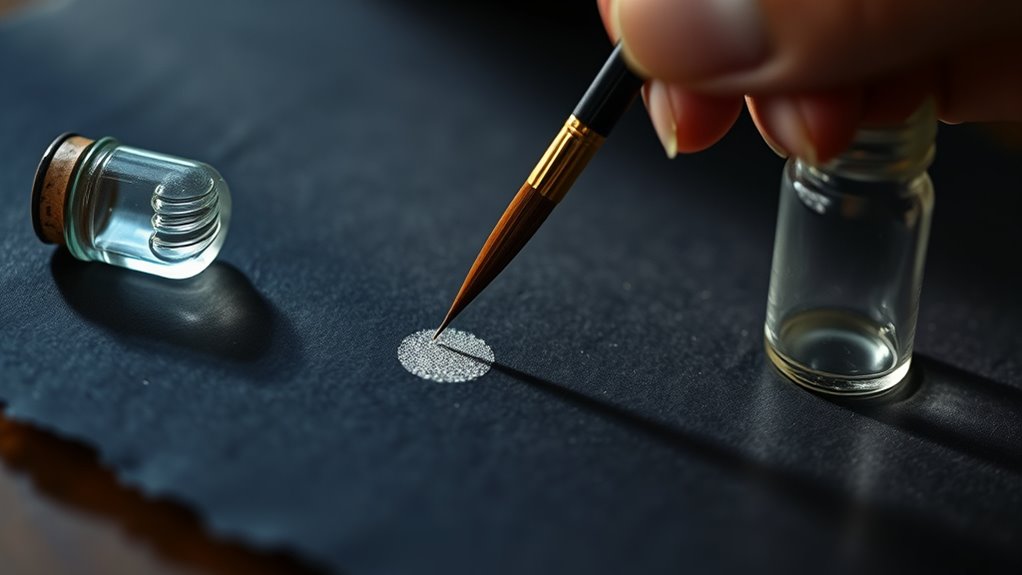
Making invisible ink can be a fun way to explore secret communication and learn about chemistry. You use invisible ink to send hidden messages that only show up under certain conditions, like heat or UV light.
Its main benefit is security—you can share confidential info without it being immediately noticed. Throughout history, invisible ink has been used for espionage and covert messaging, making it a powerful tool for secrecy.
Beyond security, making invisible ink is a great educational activity that teaches you about chemical reactions, acids, and bases. It’s also fun for pranks, projects, or exploring scientific principles behind light and chemicals.
Easy DIY Invisible Ink Recipes You Can Try at Home
Looking for simple ways to create invisible ink at home? You can make easy DIY invisible ink with common household ingredients.
Discover easy homemade invisible inks using common kitchen ingredients like lemon juice, baking soda, and turmeric.
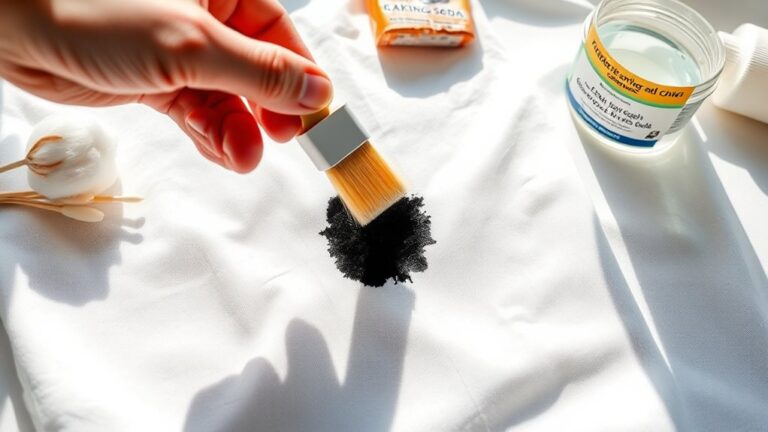
For example, mix equal parts baking soda and water. Use a paintbrush or cotton swab to write your message on paper. Once it dries, reveal the ink with grape juice or an acidic stain. This causes a chemical reaction that makes the message visible.
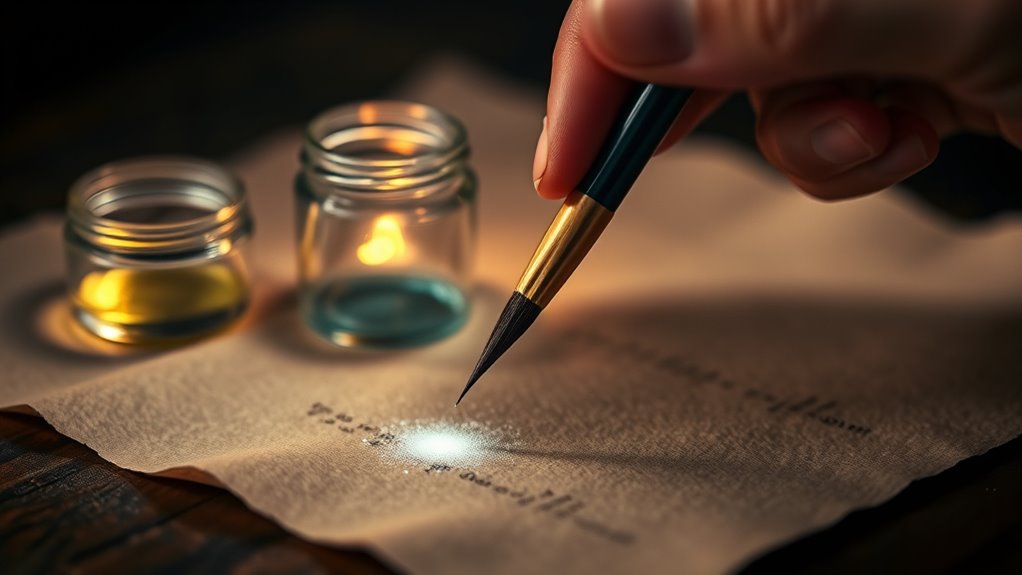
Another option is lemon juice, applied with a brush and revealed by heat. Just hold the paper near a light bulb or iron to see the message appear. You can also extract ink from a highlighter’s tube by boiling it in water. This creates UV-reactive invisible ink that glows under black light.
Mixing lemon juice, baking soda, or turmeric gives you various invisible ink recipes to experiment with at home.
How to Write and Store Invisible Messages Safely
To make sure your invisible messages stay secure and work well, it’s important to write and store the ink properly. Use a tightly sealed, water-proof container to stop evaporation and contamination.
Keep the container away from direct sunlight and extreme temperatures to preserve its effectiveness over time. Label it clearly so you don’t accidentally confuse it with regular ink or liquids.
When you’re not using it, store the invisible ink in a cool, dark place like a drawer or cabinet. This helps keep its chemical stability intact. Handle the ink carefully, especially if it contains chemicals like rubbing alcohol or turmeric, to stay safe.
Proper storage protects your invisible messages and makes sure the ink remains effective for future use.
Methods to Reveal Invisible Ink : Which Works Best?
When it comes to revealing invisible ink, some methods are more reliable than others. The most effective approach involves using revealing agents that trigger clear chemical reactions.
For example, a baking soda and turmeric mixture reliably shows bright red messages, making it highly dependable. Grape juice or dark stains also work as simple revealing agents, uncovering messages with a distinct chemical reaction.
UV or black light techniques work well for highlighter or fluorescent inks, though not all inks respond to UV light. Lemon juice as an acidic revealing agent often produces inconsistent results unless heated extensively.
Heat-based methods can be unreliable, especially with household heat, which may not always reveal messages clearly. Choosing the right revealing agent depends on the type of invisible ink used.
Tips to Make Your Invisible Messages More Secure and Creative
Enhancing the security and creativity of your invisible messages involves using complex chemical reactions and personalized ingredients that are hard for others to copy. Combining multiple reagents creates a more intricate invisible ink that’s tougher to detect or imitate.
You can incorporate unique or household items, like special dyes or spices, to develop proprietary formulas. Writing with layered invisible ink and revealing messages only when applying different reagents adds an extra layer of security with multi-step decoding.
Store your invisible ink in airtight, opaque containers to prevent deterioration and accidental exposure. Get creative by varying pressure or using different applicators to make your messages visually appealing and more difficult to decipher.
The Science Behind Invisible Ink and Its Real-World Uses
Invisible ink works through chemical reactions that reveal messages only under certain conditions. Heat-sensitive inks, like lemon juice, change color when heated.
Acid-base reactions produce visible shifts with substances like baking soda and grape juice. Today, these reactions are used in security, anti-counterfeiting, and forensic work to keep information safe.
Chemical Reactions Involved
The science behind invisible ink depends on chemical reactions that change how substances look, making messages visible only when needed. These reactions alter the ink’s properties, like color or fluorescence, when exposed to heat or specific reagents.
For example, acidic invisible inks like lemon juice undergo carbonization when heated, turning brown or dark as organic compounds break down. Baking soda reacts with acidic solutions like grape juice or turmeric, producing visible color changes that reveal hidden messages.
Modern invisible inks use complex chemical compounds such as metal ion complexes or fluorescent dyes. These respond distinctly under UV light or with specific reagents. These reactions are important in espionage, security printing, and forensic investigations, helping encode and decode information covertly.
Practical Applications Today
Have you ever wondered how secret messages and secure documents stay protected today? Invisible ink plays a big role in this.
It’s used in modern security features on banknotes, passports, and official documents to prevent counterfeiting. UV-reactive inks, which are invisible under normal light but glow under black light, help verify authenticity and enable covert communication.
These inks are also found in anti-theft tags and product labels, making it easier to identify genuine items and deter theft. Forensic investigators rely on invisible ink techniques to mark evidence or communicate securely during investigations.
The science behind invisible ink continues to influence advanced encryption methods and secure communication technologies, helping keep our everyday lives safe and authentic.
Frequently Asked Questions
Can I Make My Own Invisible Ink?
Yes, you can make your own invisible ink using household ingredients. For example, squeeze lemon juice onto paper and let it dry.
When you want to reveal the message, heat the paper with an iron or light source. You can also mix baking soda with water for a different invisible ink that appears with vinegar or grape juice.
These simple methods make secret messaging fun and easy!
What Can I Use Instead of Invisible Ink?
Instead of traditional invisible ink, you can use everyday household items like milk, honey, or vanilla extract. These natural substances become visible when heated or treated with specific chemicals, making them fun and easy alternatives.
If you prefer a safer option, UV-reactive pens or black lights reveal messages effortlessly. Just remember, these methods add an element of surprise and creativity, perfect for secret notes or fun activities without any special equipment.
What Can Be Used as Invisible Ink?
You can use lemon juice, orange juice, or vinegar as invisible ink because they’re natural and reveal messages when heated. Baking soda mixed with water also works, especially if you reveal it with grape juice or turmeric.
Rubbing alcohol combined with turmeric shows a bright red. Furthermore, highlighters or special fluorescent inks under UV or black lights make invisible messages visible.
These options are simple and fun for secret messaging.
What Is the Main Ingredient in Invisible Ink?
The main ingredient in homemade invisible ink is lemon juice, which contains citric acid. When you heat lemon juice, it darkens and reveals your hidden message.
You might not realize it, but just a few drops can create a secret note. Using lemon juice is simple, safe, and effective, making it a popular choice for invisible ink.
Conclusion
Now that you’ve uncovered the secrets of invisible ink, you hold a magic wand in your hands—ready to craft secret messages that dance in the shadows.
With a splash of science and a dash of creativity, you can turn simple ingredients into your own cloak of secrecy.
Whether for fun or security, your invisible messages are like whispers from a hidden world, waiting to be revealed.
So go ahead, let your imagination paint the unseen with your own invisible ink.