How Long Will Dried Ink in the Dryer Get on Clothes?
Dealing with ink stains on clothes can be really frustrating, especially if they keep coming back. If you’ve ever noticed dried ink transferring onto your laundry from your dryer, you’re not alone. Many people struggle with this problem and wonder how long dried ink in the dryer will get on clothes.
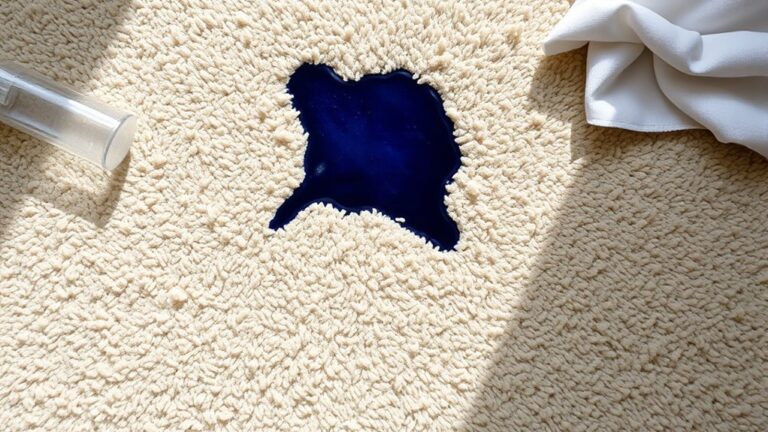
Dried ink inside your dryer can transfer onto your clothes over time, especially if it hasn’t been cleaned properly. The longer the ink sits, the more it can embed into fabrics, making stain removal tougher. Several factors, like the type of ink and heat exposure, influence how quickly it sets or transfers.
To prevent ongoing issues, it’s best to clean the dryer regularly and address stains promptly. If you want to find out how to stop ink transfer for good, there’s more to investigate.
Key Takeaways
- Dried ink in the dryer can transfer onto clothes during subsequent loads if you don’t clean it out quickly.
- The longer the ink stays in the dryer, the more it can sink into the fabric fibers, making it harder to get rid of.
- Residual ink can stick around for weeks if you don’t thoroughly clean the dryer drum.
- Doing a proper pre-treatment and inspecting your clothes before drying can help reduce the chance of ink transferring onto your laundry.
- Regularly cleaning the dryer drum is a good idea to prevent ink stains from building up over time.
How Soon Does Dried Ink Transfer to Clothes During Laundry?
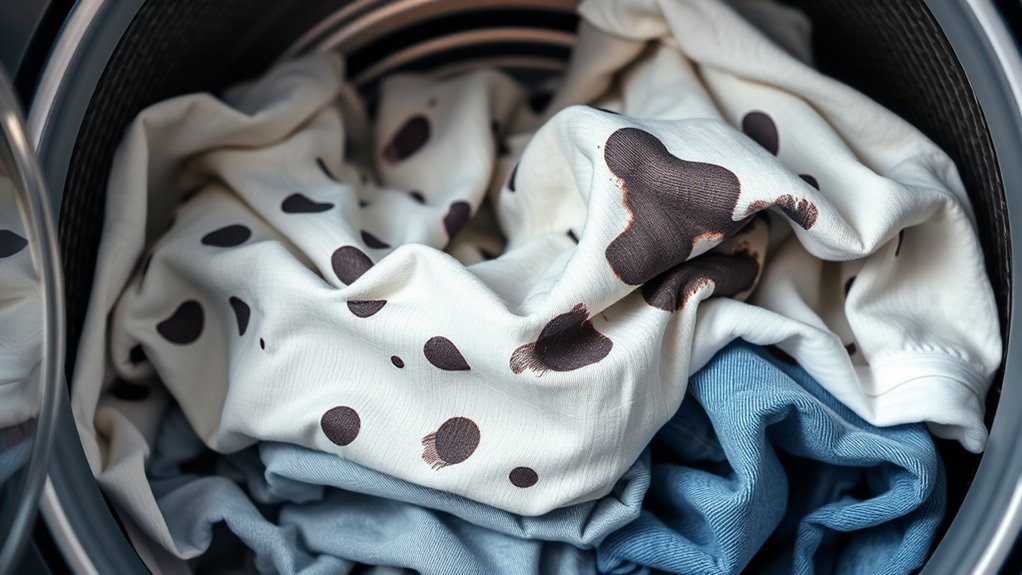
Dried ink inside the dryer usually doesn’t transfer to clothes during laundry if you’ve cleaned the interior properly beforehand.
When ink has dried and set for several days, it’s less likely to transfer compared to freshly dried ink. The risk goes up if the ink is still moist or only partly dried when you do laundry.
Small ink particles or stains can also transfer if the dryer drum isn’t thoroughly cleaned after ink spills. Regular cleaning of the interior helps reduce the chances of dried ink transferring onto your clothes during cycles.
Cleaning the dryer drum regularly minimizes dried ink transfer during laundry cycles.
If the ink is fully dried and the dryer is clean, you’re unlikely to see any transfer. So, timing your laundry correctly and keeping the dryer well-maintained are key to preventing ink from getting onto your clothes.
What Factors Influence How Long Ink Stays on Clothes?
The type of ink and the fabric material you’re working with really influence how long stains last. For example, permanent markers tend to stay longer, especially on fabrics that soak up liquids easily.
Temperature and drying time also play a role. Heat can set the ink deeper into the fibers, making it tougher to get rid of the stain later on.
Ink Type and Composition
The chemical makeup of ink really affects how long it stays on your clothes. Oil-based inks tend to last longer than water-based ones because they dry more slowly and embed deeper into fabric fibers.
If the ink has fully dried and set, it’s less likely to fade or transfer over time. The type of ink also plays a role in how stubborn the stain is; for example, permanent inks are made to resist washing out.
Fresh or semi-dried stains are easier to remove, but once they dry—especially if heat is used during washing or drying—the ink can become more ingrained. Residues from previous cleaning attempts can either loosen these stains or make them harder to get out, affecting how long the ink stays visible on your clothes.
Fabric and Material Type
Fabric type plays an essential role in how long ink stains stick around and how difficult they are to remove. Porous fabrics like cotton absorb ink deeper than synthetic fibers, making stains more persistent. The material’s chemical makeup also affects ink adhesion; water-based inks may wash out easier than alcohol-based ones.
Older stains tend to set more firmly into the fabric, which makes them harder to remove. Exposure to heat during washing or drying can further set the ink and prolong its presence. Here’s a quick comparison:
| Fabric Type | Ink Retention & Removal Difficulty |
|---|---|
| Cotton | Deep absorption, harder to remove |
| Synthetic | Less absorption, easier to clean |
| Linen | Similar to cotton, more porous |
| Polyester | Less porous, easier to treat |
Your choice of fabric really impacts how long the ink stays and how tough it is to get rid of.
How Can You Tell If Ink Has Transferred to Your Clothes?
Wondering if ink has transferred onto your clothes? The first thing to do is look for ink stains or discoloration, especially on lighter fabrics.
Pay attention to areas that touched the dryer drum or inside seams, where ink might hide. You might also notice unexpected marks or spots after drying.
Sometimes, a faint chemical smell can mean ink residues are present. To be sure, try a quick spot test on a hidden part of the fabric.
If it reacts, you’ll need to remove the ink before washing again. The key is to check early so you can take action quickly.
Keep an eye out for visible stains and subtle signs that ink has transferred onto your clothes.
How Long Should You Wait Before Reusing Your Dryer After Ink Stains?
You should wait until the dryer drum is completely dry and free of cleaning residue before reuse.
Running an empty cycle for 30 to 60 minutes helps ensure there’s no residual ink or chemicals left inside.
Only then can you confidently resume drying laundry without risking ink transfer.
Residual Ink Risks
How long should you wait before reusing your dryer after ink stains? It depends on how thoroughly you clean it to remove residual ink.
If you don’t fully eliminate ink particles, they can transfer onto your clothes over multiple laundry cycles, especially with oily or permanent inks. To prevent staining, make sure all visible ink residue is gone before reusing the dryer.
Remember, residual ink can embed in the dryer surface and linger for weeks if not properly cleaned. This increases the risk of staining your clothes. The key is to do a thorough cleaning to eliminate these particles completely.
Regularly inspect and clean the dryer drum for ink residue. Use effective cleaning agents to remove stubborn ink stains.
Avoid reusing the dryer until you’re certain it’s completely clean.
Complete Drum Dryness
After thoroughly cleaning the dryer drum, it’s important to let it dry completely before using it again. This helps prevent ink or cleaning residues from transferring onto your clothes.
Run an empty cycle with towels, which usually takes 30 to 60 minutes, to evaporate any leftover moisture and fumes. Waiting at least 1 to 2 hours after cleaning allows any remaining ink residues to dry fully.
For extra peace of mind, some experts suggest running a second empty cycle or unplugging the dryer for several hours. Ensuring the drum is completely dry reduces the risk of stains or damage to your future laundry.
Patience now can save you from cleanup hassles and color transfer problems later.
Do Different Types of Ink Transfer or Set in at Different Rates?
Different types of ink vary quite a bit in how quickly they transfer or set on fabric. Some inks, like ballpoint ink, transfer right away but can set quickly if exposed to heat, making them harder to remove over time.
Gel pen ink might resist transfer at first but can still transfer if it hasn’t fully dried or set in. Permanent marker ink takes days or even weeks to fully set, which means there’s more chance of transfer during laundry.
The speed at which ink sets depends on factors like ink composition, drying time, and heat from the dryer. Ink transfer can happen immediately or take days, depending on the type.
Similarly, ink set rates are influenced by conditions, and some inks like permanent markers may stay semi-permeable for weeks.
How Effective Are Cleaning Methods at Removing Old Ink Stains?
Cleaning old ink stains from your dryer can be tough, especially as the stains get older and settle deeper into the fabric.
Household solutions like rubbing alcohol or stain removers usually work better on fresh stains and may not be as effective on older ones.
You might need to try multiple treatments or consider getting professional help if the ink has been there for a while.
Effectiveness of Household Solutions
Household solutions like rubbing alcohol and dish soap can work well for removing fresh ink stains from clothes and dryer surfaces, but their effectiveness drops quickly once the ink has dried and set. Dried ink bonds more strongly with fabric fibers and dryer surfaces, making it tougher to remove with household cleaners.
Multiple treatments might be needed to see real progress on stubborn stains. Keep in mind, the type of ink matters—a ballpoint ink stain is usually easier to remove than gel ink once it’s dried.
Use a household cleaner directly on the stain for better results. Apply rubbing alcohol or dish soap promptly when the stain is fresh for the best chance of removal.
Expect diminishing returns on older, set-in ink stains.
Stain Age and Removal
As ink stains age, they become much harder to remove from fabrics. The longer stains sit on your clothes, the more the ink soaks into the fibers, making complete removal tougher.
If you’re dealing with old ink stains, household stain removers might not cut it. You may need stronger solutions like rubbing alcohol or commercial stain treatments. Acting quickly, within a few hours of getting ink on your clothes, gives the best chance of removing the stain.
For stains that have set for days, you’ll probably need to repeat cleaning cycles or try specialized methods. Dried ink in the dryer’s drum can transfer onto clothes over time, so it’s important to thoroughly clean the dryer as well. Removing ink from your clothes depends on how old the stain is, the type of ink, and how much effort you’re willing to put in.
Can Repeated Washings Remove Persistent Ink Stains?
Repeated washings can often fade and eventually remove persistent ink stains, but success depends on several factors. The effectiveness of repeated washings depends on the type of ink, fabric, and whether you’ve pre-treated the stain.
Over time, successive washes help break down ink molecules, reducing the stain’s visibility. However, some stubborn ink stains may leave faint traces, especially on delicate fabrics or with certain ink types.
To boost your chances, use strong stain removers or rubbing alcohol before washing. Wash stained clothes multiple times for better results and consider pre-treatment for dried or set-in stains.
While repeated washings can significantly diminish ink stains, complete removal isn’t always guaranteed, especially without proper treatment. Patience and the right approach are key to tackling persistent ink stains effectively.
What Are the Best Ways to Prevent Ink Transfer in the Future?
To prevent ink transfer in the future, taking proactive steps can make a big difference. Always check clothes for ink stains before putting them in the dryer to avoid setting the stain.
Using protective barriers like plastic bags or laundry shields can contain ink and stop it from spreading to other garments. Promptly treating ink stains before drying helps reduce the chance of ink setting and transferring during the drying cycle.
Regularly cleaning the dryer drum removes residual ink, lowering the risk of transfer to future loads. Additionally, avoid overloading the dryer, as clothes rubbing against ink-stained areas can increase transfer chances.
When Should You Seek Professional Help for Ink or Dryer Cleaning?
You should consider seeking professional help for ink or dryer cleaning when stubborn stains stay after multiple home attempts. Trying to clean further might risk damaging the appliance. If you notice unusual odors, smoke, or visible damage inside the dryer drum, it’s a good idea to call in a professional.
When ink has deeply embedded into the dryer’s surfaces or paint, a specialist can safely perform thorough cleaning or repairs. Also, if cleaning causes the dryer to malfunction or the drum shows signs of corrosion, consulting a professional technician is essential.
Persistent stains after DIY cleaning attempts, visible damage or corrosion inside the dryer, or any malfunction and unusual odors during or after cleaning are signs it’s time to seek help.
Getting professional appliance service ensures proper cleaning and helps prevent further damage.
What Are Your Next Steps After Detecting Ink Transfer?
Once you notice ink transfer onto your clothes, it’s important to act quickly before it gets worse. First, stop using the dryer and check the drum for any ink residue.
Use a white towel dampened with a gentle cleaner to wipe away as much ink as you can. If the stain still shows, give us a call for professional advice or cleaning options.
Regularly cleaning your dryer drum helps prevent ongoing ink transfer, especially if there are small residues left behind. Keep in mind that ink transfer can continue over multiple loads if you don’t address it.
The sooner you act, the better your chances of avoiding further stains. Remember, quick attention and proper cleaning are key to stopping repeated ink transfer in future laundry cycles.
Frequently Asked Questions
Will Dried Ink Come Out of the Dryer?
Dried ink usually won’t come out of the dryer if it’s fully cured and you’ve cleaned it properly.
But if the ink was still fresh or not thoroughly cleaned, some may transfer onto clothes and cause stains. To prevent this, clean the dryer’s interior regularly with non-flammable cleaners, especially after ink spills.
If ink does stain your clothes, try treating the stains with appropriate stain removers promptly.
Does Dawn Soap Remove Ink?
Dawn soap does remove ink, but it’s not a magic bullet. You’ll need to act quickly for the best results, especially with fresh stains.
Apply Dawn to wet ink, scrub gently, and rinse. For dried ink, it might not be enough alone—you may need rubbing alcohol or other solvents.
Keep at it; persistence pays off. Sometimes, you’ve got to fight fire with fire to see results.
What Dissolves Dry Ink?
To dissolve dry ink, you can use solvents like rubbing alcohol, acetone, or specialized stain removers.
Apply the solvent directly on the ink stain and let it sit for a few minutes to break down the ink’s bonds.
Gently blot or scrape off the softened ink, then wash the fabric.
You might need to repeat this process for stubborn stains, especially on older or more ingrained ink marks.
Are Ink Stains Permanent on Clothes?
Are ink stains permanent on clothes? Usually, yes, especially if you don’t act quickly. Dried ink can sink deep into the fabric fibers, making it really hard to get out.
Heat from the dryer can even set some ink stains permanently. So, if you spot ink on your clothes, try to treat the stain right away before washing or drying.
Once it’s dried and heat has set it, removing ink stains becomes much tougher. In many cases, they might end up being permanent.
Conclusion
Think of your dryer like a sponge soaking up ink. Once ink’s dried and transferred, it’s tough to undo.
Just like trying to erase a permanent marker, waiting too long or ignoring stains only makes things worse.
Regular checks and prompt action help prevent permanent damage. This way, you can keep your laundry fresh.
Remember, catching ink early is like catching a leak. Address it quickly, and your clothes and dryer stay in top shape.
When it comes to dried ink in the dryer, acting fast is key. The longer it sits, the more difficult it is to remove from clothes.