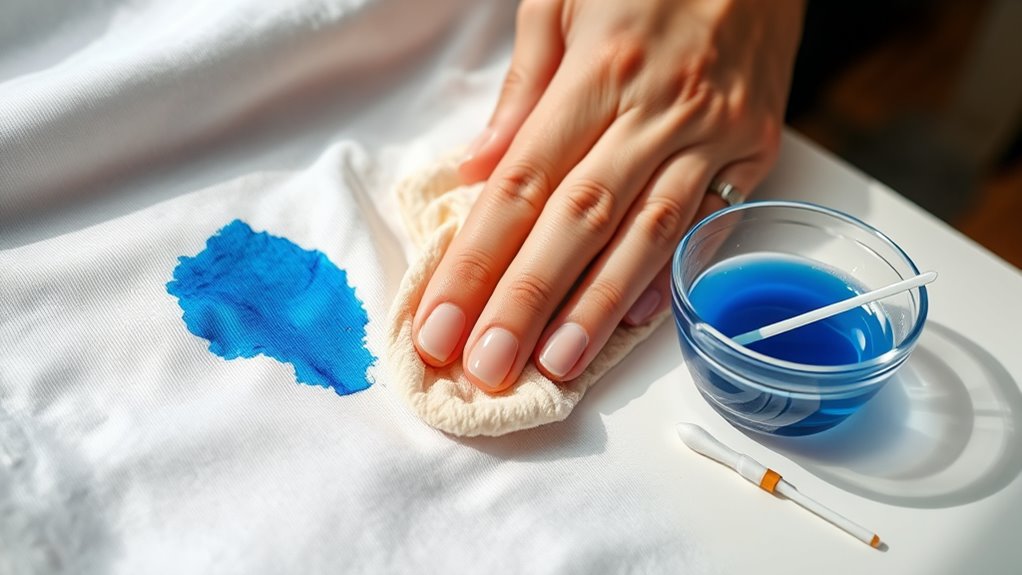
Effective Ways to Remove Ink From Clothes After Drying
Dealing with ink stains on clothes after they’ve dried can be incredibly frustrating. Many people struggle with removing stubborn ink marks, especially once they’ve set into the fabric. If you’re tired of seeing those pesky stains every time you do laundry, you’re not alone.
Luckily, there are effective ways to tackle dried ink and restore your clothes.
To remove dried ink from clothes, start by applying rubbing alcohol or hand sanitizer directly onto the stain and let it sit for a few minutes.
Gently blot or scrub with a mixture of vinegar and lemon juice, then rinse with cold water.
For stubborn stains, commercial ink removers or solvent-based products like methylated spirits can help.
If the stain persists, consider additional tips and safe methods inline to increase your chances of success.
Key Takeaways
- Act quickly with alcohol-based solutions like rubbing alcohol or hand sanitizer before stains set further.
- Gently pre-treat dried ink with vinegar, lemon juice, or a natural paste of lemon juice and salt.
These options can help lift the ink without damaging your fabric.
Use commercial ink stain removers or solvent-based products for stubborn, dried stains.
Just make sure to test these on a hidden part of the fabric first to prevent any damage or discoloration.
If the stain still won’t budge or if your fabric is delicate, it’s best to seek professional cleaning.
Why Dried Ink Stains Are Harder to Remove
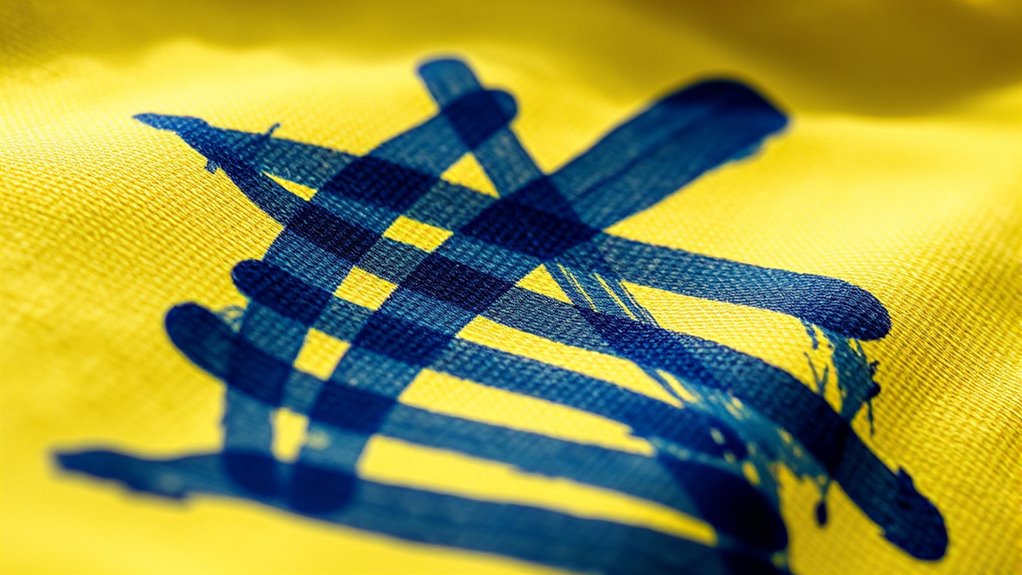
Dried ink stains are tougher to remove because they penetrate deeper into fabric fibers, making them more resistant to cleaning. As the ink dries, it binds more tightly to the fibers, which complicates removal efforts.
The longer the stain sits, the more it oxidizes and bonds, reducing the effectiveness of gentle cleaning methods. Heat from the dryer can set ink stains permanently, making them even harder to lift later.
Once dried, ink becomes less responsive to simple treatments, often requiring stronger solvents or extended efforts. You need to understand that dried ink stains aren’t just surface marks—they’ve become embedded within the fabric fibers, which is why they’re so difficult to remove without specialized techniques or patience.
Quick Household Remedies to Lift Ink Stains
When dealing with ink stains that have already dried, quick household remedies can often make a noticeable difference in lifting the color from your fabric. Applying alcohol, like rubbing alcohol or hand sanitizer, directly onto the dried ink helps break down the stain, making removal easier.
Pre-treat the stain with alcohol-based products before washing. This step can really improve your chances of success. You can also try household items like vinegar, salt, or lemon juice mixed with gentle scrubbing to loosen the stain.
Keep in mind that stubborn, set-in ink stains may require repeated treatments and washing. Acting quickly and using alcohol-based pre-treatments can greatly boost the effectiveness of household remedies in removing dried ink.
How to Safely Use Rubbing Alcohol and Commercial Solvents
Using rubbing alcohol and commercial solvents can be effective for removing ink stains, but handling them safely is essential.
When using rubbing alcohol, apply it directly to the stain with a cotton ball or cloth. Always test on a hidden fabric area first to prevent discoloration.
Let the alcohol sit for 5-10 minutes before blotting and rinsing. Repeat as needed for stubborn stains.
For commercial solvents, follow the manufacturer’s instructions carefully and use them with caution to avoid damage.
Always work in a well-ventilated area and wear gloves if necessary. After treatment, rinse the fabric thoroughly with cold water to remove residual chemicals.
Launder promptly to ensure all ink residues and chemicals are fully removed, making the stain removal safe and effective.
Applying Vinegar and Lemon Juice to Remove Ink
Mixing vinegar and lemon juice creates a natural solution that can break down water-based ink stains on fabrics like cotton.
When you apply this mixture, the acids dissolve the ink pigments, making them easier to remove.
Rinsing with cold water and sun-drying afterward helps fade the stain and naturally brightens the fabric.
Natural Ink Breakdown
Applying a paste of lemon juice and salt directly onto an ink stain can effectively break down water-based inks on your clothes. The citric acid in lemon juice acts as a natural bleaching agent, helping to lighten or remove ink stains, especially on white or light-colored fabrics. Gently rub the mixture into the stain to boost its effectiveness before rinsing.
The acidity works by breaking down the ink’s pigments, making them easier to lift from the fabric. This natural method is best suited for washable, light-colored textiles and works well on fresh or slightly set-in stains. Keep in mind that stubborn or older ink stains may need extra treatment, but this approach offers a simple, chemical-free way to tackle ink stains using natural ingredients.
Brightening With Sunlight
When you combine a vinegar and lemon juice solution with sunlight, you create a powerful natural bleaching process that can lighten ink stains on your clothes. The sunlight activates the citric acid in lemon juice and the acetic acid in vinegar, boosting their brightening effects.
Applying this mixture to the stained area helps break down the ink pigments, making the stain less visible. To get the best results, soak or dab the stain with the solution, then lay the garment in direct sunlight for several hours.
The UV rays work with the acids to enhance natural bleaching, effectively lightening the ink stain without harsh chemicals. This method offers an eco-friendly way to brighten and remove ink marks from washable fabrics.
Using Special Products for Stubborn Ink Stains
For stubborn ink stains that have dried on your clothes, specialized stain removal products can be very effective. An ink stain remover designed specifically for ink can penetrate the dried ink and break it down more easily than household remedies.
A commercial stain pen lets you target the stain precisely without spreading it further. Solvent-based products, like those with methylated spirits, are especially good at dissolving dried ink.
Always follow the manufacturer’s instructions carefully to avoid damaging delicate fabrics or causing discoloration. For the best results, use gentle blotting and repeat treatments to gradually lift the ink stain from the fabric.
Using the right specialized products really boosts your chances of successfully removing the stain after it has dried.
Tips to Prevent Ink Stains From Setting in Further
To prevent ink stains from setting in further, acting quickly is key. The sooner you treat the stain, the less likely it is to become permanent.
Act quickly to treat ink stains and prevent them from becoming permanent.
Avoid using heat, like hot water or a dryer, since heat can cause ink stains to set deeper into the fabric.
Instead, gently blot or scrape off excess ink without rubbing, which can spread the stain.
Pre-treatment is essential; apply alcohol-based products such as rubbing alcohol or hand sanitizer to loosen the ink before washing.
Always air dry the garment after treatment, as heat from a dryer can set any remaining stain.
When to Seek Professional Help for Tough Ink Stains
Sometimes, despite your best efforts, ink stains stubbornly resist home removal methods and require professional expertise. You should consider professional cleaning if:
- The stain has set in for several days or longer, making home treatments less effective.
- The stain remains persistent after multiple DIY attempts, indicating the need for specialized solvents and expertise.
- The fabric is delicate, such as silk, wool, or suede, which can be damaged by DIY methods.
- The stain has penetrated deep or become embedded after heat exposure, risking further damage if handled improperly.
In these cases, seeking professional help can prevent fabric deterioration and ensure safe removal. Professional cleaning offers the right tools for tough, persistent stains on delicate fabrics, saving your garment.
Frequently Asked Questions
Is It Possible to Remove Pen Ink From Clothes After Drying?
Yes, you can remove pen ink from clothes after drying, but it requires patience and the right method.
Start by testing rubbing alcohol or hand sanitizer on a hidden area of the fabric. Then gently blot the stain, being careful not to spread it.
Repeat this process if needed, and wash the garment afterward to remove any residue.
Commercial ink removers can also be effective. Just keep in mind that multiple treatments might be necessary.
Acting quickly increases your chances of successfully removing the stain.
Does Dawn Soap Remove Ink?
Yes, Dawn soap can help remove ink from clothes, especially water-based or washable ink stains. You should apply a small amount directly to the stain, gently scrub, and let it sit for several minutes.
Then, rinse and wash the garment. While Dawn is effective for fresh stains, it might be less successful on dried or permanent ink.
For stubborn stains, consider combining it with other stain removal methods.
How to Remove Ink Stains From Clothes After a Long Time?
When ink stains have long set, don’t lose hope. Think of it like a detective solving a mystery—you’ll need patience and persistence.
Start by applying rubbing alcohol or a commercial stain remover directly on the stain. Then gently scrub and soak the area.
Repeat this process a few times. You can also try natural remedies like lemon juice or vinegar to help lighten the stain.
With careful treatment, even stubborn ink stains can fade and become less noticeable over time.
Does Rubbing Alcohol Remove Ink?
Yes, rubbing alcohol can remove ink from clothes. When you apply it directly to the stain, it dissolves the ink molecules, making them easier to lift.
Be sure to test it on a small, hidden area first to prevent damage. After applying, let it sit for a few minutes, then blot or gently scrub before washing the garment thoroughly.
Repeating this process can increase your chances of completely removing the ink.
Conclusion
Removing ink from dried clothes can feel like an uphill battle, but with patience and the right methods, you can turn stubborn stains into distant memories. Think of it as a dance—you lead with gentle solutions and step back when stronger chemicals are needed.
While DIY tricks work wonders, sometimes calling in a pro is your best move. Remember, persistence beats permanence, turning a frustrating stain into just a fleeting challenge.
In the end, using the main keyword, effective ways to remove ink from clothes after drying, can make all the difference. Stay patient and keep trying—you’ll find a solution that works.