How to Effectively Erase Ink From Paper
Have you ever made a mistake with ink on your paper and felt stuck trying to fix it? You’re not alone—many people struggle with removing ink without ruining their documents or artwork. Finding effective ways to erase ink can be tricky, especially when you’re worried about damaging the paper.
To effectively erase ink from paper, start by identifying if the ink is water-based or permanent. Use gentle tools like specialized erasers or careful scraping, avoiding harsh methods that damage the paper.
For stubborn ink, try lightening it with household remedies like lemon juice or baking soda paste. Always test on small areas first.
If you want to learn more about safe techniques and prevention tips, keep exploring these helpful strategies.
Key Takeaways
- First, figure out what type of ink you’re dealing with and test a small spot before going all out. This way, you can avoid damaging the paper.
- For mechanical removal, try using a specialized eraser or gently scraping with a craft knife. Just be careful not to tear the paper.
- When it comes to solvents, options like rubbing alcohol can work. Natural remedies like lemon juice might help too, but always test first to see how your paper reacts.
- After erasing, make sure the paper dries completely. This helps prevent smudges or extra marks from forming.
- To keep mistakes to a minimum, practice careful writing and correction techniques. It makes fixing errors a lot easier later on.
How to Identify Your Ink Type for Effective Erasing
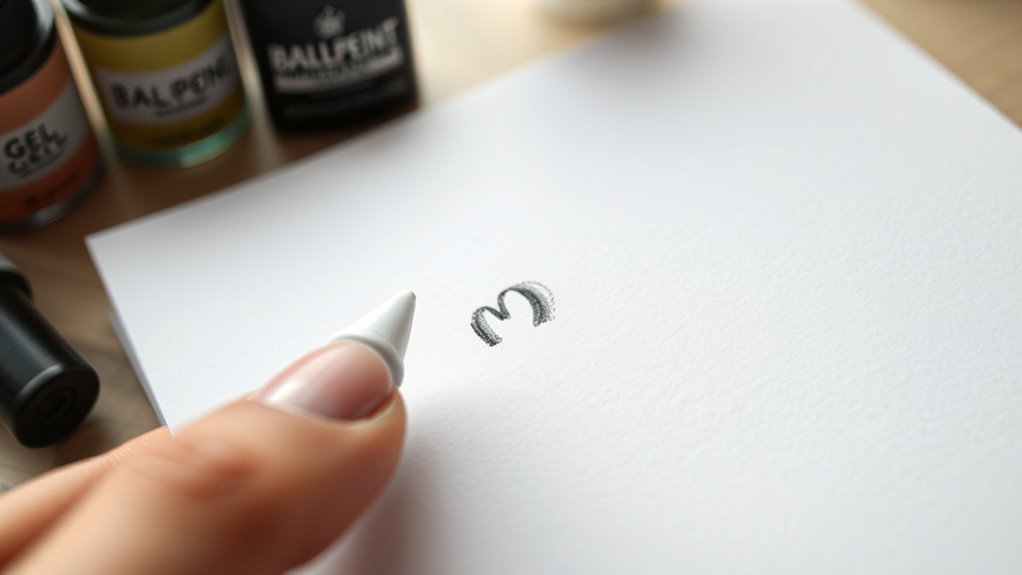
Before attempting to erase ink from paper, it’s important to identify the type you’re working with because different inks react differently to removal methods.
Start by observing the ink’s texture; erasable pens usually feel smoother, while permanent ink tends to be thicker.
Next, test water solubility by lightly dampening a corner. If it smudges or fades, it’s probably water-soluble.
Check how quickly the ink dries—quick-drying, glossy inks are generally more resistant to erasing.
Consider temperature sensitivity too. Some erasable inks change with heat or cold, which can make removal easier.
For permanent ink, try a chemical solvent to see how durable it is. If it resists, it’s likely waterproof.
Knowing these factors helps you pick the right method, ensuring you remove the ink effectively and safely without damaging your paper.
Choosing the Best Tools to Remove Ink Safely
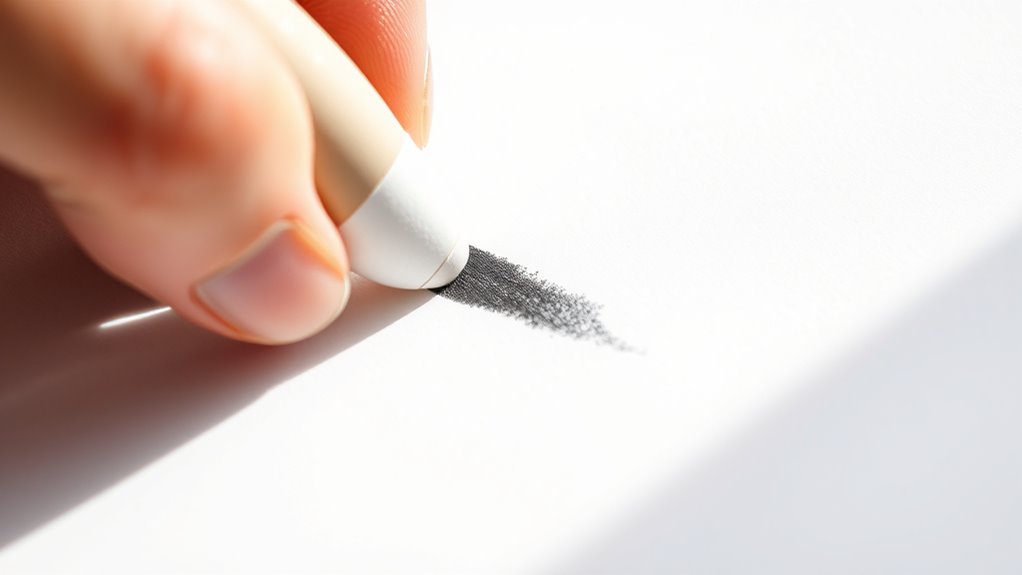
Choosing the right tools is key to removing ink safely and effectively. Use specialized ink erasers with fine grit or silica particles for gentle removal of ballpoint pen ink, which helps prevent damage to the paper surface.
Using specialized ink erasers with fine grit prevents paper damage during gentle ballpoint ink removal.
Correction tape or correction pens offer quick, mess-free coverage with minimal risk to delicate paper. Always test all tools and techniques on a small, inconspicuous area first to avoid unintentional damage or discoloration.
Select tools that are compatible with your paper type. Avoid abrasive methods on thin or fragile paper to prevent tearing or warping. If you’re using solvents like isopropyl alcohol or acetone, apply them carefully with cotton swabs.
Make sure to work in a well-ventilated area and test the solvents first. This careful approach helps you remove ink gently without harming your paper.
Chemical Methods for Erasing Ink Without Damage
Chemical methods provide a precise way to erase ink without causing damage, especially when used carefully. Rubbing alcohol and acetone are effective solvents that dissolve water-based ink, lightening it without harming most paper types. Always test these on a hidden corner first to prevent discoloration.
Lemon juice, with its mild acidity, can also lighten fresh ink, particularly on plain white paper. Baking soda mixed with water creates a gentle abrasive paste that lifts ink without harsh chemicals. Use sparingly and let the paper dry completely afterward to avoid weakening fibers.
| Method | Key Point |
|---|---|
| Rubbing Alcohol | Dissolves water-based ink, lightens it |
| Acetone | An effective solvent, test first |
| Lemon Juice | Mild acid, best on fresh water-based ink |
| Baking Soda | Gentle abrasive, lifts ink |
Mechanical Techniques for Precise Ink Removal
Mechanical techniques for precise ink removal require careful handling to avoid damaging the paper. Use a sharp craft blade or X-Acto knife to gently scrape away surface ink, applying light, controlled pressure.
This method allows for targeted correction without tearing the paper. For more delicate areas or thin pages, support the paper with a backing sheet to prevent warping or ripping.
Fine-grit sandpaper can also be effective. Gently rub in small circular motions to lift ink without damaging the surface. Remember to regularly brush away eraser crumbs or debris to maintain precision and avoid scratching.
Combining these mechanical techniques with gentle blotting or covering can improve ink removal accuracy. This results in a clean correction with minimal harm to the paper’s integrity.
Natural Household Remedies to Lighten or Remove Ink
You can try natural household remedies like lemon juice and baking soda to lighten or remove ink stains. Lemon juice’s acidity makes it effective when applied carefully with a cotton swab.
A baking soda paste acts as a gentle abrasive that can help lift the ink. Just remember to test these methods on a small area first so you don’t damage the paper.
Lemon Juice Effectiveness
Lemon juice is a popular natural remedy for lightening or removing ink stains from paper because its natural acids can break down ink pigments. When you apply lemon juice with a cotton swab, it can effectively fade fresh or light ink marks.
The acids in lemon juice help erase ink by chemically reacting with the pigments, making them less visible. But since lemon juice is acidic, it can cause discoloration or damage to delicate or thin paper, so it’s a good idea to test on an inconspicuous spot first.
To improve ink removal, use lemon juice sparingly and blot with a dry cloth promptly to prevent over-penetration or warping. Overall, lemon juice is a simple, natural remedy to lighten ink on plain paper but isn’t as effective on glossy or colored surfaces.
Baking Soda Application
Baking soda offers a natural and gentle way to lighten or remove ink stains from paper by harnessing its mild abrasive and alkaline properties. To start, mix baking soda with a small amount of water to create a paste suitable for ink removal.
Use a soft cloth or cotton swab for gentle application, applying the paste in circular motions to lift or lighten the ink. Let the paste sit on the stain for a few minutes, then softly wipe or dab with a damp cloth to remove residual residue.
Baking soda’s alkalinity helps break down ink pigments, making it effective for lightening ink on thicker or non-porous paper types. Always test first on a small, inconspicuous area to prevent damage or discoloration of the paper.
When and How to Cover Ink Mistakes Effectively
Knowing when to cover ink mistakes and how to do it properly can save your work from looking messy.
You need to choose the right correction materials and apply them smoothly at the right time.
Using proper techniques makes sure your corrections blend seamlessly and stay neat.
Choosing Suitable Covering Materials
Have you ever wondered when it’s best to cover ink mistakes with different materials? Choosing suitable covering materials depends on the size and type of error.
Correction tape offers quick, clean coverage for small mistakes—just apply smoothly for a seamless look. Correction fluid or white-out should be used in thin layers, allowing each to dry fully before writing over to prevent smudging or uneven surfaces.
Decorative stickers, washi tape, or labels can creatively conceal errors, especially if you want a decorative finish. To make the correction less noticeable, choose a color or design that matches the surrounding text.
Always test your covering materials on a small area first to ensure they are compatible with your paper and ink. This helps you avoid damage or discoloration.
Applying Covering Techniques Properly
To guarantee your corrections look neat and professional, it’s essential to apply covering materials only after the ink has dried completely. Use a flat, stable surface to ensure precise alignment of correction tape or fluid directly over the mistake.
When applying correction tape, press gently and smooth it out to avoid wrinkles. For larger errors, layer gradually by adding correction tape or fluid in thin coats. Let each layer dry thoroughly before adding the next.
When using correction fluid, shake the bottle well for a smooth flow. Apply thin, even coats to achieve neat coverage without clumping. Taking your time with each layer helps ensure a clean finish and prevents smudging.
Tips for Erasing Ink Without Leaving Traces or Damage
When erasing ink from paper, it’s important to use gentle, controlled pressure to avoid damaging the surface or leaving marks.
Start by testing your erasing method on a small, hidden area first to see if it causes any damage or discoloration.
Use a soft, high-quality eraser or a specialized ink eraser made for paper to reduce residue and traces.
Apply gentle rubbing, avoiding too much force or aggressive scraping, which can create uneven spots and make marks more noticeable.
Remember, patience is key—press lightly and only increase pressure if necessary.
After erasing, let the paper dry completely before handling to prevent smudges or extra marks.
Following these tips will help you erase ink cleanly without damaging your paper.
Preventing Ink Mistakes: Best Practices for Writing and Correction
Practicing careful writing habits can significantly reduce the need for corrections and stop ink mistakes before they happen. To do this, use high-quality paper suited for your pen type, as thinner or coated papers are more likely to cause mistakes.
Consistently practicing careful writing with quality paper reduces errors and enhances your overall writing confidence.
Choose a proper pen with controlled ink flow and a smooth tip to help minimize accidental ink blots. Keep a relaxed grip and apply consistent pressure to ensure steady writing, which helps avoid uneven lines and errors.
Practice deliberate, steady writing techniques to get better at accuracy over time. Before you start, test your ink and paper combination to spot potential issues and make adjustments.
These prevention strategies, along with proper pen use, help you write confidently and cut down on correction needs later.
Frequently Asked Questions
How Do You Remove Ink From Paper Without Damaging the Paper?
To remove ink without damaging your paper, gently dab the inked area with a cotton swab dipped in isopropyl alcohol, testing first on a small spot.
Use a soft ink eraser in light circular motions, supporting the paper with a backing sheet. Avoid over-wetting and let the paper dry fully before handling.
This careful approach minimizes damage while effectively lifting the ink.
What Destroys Ink on Paper?
You can destroy ink on paper by using harsh chemicals like bleach or strong solvents such as acetone. These substances dissolve or discolor the ink, making it unreadable.
Applying heat or cold can also fade or smudge the ink, which helps erase it. These methods can be effective but may also affect the paper.
Mechanical methods like scraping, sanding, or rubbing with abrasive tools physically damage both the ink and the paper. While they work, they can also cause harm to the paper itself.
What Is the Best Ink Remover for Paper?
You might worry about damaging your paper, but correction tapes or fluids are your best bet for ink removal. These tools cover ink effectively without harming the surface.
For stubborn ink, carefully apply rubbing alcohol with a cotton swab to dissolve it. Specialized ink erasers work well on ballpoint pen ink.
How Do Professionals Remove Ink?
Professionals remove ink by carefully applying specialized solvents like isopropyl alcohol or acetone with precision tools, making sure they target only the ink. They often use laser or laser-guided techniques for delicate documents.
They might also use gentle mechanical methods such as micro-sanding or scalpel scraping. Before starting, they test on small, hidden areas and use advanced imaging to assess ink depth, which helps minimize damage and ensures safe removal.
Conclusion
Now that you’ve got the tools and techniques, erasing ink becomes less like taming a dragon and more like a simple scroll correction. Remember to identify your ink type first, then choose the safest method to avoid turning your masterpiece into a blot.
With patience and a steady hand, like a seasoned scribe, you can fix mistakes without leaving a trace. Adopt these tips, and you’ll master ink correction, even in the age of quills and parchment.