Is Pen Ink Bad for Your Skin?
Are you someone who loves doodling or writing with pens but worries about what that ink might do to your skin? You’re not alone—many people struggle with the idea of pen ink touching their skin, especially when accidental smudges happen. While it’s common to wonder if pen ink is safe, understanding the facts can help ease your concerns.
Pen ink is usually safe for your skin in small amounts, especially if it’s non-toxic or labeled as skin-safe. However, some inks, especially permanent markers with solvents like xylene or toluene, can cause irritation or allergic reactions if you contact them repeatedly or for long periods.
While drawing on your skin won’t cause cancer, it’s important to avoid broken or irritated skin and wash off ink promptly. To learn more about safe practices and how to reduce risks, keep exploring.
Key Takeaways
- Most non-toxic inks are safe for brief skin contact, but they can cause irritation or allergies if you’re exposed for a long time.
- Permanent marker inks often contain irritants like xylene or toluene, which might harm sensitive skin.
- Cosmetic or body art inks are made to be skin-safe and hypoallergenic, so they’re usually better for your skin.
- Washing ink off quickly can help reduce the risk of irritation or allergic reactions.
- Using ink on intact skin generally isn’t a risk for skin cancer, but repeated exposure might lead to sensitivities.
What Are the Common Types of Ink Used in Pens?
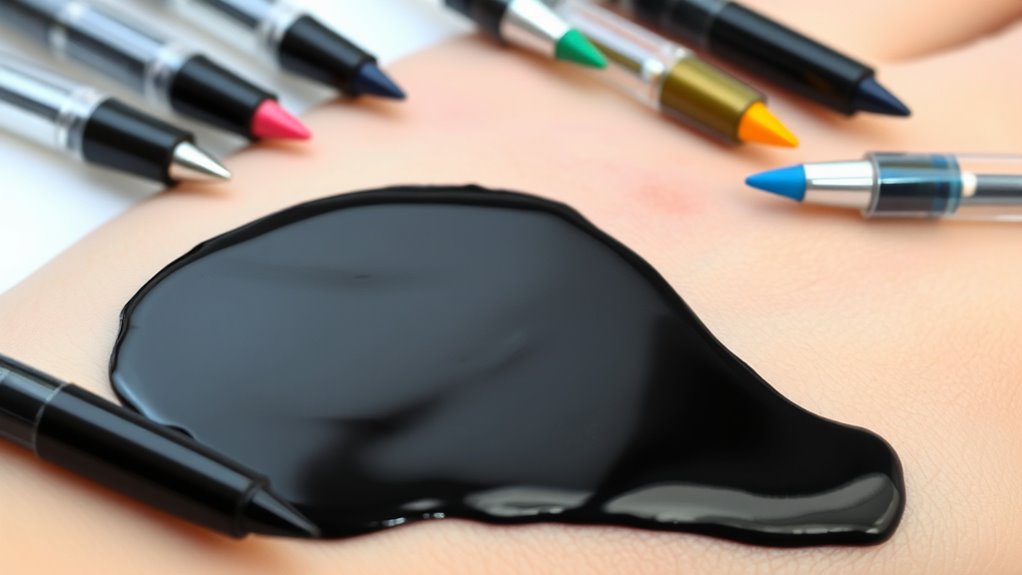
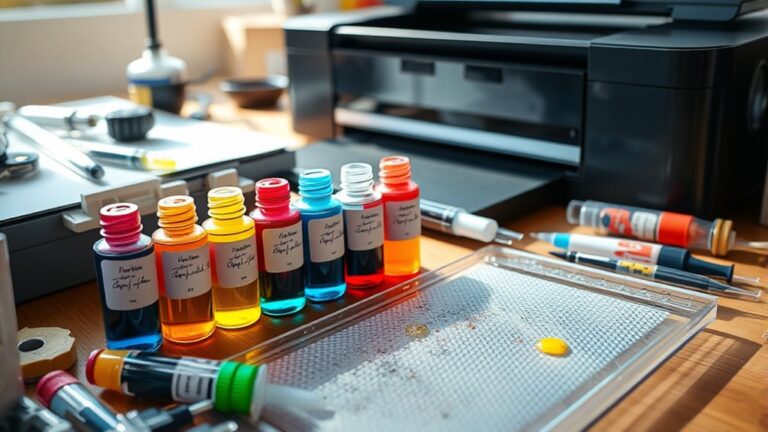
Different types of pen ink serve various purposes, and understanding them can help you determine their safety for your skin. Common inks include water-based inks in felt-tip markers, which are generally less harsh and made from dyes or pigments suspended in water.
Understanding pen ink types helps assess their safety for skin contact and proper usage.
Permanent markers use solvent-based inks, often containing solvents like xylene or toluene, to create long-lasting, smudge-proof marks. Ballpoint pens typically rely on oil-based dyes, providing smooth writing with minimal risk.
Calligraphy and art markers may contain alcohols, glycerin, and vibrant pigments for vivid color and flow. The composition of ink, whether dyes or pigments, affects its safety and how it interacts with your skin.
Recognizing these differences helps you make informed choices about the inks you use.
Are Pen Inks Safe to Contact Skin?
Most non-toxic pen inks are safe for brief skin contact and usually only cause surface staining or mild irritation.
However, some people may develop allergic reactions or skin sensitivities, especially with prolonged exposure.
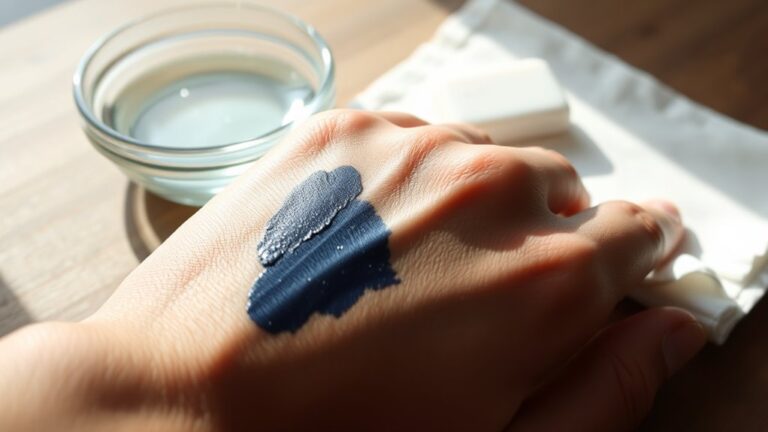
Cleaning with soap and water typically prevents any significant issues.
Skin Compatibility Concerns
Are pen inks safe to touch your skin? Most pen inks, including those in permanent markers, are made to be non-toxic and skin-safe. Still, direct contact can sometimes cause skin irritation or allergic reactions, especially if you have sensitive skin.
In general, your skin’s outer layer resists absorption, so brief contact usually isn’t a big deal. But if you draw on broken or irritated skin, chemicals can be absorbed more easily, which might lead to irritation or infection.
Products labeled as skin-safe or cosmetic-grade are tested for skin compatibility and are less likely to cause problems. Washing with soap and water quickly removes most ink, reducing irritation risks and keeping your skin healthy.
Potential Allergic Reactions
While many pen inks are designed to be safe for skin contact, some inks—especially those in permanent markers containing chemicals like xylene or toluene—can cause allergic reactions or skin irritation in sensitive people.
If you have sensitive skin or allergies, you might notice redness, itching, swelling, or rashes after touching certain inks. To reduce the risk, do a patch test by applying a small amount of ink on an inconspicuous skin spot before longer use.
Be careful with chemical exposure from permanent markers or heavy inks, as longer contact increases the chance of skin sensitivities. Using non-toxic inks and limiting your exposure can help protect your skin from unwanted reactions.
Stay aware of your body’s signals and listen if you feel any irritation. That way, you can prevent skin problems before they become more serious.
Can Drawing With Ink on Skin Cause Skin Cancer?
Drawing with ink on your skin doesn’t directly cause skin cancer, and current scientific evidence doesn’t support a link between the two. Pen ink contains dyes and pigments unlikely to penetrate deep enough to cause cancer.
The main health risk from drawing on skin is skin irritation or allergic reactions, not cancer. Some inks have solvents that may cause sensitivity or damage if used repeatedly, but there’s no proven link to increased skin cancer risk.
What Are Ink Ingredients and Are They Safe for Skin?
Pen inks usually contain a mix of solvents, resins, and pigments or dyes that give them color and consistency. The ingredients can vary depending on the type of ink.
For example, ballpoint pen inks are made to be non-toxic and safe for incidental skin contact. But some inks, like those in permanent markers, include solvents such as xylene and toluene, which can cause irritation if you’re exposed to them repeatedly or in large amounts.
Cosmetic or body art inks are specially formulated for skin safety and are often tested for hypoallergenic properties. Common ingredients include solvents like glycol ethers, which may irritate the skin.
Resins help the ink stick well, while pigments and dyes provide vibrant color. Non-toxic formulas are generally safer for skin contact, but it’s still wise to be cautious with chemicals like xylene.
How Do You Recognize Ink-Related Skin Reactions?
Recognizing ink-related skin reactions means paying close attention to how your skin responds after contact. Common signs include redness, itching, swelling, or rashes at the spot where the ink touched you.
Allergic reactions might cause hives or dermatitis, especially if you have sensitive skin or previous sensitivities. These symptoms usually show up soon after exposure and often get better with washing or removing the ink.
If your reactions persist or get worse, it could be a chemical allergy or skin irritation. In that case, it’s a good idea to see a doctor. To check for sensitivities before more extensive contact, try patch testing with small amounts of ink.
Being aware of these signs helps you tell if it’s just irritation or an allergy. This way, you can respond quickly to any adverse skin reactions.
Are Permanent Markers and Tattoo Inks Safe for Skin?
Permanent markers often contain solvents like xylene and toluene, which can irritate your skin and should be avoided.
Tattoo inks may have heavy metals and harmful chemicals, raising concerns about long-term health effects.
Choosing non-toxic, regulated inks for body art can help reduce these risks and keep your skin safer.
Chemical Composition Concerns
Because many tattoo inks and permanent markers contain potentially harmful chemicals, their safety for skin use is a concern. The chemical composition of these products varies widely and can include substances that cause skin irritation or allergic reactions.
For example, permanent markers often contain industrial-grade dyes and solvents, which can lead to dryness, redness, and irritation with frequent use. Tattoo inks may contain heavy metals like cadmium, chromium, and nickel, posing health risks with prolonged contact.
Furthermore, some inks include solvents such as xylene and toluene, known for their toxicity and skin irritation potential. These chemicals contribute to ink toxicity concerns, especially given the lack of regulation in the industry.
Being aware of these components helps you understand the risks associated with permanent marker and tattoo ink exposure.
Toxicity Risks in Inks
While many people use permanent markers and tattoo inks without immediate issues, understanding their toxicity risks is important. Ink toxicity depends on the chemical components in these products.
Permanent markers often contain solvents like xylene and toluene, which can cause skin irritation and allergic reactions with repeated contact. However, they aren’t considered highly toxic in small doses.
Tattoo inks may contain heavy metals such as cadmium, chromium, and nickel. This raises concerns about long-term health risks, including potential cancer risks.
Although FDA-approved cosmetic inks are safer, non-regulated inks pose more significant health risks. Repeated or prolonged skin exposure to certain inks and pigments can lead to skin sensitivity, dermatitis, or allergic reactions.
While there’s no conclusive evidence linking inks to skin cancer, it’s wise to be cautious when using these products.
Skin Safety Regulations
Skin safety regulations are really important when it comes to permanent markers and tattoo inks. They help decide if these products are safe to use on your skin.
Because regulations aren’t consistent everywhere, many tattoo inks have heavy metals and chemicals. We don’t fully know the long-term effects of these ingredients.
Permanent markers often contain solvents like xylene or toluene, which can irritate or damage your skin if you use them often. The FDA doesn’t regulate tattoo inks as cosmetics, so ingredient info can vary a lot.
This lack of regulation raises concerns about ink toxicity. You should look for products that have clear safety certifications. Keep in mind that standards differ between countries.
Cosmetic-grade inks are generally safer for your skin. Labels that list skin-safe ingredients help reduce the risk of reactions. Unregulated inks might cause allergic responses, so it’s best to be cautious.
Always check for skin safety before using any ink or marker. Being informed and choosing products with proper certifications can help protect your skin health.
How Can You Minimize Skin Risks When Using Pens or Markers?
To minimize skin risks when using pens or markers, choose products made specifically for skin use, like skin-safe, non-toxic markers or body paints. These are less likely to cause irritation or allergic reactions.
Before using extensively, do a patch test on a small skin area to check for any adverse reactions. Avoid drawing on broken, irritated, or wounded skin since chemicals can be absorbed and lead to infections.
After you’re done drawing, wash your skin well with soap and water to remove any leftover ink or chemicals. Limiting how often and how long you draw on your skin also helps prevent skin sensitivity and chemical buildup.
What Should You Do If Ink Gets in Your Wounds, Eyes, or Mouth?
Accidents can happen when ink gets on your wounds, eyes, or mouth. Knowing the right steps can help prevent further problems.
If ink gets in your wounds, wash the area thoroughly with soap and water to prevent infection. For ink in your eyes, rinse immediately with cool water for at least 15 minutes, avoiding alcohol or chemicals. If ink enters your mouth, rinse with water and avoid vomiting. Seek medical advice if you’ve swallowed a large amount.
Always watch for persistent irritation or vision issues in your eyes. If you experience any problems, get medical help right away.
Does Using Pen Ink Increase Your Skin Cancer Risk?
Although drawing on your skin with pen ink might seem concerning, current scientific evidence shows it doesn’t increase your risk of skin cancer. The chemicals in pen ink, like solvents and dyes, are unlikely to penetrate the skin deeply enough to cause cancer.
Pen ink is generally considered non-toxic when used on intact skin, and washing it off reduces any potential risk. The main health concerns are skin irritation or allergic reactions, not cancer.
Carcinogens in pen ink are not proven to reach skin cells in a way that would raise skin cancer risk. For better protection, focus on regular skin monitoring and sun safety, which are proven strategies for reducing skin cancer risk.
Using pen ink on your skin doesn’t substantially impact your chances of developing cancer.
Frequently Asked Questions
Is Pen Ink Toxic to Your Skin?
Pen ink isn’t usually toxic to your skin, especially if it’s just brief contact or from a non-toxic, cosmetic-grade product.
However, some inks contain solvents like xylene or toluene, which can irritate or dry out your skin if you’re exposed for too long.
To stay safe, wash off ink promptly with soap and water, and avoid prolonged or repeated contact if you notice irritation or allergic reactions.
Are Ballpoint Pens Bad for Skin?
Are ballpoint pens bad for your skin? Not really, but it’s good to watch out for possible irritation. If ink gets on healthy skin, it usually just leaves a temporary stain, and washing it off with soap and water usually does the trick.
That said, if you touch the ink a lot or have sensitive skin, you might experience some dryness or redness. There’s no solid proof that pen ink causes serious health issues.
Just taking simple precautions can keep your skin safe and irritation-free. So, no need to worry too much—just be mindful of prolonged contact.
Is It Okay to Lick a Sharpie?
No, it’s not okay to lick a Sharpie. When you do, you risk ingesting harmful solvents like xylene or toluene, which can cause nausea, dizziness, or allergic reactions.
Even small amounts can irritate your mouth and throat, and repeated licking might lead to chemical absorption, posing health risks.
Always use markers as intended and avoid putting them in your mouth to stay safe.
Are Ballpoint Pen Ink Toxic?
You might worry, but ballpoint pen ink isn’t toxic. It’s mainly made of dyes and solvents, and regulatory agencies like the FDA consider it safe for writing.
If you get it on your skin, it may stain or cause minor irritation, especially with prolonged contact. However, accidental small skin contact isn’t dangerous.
Just wash it off promptly, and you’re unlikely to face any serious health issues.
Conclusion
While pen ink is generally gentle enough for everyday contact, it’s wise to treat it with a touch of caution. Think of ink as a delicate whisper on your skin—rarely harmful when respected.
If you notice any irritation or unusual reactions, it’s best to listen to your body’s quiet signals. With mindful care, you can enjoy your creative moments without worry.
Remember, pen ink is usually safe, but being cautious helps keep your skin healthy and happy. So, enjoy your art while keeping your skin confident and comfortable.