What Are the Health Risks of Toxic Printer Ink?
Are you tired of worrying about the hidden dangers lurking in your office supplies? Many people struggle with knowing how to handle printer ink safely, especially since it’s so common in our daily routines. You’re not alone—understanding the health risks of toxic printer ink can be confusing, but it’s essential for your safety.
Printer ink contains chemicals like ethylene glycol, dyes, and solvents that can pose health risks if you touch, inhale, or swallow them. Prolonged exposure may cause skin irritation, respiratory problems, or even increase your cancer risk over time.
Pets are especially vulnerable, and mishandling can lead to poisoning.
To stay safe, you need proper handling, ventilation, and storage. Want to learn how to protect yourself and your loved ones effectively? Keep going for essential tips.
Key Takeaways
- Inhalation or skin absorption of chemicals in printer ink can cause irritation, allergic reactions, or respiratory problems.
- Ethylene glycol in ink is toxic, especially to pets. It can lead to poisoning if ingested or absorbed.
- Long-term exposure increases the risk of genetic mutations and cancers, especially with repeated contact with hazardous chemicals.
- Fumes from laser printers contain ultrafine particles and volatile organic compounds (VOCs). These can pose respiratory health risks, especially in poorly ventilated areas.
- Accidental ingestion or skin contact with printer ink can cause nausea, stomach upset, skin stains, or more severe poisoning in pets.
What’s in Printer Ink and Are Its Ingredients Toxic?
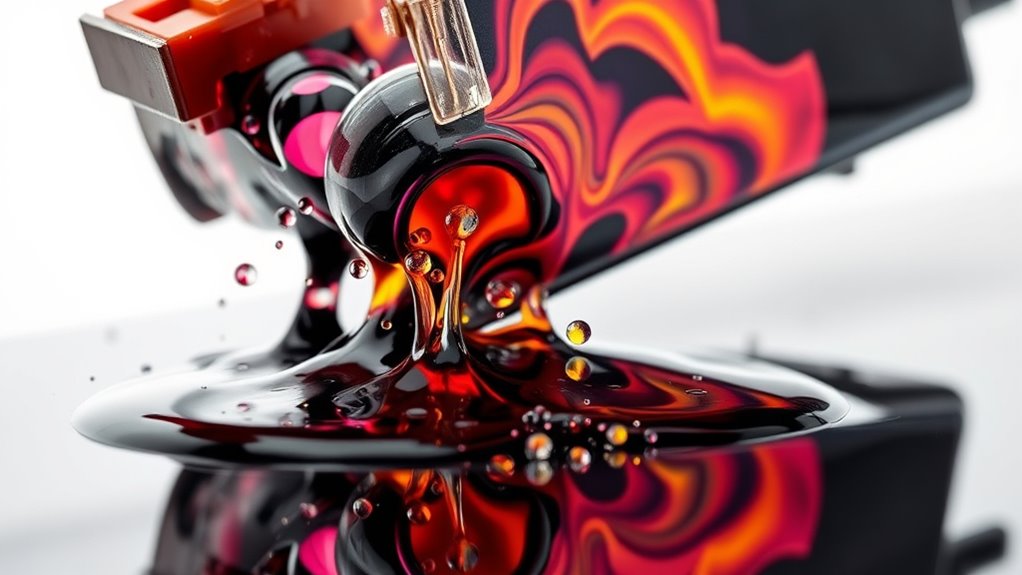
Printer ink is made up of a mix of water, ethylene glycol, alcohol, dyes, and pigments, along with chemicals that help it dry quickly and keep the color consistent.
Printer ink combines water, ethylene glycol, alcohol, dyes, pigments, and drying agents for color stability and quick drying.
You might wonder if printer ink is toxic. The good news is that most inks are generally non-toxic and considered safe as household dish soap if handled properly.
Ethylene glycol, which is found in some inks, can be toxic if ingested, especially dangerous to pets. However, it rarely causes issues through skin contact.
The dyes and pigments are designed to be stable and safe, meeting strict safety standards.
How Printer Ink Can Affect Your Skin and Overall Health
When your skin comes into contact with printer ink, it can cause irritation, redness, or dermatitis, especially with repeated exposure.
Some chemicals in the ink, like ethylene glycol and alcohol, can be absorbed through your skin and may impact your overall health over time.
To reduce these risks, it’s important to clean ink off your skin quickly and avoid prolonged contact without protection.
Skin Contact Risks
Although printer ink isn’t usually toxic, touching it directly can still cause irritation or dermatitis if you handle it a lot or for a long time.
Cartridge ink often has chemicals that might lead to mild skin reactions, especially with prolonged exposure. Ink stains on your skin can be hard to remove without strong cleaners like alcohol or bleach, but they usually won’t cause poisoning.
It’s best to wear gloves when handling damaged cartridges or spills to avoid skin irritation from these chemicals. Brief contact often just causes temporary stains or mild irritation.
If you have persistent or severe skin reactions, it’s important to take care of your skin and see a doctor. Remember, avoiding long contact helps reduce the risk of skin issues from printer ink.
Overall Health Impact
While printer ink isn’t highly toxic, exposure can still affect your overall health if you’re not careful. It contains chemicals like ethylene glycol and alcohol, which are usually safe in small amounts but can cause skin irritation or sickness if ingested or absorbed in large quantities.
Skin contact typically results in temporary staining rather than poisoning, but it’s a good idea to clean the area to prevent irritation. Swallowing printer ink might cause mild stomach upset, though it’s considered minimally toxic.
Prolonged or repeated exposure, especially through skin contact or inhaling fumes, can trigger allergic reactions, dermatitis, or respiratory irritation. While not highly dangerous on skin, accidental ingestion or inhalation of fumes can pose health risks, especially with long-term or high-level exposure.
Risks of Ingesting or Contacting Printer Ink
If you accidentally swallow printer ink, you might experience some minor stomach upset, but serious poisoning is unlikely.
Contact with your skin usually only causes temporary staining and isn’t dangerous. However, repeated exposure can lead to irritation.
Be cautious—if ink gets in your eyes or if you swallow a large amount, seek medical attention right away.
Ingestion Risks and Symptoms
Contact with printer ink, whether through ingestion or skin contact, usually causes mild symptoms rather than serious health problems. If you accidentally swallow ink, you might feel nauseous, vomit, or have stomach discomfort. The ink’s toxicity is similar to dish soap, so serious poisoning is uncommon.
Ingesting small amounts often only leads to temporary symptoms, not lasting damage. For example, if someone swallows ink, they should rinse their mouth and seek medical advice if necessary.
If ink gets on your skin, it may stain or cause mild irritation. Washing with soap and water usually clears it up easily.
In case of eye contact, you might experience irritation or redness. Rinse your eyes thoroughly and see a doctor if the irritation continues.
Skin Contact Safety
Skin contact with printer ink usually just causes temporary staining and mild irritation, not serious health risks. If you clean it quickly, the ink on your skin generally won’t be toxic or dangerous.
You can use alcohol or special cleaning agents to remove ink from your skin effectively. But keep in mind, if the ink stays on your skin for a long time or contacts happen repeatedly, it might cause irritation or mild dermatitis.
So, it’s best to wash the area soon after contact. Remember, swallowing printer ink is more dangerous than skin contact, but if you clean your skin properly, it’s usually safe.
Accidental contact during printing is common, but knowing these safety tips can help reduce discomfort and prevent unnecessary health concerns.
Can Printer Ink Cause Allergic Reactions or Respiratory Problems?
Printer ink contains chemicals like dyes and solvents that can trigger allergic skin reactions and respiratory problems in sensitive individuals. When you handle printer cartridges or are exposed to ink fumes, you risk inhaling volatile organic compounds (VOCs), which can cause headaches, throat irritation, and asthma-like symptoms.
Prolonged exposure may lead to respiratory sensitization, increasing the likelihood of chronic bronchitis or asthma. People with allergies or respiratory conditions are especially vulnerable.
| Risk Factor | Potential Effect |
|---|---|
| Skin contact | Dermatitis or allergic contact dermatitis |
| Inhalation | Headaches, throat irritation, asthma |
| Prolonged exposure | Chronic bronchitis, asthma |
Be cautious—your health may depend on how you handle and ventilate around printer cartridges.
Are Pets at Risk From Printer Ink? What Precautions Should You Take?
While handling printer ink and cartridges can pose health risks to humans, pets face even greater dangers from exposure to these toxic substances. Ethylene glycol, found in some printer inks, is highly toxic to cats and dogs. Just one teaspoon can be fatal to a 7-pound cat.
Ingesting ink or damaged cartridges can cause severe poisoning. Symptoms include drooling, vomiting, lethargy, and difficulty breathing. If your pet comes into contact with printer ink, seek veterinary care immediately.
To protect your animals, keep cartridges and ink out of their reach. Regularly inspect for leaks or damage to prevent accidents. Preventing accidental ingestion is critical because exposure to ethylene glycol can be life-threatening for your furry friends.
Health Hazards of Toner and Laser Printer Fumes
Exposure to fumes from laser printers can pose significant health risks, especially in poorly ventilated spaces. These fumes contain ultrafine particles and volatile organic compounds (VOCs) that can cause respiratory irritation and worsen asthma symptoms.
Inhalation of toner dust and fumes may lead to headaches, eye irritation, and long-term respiratory problems. Studies have shown that printer emissions can increase indoor levels of formaldehyde and other carcinogenic VOCs, raising concerns about prolonged exposure.
High or continuous inhalation of these fumes can also cause dizziness, coughing, and skin irritation. To protect yourself, ensure proper ventilation and use air purifiers when printing. Reducing exposure to printer fumes is essential for maintaining a healthier indoor environment and minimizing immediate health effects.
Why Long-Term Exposure to Printing Chemicals Increases Cancer Risk
Prolonged contact with printing chemicals, like benzene found in inks and solvents, significantly increases your risk of developing cancers such as leukemia, myelodysplastic syndromes (MDS), and lymphoma. Benzene is a known carcinogen that can enter your bloodstream through inhalation or skin absorption over time.
In the past, industry practices like poor ventilation and limited protective gear led to higher cumulative exposure, which raised your cancer risk. Chronic exposure causes genetic mutations that can trigger cancer development.
Even though safety regulations have improved, historical exposure levels still pose health threats for those working in printing environments. Long-term contact with these chemicals, especially benzene, greatly raises your chances of developing serious cancers later in life, highlighting the importance of safety measures and exposure awareness.
Symptoms of Printer Ink Poisoning and When to Seek Help
Understanding the symptoms of printer ink poisoning can help you spot potential health issues early. Common signs include stained skin or tongue, eye irritation, and mild stomach upset.
If you swallow ink, you might feel nauseous, vomit, or experience abdominal pain. Luckily, severe poisoning is rare. Eye contact with ink usually causes redness, irritation, and temporary staining, which can often be relieved by rinsing with water.
It’s important to seek immediate medical help if ink ingestion leads to persistent symptoms or if eye irritation worsens. Since symptoms are usually mild, quick attention can prevent complications.
Always keep an eye on how your body responds and don’t hesitate to get medical advice if symptoms get worse or don’t improve fast. Early action is crucial to avoid more serious health problems.
How to Safely Handle and Clean Printer Ink Spills
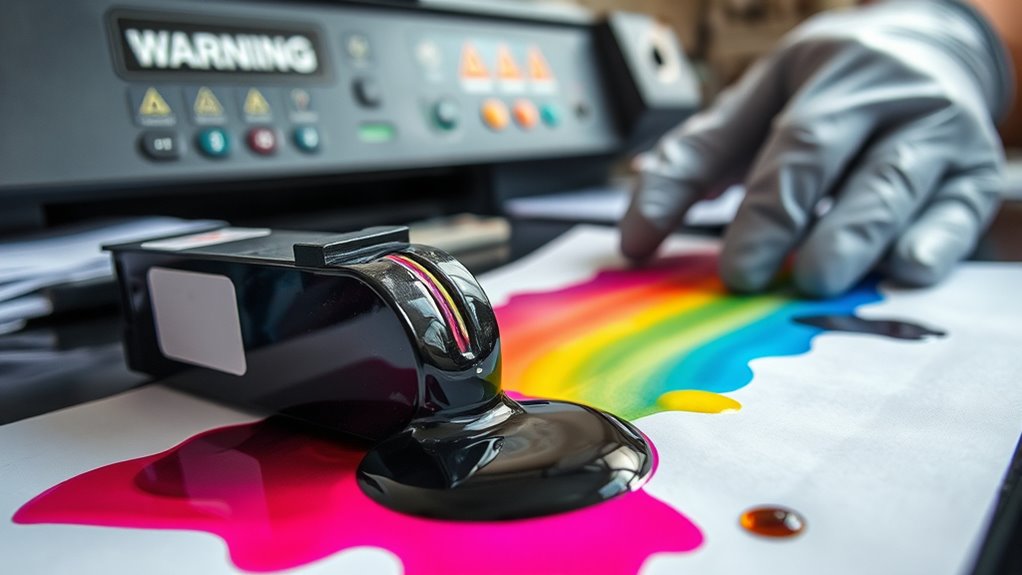
When handling printer ink spills, it’s important to take safety precautions to protect yourself from skin irritation and chemical exposure. Wear gloves and protective clothing to avoid direct contact with the ink, which can cause skin issues or irritation.
For cleanup, use effective agents like alcohol, bleach, or hairspray, since soap and water usually won’t fully remove ink from your skin. Be careful not to touch your eyes, nose, or mouth during the process to prevent inhaling or swallowing ink particles.
After using chemical cleaners, rinse the affected area thoroughly with cool water to help reduce irritation. Keep safety supplies like bepanthem cream or skin moisturizers nearby in case your skin stays irritated.
Prioritizing safety during cleanup is key. It helps protect your health and reduces the risks associated with printer ink.
Tips for Minimizing Health Risks When Using Printer Ink
To reduce health risks when using printer ink, always wear protective equipment like gloves and clothing.
Make sure to handle spills carefully and store inks securely out of children’s reach.
Following safety guidelines and proper disposal methods will also help keep exposure to a minimum.
Use Protective Equipment
Wearing protective equipment is vital for minimizing health risks when handling printer ink. Always wear gloves to prevent skin irritation and limit chemical absorption.
Using protective masks or respirators helps you avoid inhaling fumes or dust, especially in poorly ventilated areas. Safety goggles are essential to shield your eyes from ink splashes and fumes.
Follow the manufacturer’s instructions carefully for proper handling and disposal of ink, which reduces exposure risks. Even if you wear gloves, wash your hands and skin thoroughly afterward to remove any residual chemicals.
Incorporating protective equipment into your routine guarantees you minimize direct contact with hazardous substances and reduces the chances of adverse health effects associated with toxic printer ink.
Handle Spills Properly
Handling printer ink spills promptly and carefully is essential to minimize health risks. When a spill happens, wear gloves and protective clothing to prevent skin contact and chemical absorption.
Use appropriate cleaning agents like alcohol or specialized ink removers instead of water alone, which might not work well. Work in a well-ventilated area or use local exhaust ventilation to avoid inhaling fumes.
If ink gets on your skin, wash it immediately with heavy-duty agents like alcohol or hairspray to help reduce staining and absorption. Keep safety data sheets and cleaning supplies nearby for quick access.
Properly managing spills not only protects your health but also keeps your workspace safe. Always prioritize quick, careful cleanup to minimize exposure to toxic printer ink.
Store Inks Safely
Storing printer inks properly is crucial for reducing health risks and keeping your workspace safe. Keep inks in a cool, dry place away from direct sunlight to prevent the chemicals from breaking down.
Always store inks out of reach of children and pets to avoid accidental ingestion or contact. Make sure containers are tightly sealed to prevent leaks and reduce inhalation of harmful vapors.
Use only the original, clearly labeled packaging to prevent mix-ups and misuse. Follow the manufacturer’s guidelines for how long you can safely store inks and how to dispose of them properly.
Frequently Asked Questions
Is Printer Ink Harmful to Humans?
Printer ink isn’t highly harmful to humans when used properly. You can touch it without serious risk, as it’s similar to dish soap.
If you accidentally ingest a small amount, drinking water can help, and you’re unlikely to face serious poisoning. Just avoid deliberate ingestion or prolonged skin contact, and handle ink with care.
Is It Unhealthy to Sit Next to a Printer?
Sitting next to a printer is like standing in a fog of unseen dangers—you might not notice it, but risks exist. Prolonged exposure to printer fumes and ultrafine particles can cause headaches, dizziness, and eye irritation.
However, with good ventilation and regular maintenance, these risks fade into the background. So, if you keep the air flowing, sitting nearby isn’t likely to harm your health—just a brief shadow in your day.
Is HP Printer Ink Toxic?
HP printer ink isn’t highly toxic. If you come into contact with it, you’re unlikely to experience serious health issues. It’s made with water, dyes, and chemicals similar to household cleaning products.
That said, it’s best to avoid swallowing it or inhaling fumes. Keep ink away from children and pets to prevent accidents. Overall, HP ink is safe for regular use when handled responsibly.
How to Know if Ink Is Toxic?
Imagine uncovering a hidden poison in your ink. So, you need to check labels and safety data sheets (SDS). Look for chemicals like ethylene glycol or certain pigments, which can be toxic.
If you notice skin irritation or respiratory issues after handling ink, that’s a sign to be cautious. Testing the ink’s ingredients against SDS info helps confirm if it’s toxic.
Always handle ink with gloves and good ventilation to stay safe.
Conclusion
While printer ink seems harmless enough, its hidden toxins can quietly threaten your health, much like a ghost lurking behind a well-lit screen. Ignoring spills or prolonged exposure is like leaving a ticking time bomb in your workspace.
Take precautions, handle ink carefully, and stay vigilant. Guarding yourself from these silent dangers ensures your environment remains safe.
By being aware of the health risks of toxic printer ink, you can turn a potential threat into just an overlooked shadow in your daily routine.