7 Home Remedies to Remove Pen Ink Stains
Getting pen ink stains out of your clothes can feel like an impossible task. Many people struggle with this common mishap, especially when a quick fix is needed. If you’re tired of stubborn ink marks ruining your favorite outfits, you’re not alone.
Luckily, there are simple home remedies that can help you tackle these stains effectively.
To remove pen ink stains at home, try common remedies like rubbing alcohol, which dissolves ink, or apply a paste made of baking soda and water to lift the stain. You can also dab lemon juice or vinegar onto the mark, then rinse thoroughly.
Salt or cornstarch can help absorb ink from fabrics. These simple tips can work wonders, and if you keep exploring, you’ll find even more effective ways to keep your clothes spotless.
Key Takeaways
- Apply rubbing alcohol or hand sanitizer directly on the ink stain. Blot gently to lift the ink.
- Use a mixture of lemon juice and salt to treat the stain. After applying, rinse with cold water.
- Dab vinegar on the stain to help break down the ink pigments before washing.
- Create a paste with baking soda and water. Apply it to the stain and let it sit for a few minutes. Then rinse off.
- Test and apply a cornstarch paste to absorb the ink. Let it sit for a bit before brushing off and washing the area.
How Pen Ink Stains Penetrate Fabric and Why It Matters
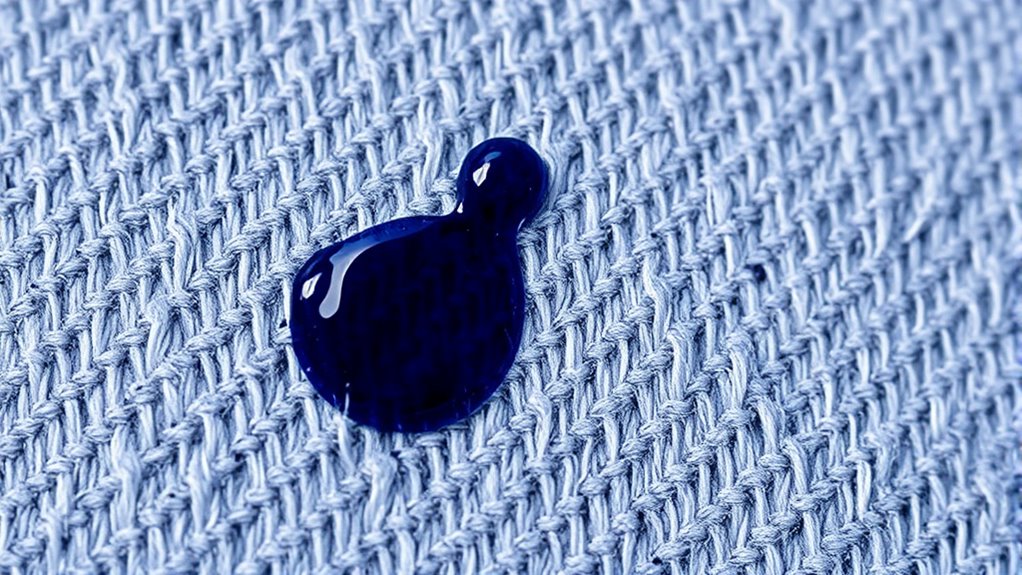
When pen ink gets on fabric, it doesn’t just sit on the surface; it seeps deep into the fibers. This makes stain removal tricky because the pigments or dyes become embedded within the fabric.
The chemical makeup of the ink, especially how soluble the dye is, affects how easily it can be dissolved or needs chemical treatment. Water-based inks tend to dissolve more easily, while alcohol-based inks are harder to remove.
Once the ink penetrates the fibers, surface cleaning methods usually don’t work well, especially if you leave the stain sitting. The longer it stays, the more the ink bonds to the fabric fibers, making it tougher to fully get rid of. Knowing this helps you pick the right way to remove the stain.
Quick Tips to Prevent Ink From Setting in Your Clothes
Promptly addressing ink spills is key to stopping the stain from setting into your clothes. When ink spills, quickly blot the area with a clean cloth or paper towel to soak up as much ink as possible without spreading it further.
Blot ink spills immediately with a clean cloth to prevent staining. Quick action keeps stains from setting.
Avoid rubbing or scrubbing because that can push the ink deeper into the fabric fibers. Instead, rinse the stained spot immediately with cold water since hot water can make the ink set more firmly.
Before using any stain removal product, test it on an inconspicuous part of the fabric first. This helps prevent potential damage.
Quick tips to prevent ink from setting include treating the stain fast, rinsing with cold water, and handling the spill gently. Acting quickly is your best bet for avoiding stubborn, lasting stains.
Effective Household Remedies for Removing Pen Ink Stains
You can use common household ingredients like salt, lemon juice, or vinegar to tackle ink stains effectively. Applying these remedies gently and promptly increases your chances of success.
Just be cautious with delicate fabrics to avoid damage during the cleaning process. Quick action and gentle handling are key to getting the best results.
Common Household Ingredients
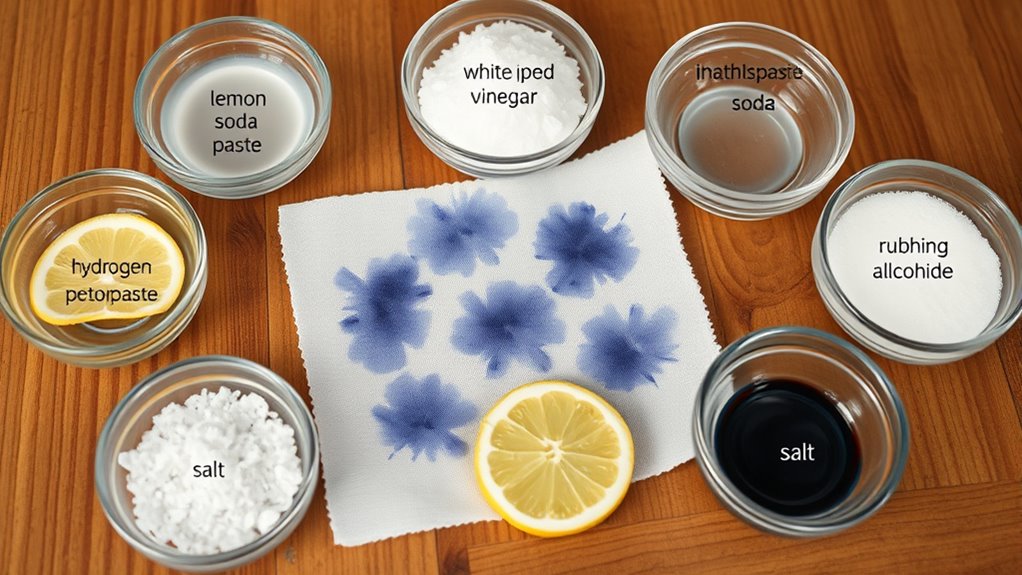
Common household ingredients can be surprisingly effective at removing pen ink stains from fabrics and surfaces. White vinegar, baking soda, and salt help break down and lift ink naturally. Rubbing alcohol and hand sanitizer dissolve ink pigments on many materials, making stain removal easier.
Lemon juice, combined with salt or baking soda, acts as a natural acid to lighten or remove stains through chemical reactions. Cornstarch absorbs ink, especially when mixed with vinegar, creating a powerful cleaning paste.
Using these ingredients, you can tackle ink stains without harsh chemicals. Here’s a quick comparison:
| Ingredient | Effect | Best Use |
|---|---|---|
| White vinegar | Breaks down ink stains | Fabrics and surfaces |
| Baking soda | Lifts and neutralizes stains | Clothing and upholstery |
| Rubbing alcohol | Dissolves ink pigments | Hard surfaces |
Gentle Application Techniques
To effectively remove pen ink stains using household remedies, applying the solutions delicately is essential. You should avoid harsh rubbing, instead using a gentle touch. Begin by dampening the fabric with cold water to help loosen the stain.
When applying cleaning solutions, use a soft cloth or cotton swab to carefully apply the substance, working from the outside in to prevent spreading. Always test a small, inconspicuous area first to ensure the fabric won’t be damaged or discolored.
Allow each treatment to sit briefly, then gently blot with a clean cloth or sponge. This careful approach guarantees you remove the ink effectively without harming the fabric.
- Use a dampened cloth or cotton swab for application
- Test on a hidden area first
- Apply solutions gently without rubbing
- Work from the outside of the stain inward
- Blot rather than scrub for best results
Precautions for Delicate Fabrics
When dealing with delicate fabrics like silk, wool, or suede, you need to handle ink stains very carefully. Always test any treatment first on a hidden area to prevent damage.
Avoid harsh chemicals such as bleach or acetone, as they can cause permanent discoloration. Instead, try mild solutions like a vinegar and cornstarch paste or seek professional cleaning.
Be gentle when treating the stain—blot or dab rather than rubbing. Rubbing can fray fibers or spread the ink further. After cleaning, air drying is best to keep an eye on the stain and avoid heat damage.
| Fabric Type | Treatment Approach | Caution |
|---|---|---|
| Silk | Mild solutions | Test first |
| Wool | Gentle dabbing | Avoid harsh chemicals |
| Suede | Professional cleaning | Air dry only |
The Safest Way to Use Commercial Ink Stain Removers
Are you unsure about how to safely use commercial ink stain removers? To get the best results without damaging your fabric, follow these safety tips:
Always read and follow the manufacturer’s instructions carefully. It’s the best way to ensure safe and effective use.
Always follow the manufacturer’s instructions for safe and effective stain removal.
Conduct a patch test on an inconspicuous area first. This helps you check for any discoloration or damage before treating the stain.
Use the recommended amount of product. Avoid over-application, which could harm the fabric.
Let the stain remover sit for the specified time. This allows it to break down the ink properly.
Finally, rinse thoroughly with cold water and wash as directed to remove any residual chemicals.
How to Remove Ink Stains From Different Types of Fabric
Different fabrics need different care to get ink stains out effectively.
You should pick techniques that match each material’s sensitivity, like using alcohol-based solutions on cotton or being careful with delicate silk.
Knowing these differences helps you avoid damage and get the best cleaning results.
Fabric Sensitivity and Care
Certain fabrics require careful handling to effectively remove ink stains without causing damage. Recognizing fabric sensitivity is key to choosing the right stain removal techniques and fabric care methods.
Delicate fabrics like silk and suede need gentle cleaning and are best treated by professionals to prevent harm. Cotton and linen can often withstand small amounts of alcohol-based treatments, but always test on inconspicuous areas first.
Synthetic fabrics such as polyester and nylon are more resistant but still need careful testing to avoid color fading. Velvet and chenille are sensitive to aggressive scrubbing, so soaking and dabbing are preferred.
Wool and silk demand mild, fabric-specific solutions and cold water to ensure safe stain removal. Always test solutions on inconspicuous areas, use gentle cleaning, and avoid harsh chemicals on sensitive textiles.
Opt for fabric-specific solutions and follow proper fabric care guidelines to keep your clothes in good shape.
Suitable Removal Techniques
Choosing the right removal technique depends on the fabric type, as each material responds differently to various treatments. For cotton fabrics, you can remove ink stains effectively by blotting with rubbing alcohol or hand sanitizer before washing.
Polyester and nylon also respond well to alcohol, but always test for colorfastness first. Denim and jeans often respond best to alcohol-based treatments like hairspray or soaking in milk for stubborn stains.
Silk, however, requires gentle handling. Use mild home remedies such as vinegar and cornstarch, or opt for professional stain removers. Delicate fabrics like suede and velvet need cautious treatment or professional cleaning to prevent damage.
Always remember to use water and stain remover solutions carefully, tailoring your approach to each fabric’s sensitivity when removing ink stains.
Step-by-Step Guide to Tackling Ink Stains on Colored and White Clothes
When dealing with ink stains on colored or white clothes, acting quickly is key to preventing permanent damage. To remove ink, start by pre-treating the stain with alcohol-based solutions like rubbing alcohol or hand sanitizer.
For colored fabrics, it’s a good idea to test in an inconspicuous area first to avoid color bleeding. Then, apply the treatment directly to the stain and let it sit for a few minutes.
Next, rinse thoroughly with cold water to loosen the ink. After that, machine wash the garment using the hottest water safe for the fabric.
Before drying, check if the stain is gone. If it’s still there, repeat the process. Remember, quick action and proper techniques are essential for getting ink stains out of your clothes.
Tips to Prevent Ink Stains and Keep Your Clothes Looking Fresh
To keep your clothes free from ink stains, it’s important to develop habits that lower the chances of accidents. Always store pens with caps securely closed to prevent ink leaks. Also, avoid leaving uncapped pens or loose ones in pockets, which can transfer ink onto your clothes.
Wearing protective clothing or an apron when handling ink or doing crafts can help prevent ink stains from happening in the first place. Regularly check your pens and replace any that are old or leaking to avoid surprises and ink spills.
If you do get an ink stain, acting quickly is key. Blot the stain and treat it early to stop it from setting. These simple tips can help you prevent ink stains and keep your clothes looking fresh and clean longer.
Frequently Asked Questions
What Will Remove Ballpoint Pen Stains?
You can remove ballpoint pen stains by applying rubbing alcohol or hand sanitizer directly to the stain. Blot the area gently, then let it sit for a few minutes.
For stubborn stains, you might try nail polish remover with acetone carefully on non-delicate fabrics. Remember to rinse thoroughly and repeat if needed.
Acting quickly and applying these solutions increases your chances of successfully removing the ink.
Does Dawn Dish Soap Remove Ink?
Yes, Dawn dish soap can remove ink stains. Just apply a small amount directly to the stained area and gently dab to lift the ink.
Its surfactants break down the ink and grease, making it easier to get rid of. For stubborn stains, repeat the process and rinse thoroughly.
Using Dawn is gentle on fabrics and works well when you’re patient and do multiple treatments.
What Is the Best Homemade Ink Remover?
The best homemade ink remover combines rubbing alcohol and dish soap. You apply a mixture of these directly to the stain, gently dabbing to break down the ink pigments.
For fabric, a paste of baking soda and water or soaking in vinegar and water also works well. Always test your remedy on a hidden area first to prevent damage.
Act quickly for the best results.
Does Vinegar Dissolve Pen Ink?
Vinegar can help dissolve pen ink, especially fresh stains, because of its acetic acid content. When you apply it carefully, it loosens the ink pigments from fabric surfaces.
However, it doesn’t work on all ink types or old stains and may sometimes spread the ink if not used properly. Combining vinegar with other treatments like baking soda can improve its effectiveness.
But keep in mind, it’s not a guaranteed solution for complete ink removal.
Conclusion
Now that you’ve got these handy remedies, you’re all set to tackle ink stains head-on. Acting quickly really makes a difference, so don’t wait too long to treat the stain.
Knowing how to treat different fabrics guarantees your clothes stay looking their best. Why let a pesky ink stain ruin your favorite outfit when simple, effective solutions are right at your fingertips?
With a little effort, you can keep your wardrobe spotless and fresh every time. Ready to give these tips a try?