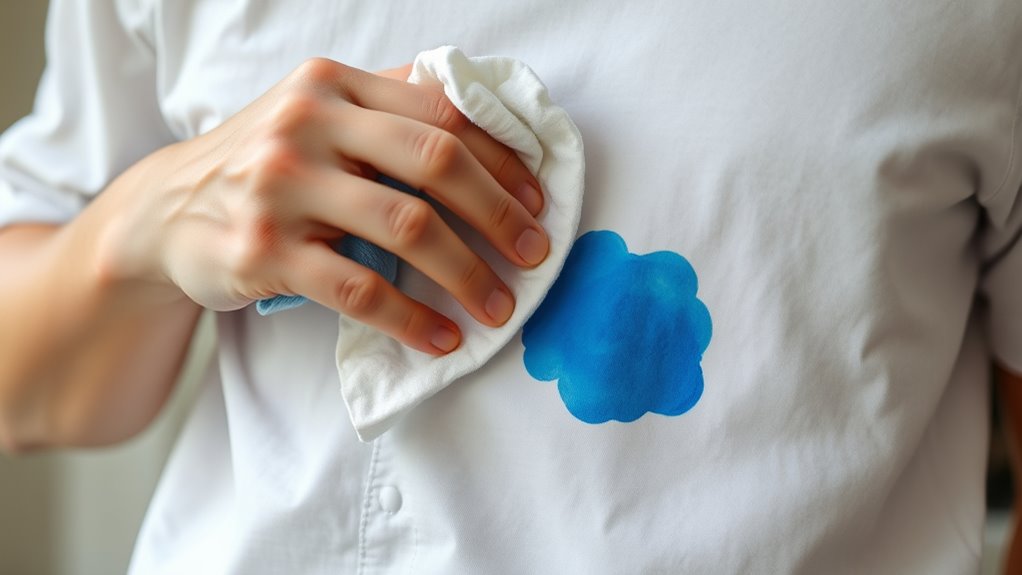
How Do You Effectively Remove Printer Ink From Clothes?
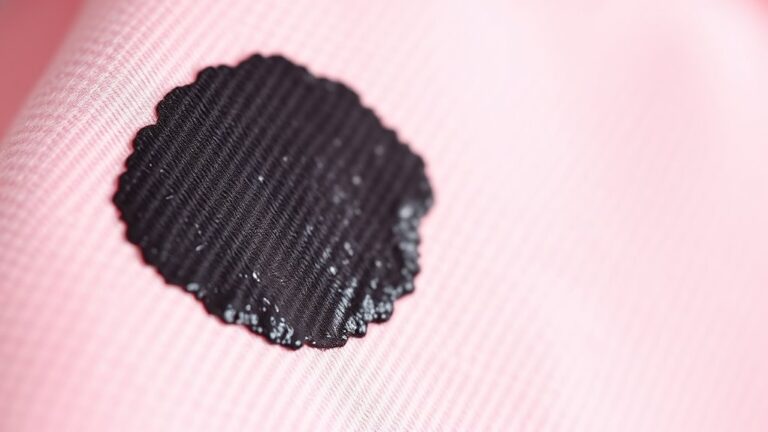
Dealing with printer ink stains on your clothes can be really frustrating. Many people struggle with removing those stubborn marks, especially when you’re in a hurry. But don’t worry—you’re not alone, and there are simple ways to tackle this problem effectively.
When printer ink gets on your clothes, act quickly by blotting with a clean cloth to soak up excess ink, then rinse with cold water.
Apply rubbing alcohol or hairspray directly to the stain and let it sit for 10-15 minutes, then rinse thoroughly.
For delicate fabrics, use gentle methods like vinegar solutions.
Avoid harsh scrubbing to prevent setting the stain. If the stain persists, there are more tips to help you effectively remove it.
Key Takeaways
- Blot the ink immediately with a clean cloth to prevent it from setting.
- Apply rubbing alcohol or hairspray directly onto the stain and let it sit for a few minutes before rinsing.
- It’s a good idea to test household remedies like lemon juice or vinegar on a hidden part of the fabric first, just to be safe.
- When dealing with delicate fabrics, gently dab the stain with a damp cloth.
- Avoid rubbing or scrubbing aggressively, as that can make things worse.
- If the stain still won’t come out after trying these DIY methods, it’s best to seek professional cleaning.
How to Act Quickly When Ink Gets on Clothes
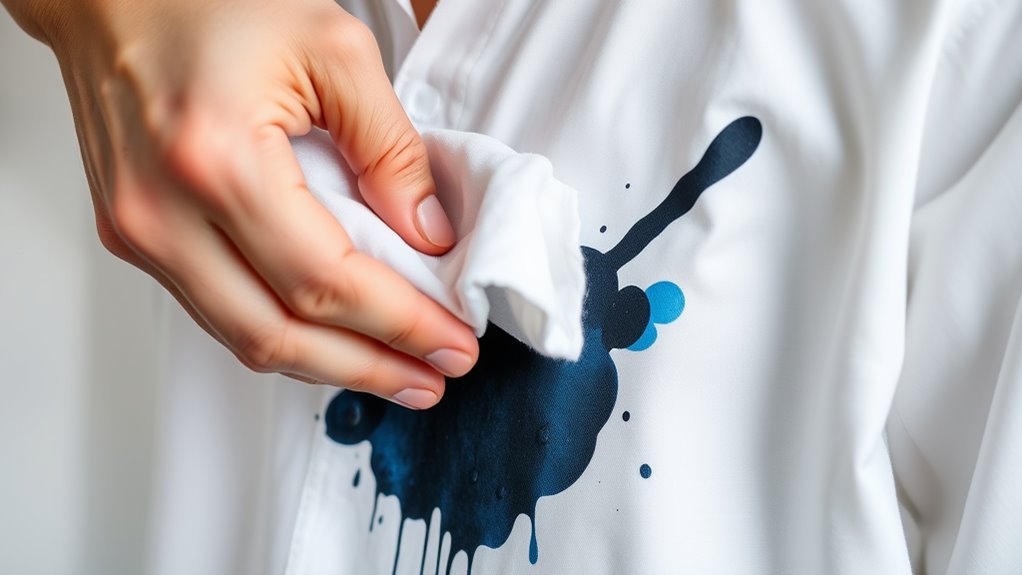
When ink spills on your clothes, acting quickly can really help prevent a permanent stain. First, blot the fresh ink stain with a clean cloth or paper towel to soak up as much ink as possible without spreading it.
Rinse the fabric immediately with cold water since hot water can set the ink into the fibers. To treat the stain, apply a small amount of rubbing alcohol or hairspray within minutes of the spill.
Gently dab or blot the stain, avoiding aggressive rubbing that could push the ink deeper. This helps dissolve the ink before it dries and sets.
Step-by-Step: Removing Printer Ink Stains Effectively
Start by gently blotting the ink stain with a clean cloth or paper towel to stop it from setting.
Next, test a small area of the fabric with rubbing alcohol or hairspray to check for discoloration. If it’s safe, apply it directly to the stain.
Finally, rinse thoroughly with cold water and wash in hot water if the fabric permits, making sure the stain is gone before drying.
Immediate Blotting Techniques
Act quickly to prevent the ink from setting further into your fabric by blotting it immediately. Use a clean cloth or paper towel to gently absorb as much ink as possible, avoiding rubbing that could spread the stain.
Employ a proper blotting technique: place a damp cloth beneath the stain and gently dab the ink on the fabric’s surface. To lift the ink, apply a small amount of rubbing alcohol or hairspray on a cotton ball or soft cloth, then carefully dab the stain.
Continue blotting with fresh sections of your cloth or paper towel until no more ink transfers. Rinsing with cold water afterward helps dilute remaining ink, making the initial treatment more effective.
Effective Chemical Treatments
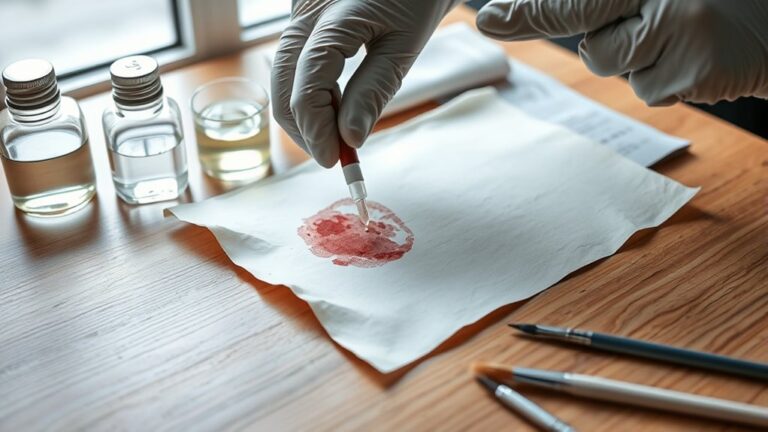
Applying a chemical treatment like rubbing alcohol or hand sanitizer directly onto the ink stain can effectively break down the ink particles. Use it as a stain remover by applying it to the affected area and letting it sit for 10-15 minutes to dissolve the ink stain.
Always test first on an inconspicuous spot to check for fabric colorfastness and prevent chemical damage. During chemical application, avoid excessive rubbing—gently blot instead to prevent spreading the stain.
After treatment, rinse thoroughly with cold water to remove chemical residues and residual ink. Repeat the process if needed before laundering.
Safe Ways to Use Household Items on Different Fabrics
Using household items to remove printer ink stains can be effective, but it’s important to consider the fabric type before trying any remedies. Different fabrics react differently, so always test first to see how your material responds.
For most fabrics, rubbing alcohol works well when used sparingly and rinsed thoroughly afterward. Natural remedies like lemon juice and salt are gentler options that suit delicate fabrics, but always test first to avoid discoloration.
Avoid harsh chemicals or aggressive scrubbing, especially on sensitive materials like silk or suede. Rinse thoroughly to keep your clothes looking fresh and vibrant.
Feeling confident in safe household items for stain removal means your favorite fabrics stay protected and stain-free.
Tips for Removing Ink From Delicate Fabrics Like Silk and Wool
When dealing with ink stains on delicate fabrics like silk and wool, quick action is key to prevent the ink from sinking deeper into the fibers.
For silk, start by gently blotting with a clean, damp cloth—don’t rub, as that can damage the fabric.
If needed, test a mild stain remover or vinegar solution on a hidden spot first, especially for wool, to make sure it won’t cause discoloration.
Wool stains can often be treated with a mix of vinegar and water, but always do a patch test first.
After applying any treatment, let the fabric air dry so you can check if the stain is gone.
Using heat can set any remaining ink, so avoid using a dryer or ironing until you’re sure the stain is fully removed.
Troubleshooting Persistent Ink Stains and When to Seek Help
Persistent ink stains that refuse to budge after multiple household treatments can be frustrating, but knowing when to seek professional help is essential. If your stain persists despite DIY methods, it might be time for expert help. Repeated scrubbing can push ink particles deeper into fabric fibers or cause fabric damage, making removal harder.
Professional cleaning services specialize in ink removal and can safely treat stubborn stains, especially on delicate fabrics like silk or suede. Ignoring persistent stains risks setting the ink further into the fibers, making it almost impossible to remove.
When the ink stain persists after several attempts, consulting professionals increases your chances of success. Don’t gamble with delicate fabrics—trust experienced cleaners to preserve your clothes and eliminate the stain effectively.
Feeling frustrated watching stubborn stains worsen? Fear damaging delicate fabrics beyond repair? Worry about wasting time with futile DIY methods? Hoping for a quick, affordable solution? Want to protect your favorite garments from permanent damage?
If any of these sound familiar, it’s a good idea to seek professional help rather than risking further damage or frustration.
Best Practices to Prevent Ink Stains in the Future
To prevent ink stains from ruining your clothes, it’s essential to handle ink cartridges carefully and follow best practices during refilling and cartridge replacement. Always wear protective clothing or an apron to avoid ink contact.
Store ink safely in sealed containers, out of children’s reach, to minimize the risk of leaks or accidental spills. Regularly check your ink cartridges for signs of ink leaks and handle them gently to prevent stains.
Promptly clean any ink splashes or spills with a damp cloth before they set into fabric. Follow the manufacturer instructions for cartridge use and disposal to reduce stain prevention issues.
Also, check the care label on your clothing before attempting any cleaning to ensure you follow the right stain prevention techniques.
Frequently Asked Questions
What Takes Printer Ink Out of Clothes?
To take printer ink out of clothes, you should use rubbing alcohol or hairspray on the stain. Test on a small, hidden area first.
Gently blot the ink with a cloth dipped in alcohol, avoiding spreading it. For tough stains, soak the fabric in a mix of water, vinegar, and detergent.
Rinse thoroughly and wash in cold water to prevent the ink from setting permanently.
Does Dawn Soap Remove Ink?
Yes, Dawn soap can help remove ink stains from clothes. You just need to apply a small amount directly onto the stain and gently work it in with a soft brush or cloth.
Dawn’s surfactants help break down oil-based inks, making it easier to lift the stain. For tougher stains, you might want to mix it with alcohol or vinegar.
Always test on a hidden part of the fabric first to make sure it won’t get damaged.
Does Printer Ink Permanently Stain Clothes?
Printer ink can stain clothes permanently if you don’t act quickly.
The stain’s permanence depends on the type of ink and fabric.
Water-based inks are easier to remove than oil-based ones.
But if the ink dries or gets heat-dried, it’s much harder to get rid of.
So, try to treat the stain fast with solvents like rubbing alcohol.
And avoid applying heat, which can set the stain even more.
How to Get Ink Out of Clothes That Have Already Been Dried?
Like a painter erasing a misplaced stroke, you can still remove dried printer ink from clothes. Start by testing a strong solvent like rubbing alcohol on a hidden area.
Apply it to the stain, let it sit for 10-15 minutes, then gently blot or scrape to lift the ink. Wash in hot water suitable for the fabric, making sure the stain’s gone before drying.
It’s like clearing a smudged canvas—taking your time to get it right.
Conclusion
Think of ink stains as tiny leaks in your fabric’s armor. Quick action is your best shield. By acting fast and choosing the right methods, you can stop the stain from spreading.
With patience and care, you’ll become a pro at removing printer ink from clothes. It’s all about staying calm and using the right techniques.
Remember, every stain is a challenge. But with the right approach, you can navigate through it and keep your clothes looking fresh and clean. Effectively removing printer ink from clothes is totally doable!