7 Simple Steps to Get Ink Out of Fabric
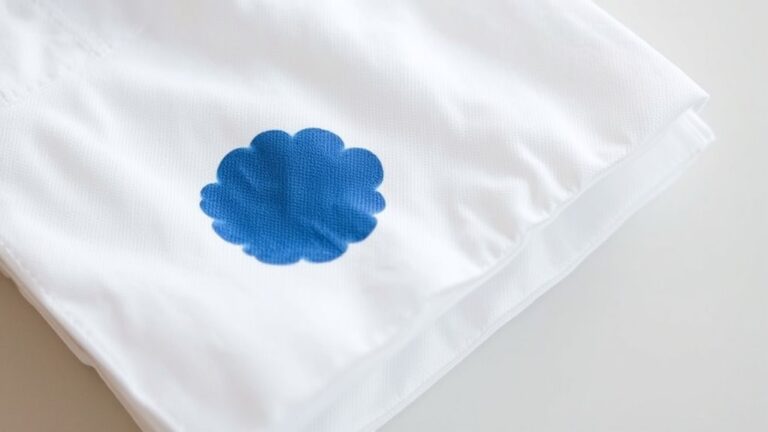
Dealing with ink stains on your favorite fabric can be really frustrating. Many people struggle with removing ink quickly and effectively, hoping to save their clothes without a trip to the dry cleaner. If you’re tired of stubborn stains ruining your wardrobe, you’re not alone—luckily, there are simple steps you can take.
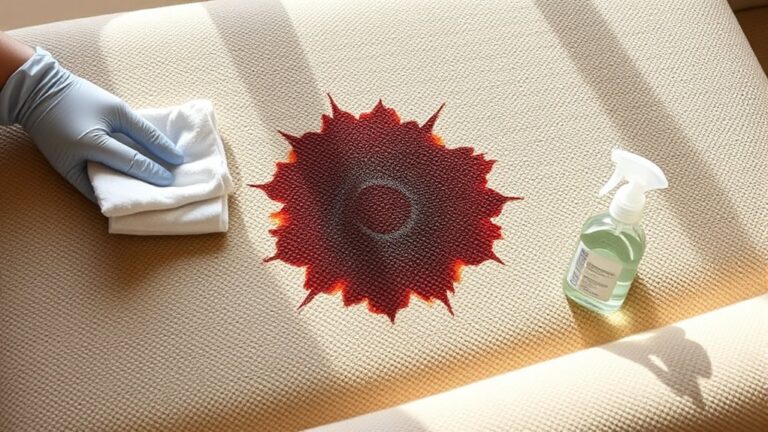
To remove ink from fabric, first identify the ink and fabric types, then test a stain remover on a hidden area. Cover your workspace, and apply rubbing alcohol or hand sanitizer directly to the stain, letting it sit for 10-15 minutes.
Gently blot the ink, transferring it onto a cloth, and rinse with cold water. Repeat as needed, then wash in cold water and air dry for the best results. Keep going to learn all the important details.
Key Takeaways
- First, figure out what type of ink and fabric you’re dealing with. This will help you pick the safest and most effective removal method.
- Before applying any stain remover, test it on a hidden part of the fabric. This way, you can make sure it won’t cause any damage or discoloration.
- Saturate the stain with alcohol or hand sanitizer. Let it sit for about 10 to 15 minutes to loosen the ink.
- Gently blot the stain with a clean cloth, transferring the ink onto an absorbent material. Then rinse the fabric with cold water.
- Finally, wash the fabric in cold water and let it air dry. Check to see if the stain is gone before doing anything else.
Assess the Ink and Fabric Type to Choose the Best Treatment
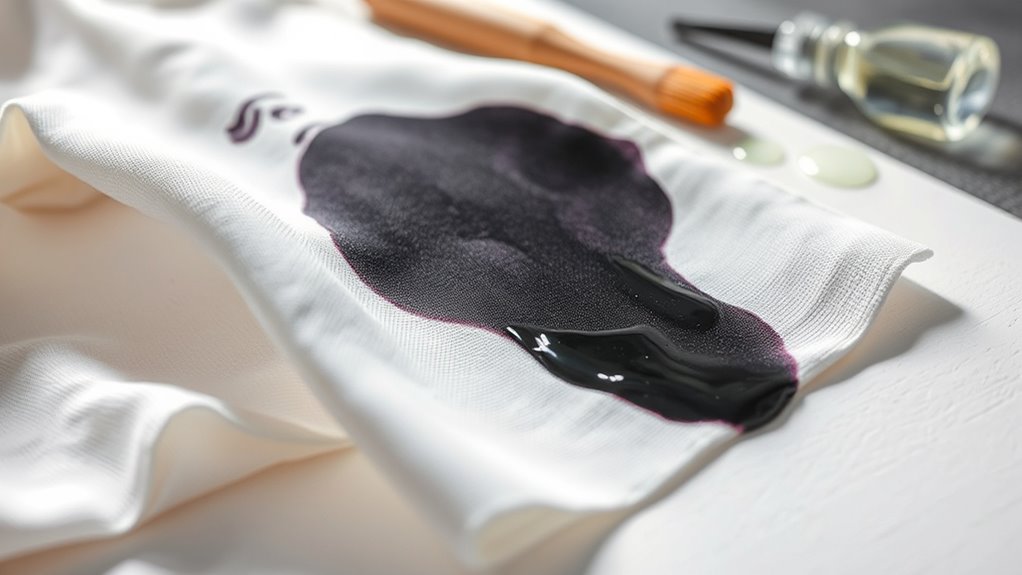
Before you start removing ink stains, it’s important to identify both the ink type and the fabric you’re dealing with. Knowing whether the ink is water-based, ballpoint, or permanent helps you pick the right stain removal method.
Also, check your fabric—cotton, silk, or leather—as each needs different cleaning solutions. Always test a small amount of stain remover on a hidden area first to avoid discoloration or damage.
For water-based inks, quick action with alcohol or hand sanitizer can work well, especially on cotton or polyester. Just avoid hot water or heat, as they can set the stain permanently.
Getting the right identification and testing first are key to removing stains effectively and safely.
Prepare Your Workspace to Prevent Spreading the Stain
Before you start treating the stain, make sure your workspace is set up to prevent it from spreading. Cover nearby surfaces with old towels or plastic sheets to catch any drips.
Work on a flat, well-lit surface so you can control what you’re doing better. Keep everything you need close by and handle the stain carefully to avoid making it worse.
Protect Surrounding Areas
Have you prepared your workspace to prevent the ink from spreading further? Using protective covers is essential to shield your work area from potential stains. Place a plastic sheet or old towels underneath the stained fabric to catch drips and stop ink from transferring to other surfaces.
Cover nearby furniture or delicate items with protective cloths or plastic wrap to avoid accidental spills. Secure these covers with painter’s tape or masking tape so they stay in place during treatment. Clear the surrounding space of any objects that might be damaged by cleaning chemicals or ink transfer.
Working in a well-ventilated area helps prevent inhaling fumes from alcohol, hand sanitizer, or other stain removal products. Proper preparation keeps your workspace safe and minimizes mess.
Use Drop Cloths or Towels
Are you ready to prevent a bigger mess while removing ink from fabric? Start by placing drop cloths, towels, or a plastic sheet underneath the stained fabric. These create a protective barrier that catches spills and stops ink from staining floors, furniture, or nearby clothing.
Make sure to secure the coverings so they don’t shift during cleaning. This keeps your workspace tidy and reduces the chance of spreading ink. Use thick, absorbent towels or drop cloths to catch drips and excess ink as you work.
Here’s a quick overview:
| Step | Tip |
|---|---|
| 1 | Use drop cloths or towels |
| 2 | Place beneath fabric |
| 3 | Ensure coverings are secure |
| 4 | Protect surrounding surfaces |
| 5 | Keep workspace well-ventilated |
This setup helps minimize mess and makes cleanup easier.
Handle Stains Carefully
Handling stains carefully starts with preparing your workspace to prevent the ink from spreading further. Place a paper towel or old cloth underneath the stained fabric to catch any ink that seeps through during removal.
Work on a flat, well-lit surface so you can clearly see the stain and avoid accidental spreading. Protect your hands with gloves to prevent transferring ink to your skin while applying stain removers.
Keep the stained fabric isolated from other clothing to prevent ink transfer or contamination. Make sure all cleaning supplies are within reach to avoid unnecessary movement that could spread the stain.
This careful setup helps you control the ink stain and makes removing ink stains more effective, reducing the risk of spreading ink onto other areas or paper nearby.
Apply Rubbing Alcohol or Hand Sanitizer Directly to the Ink Stain
Start by choosing the right type of alcohol, like rubbing alcohol or hand sanitizer. Apply it directly to the ink stain.
Make sure to saturate the area thoroughly and let it sit for 10-15 minutes to loosen the ink particles. Avoid rubbing harshly; gentle blotting works best to protect the fabric fibers.
Choose Appropriate Alcohol Type
When choosing between rubbing alcohol and hand sanitizer to remove ink stains, think about how effective they are and how they might affect your fabric. Rubbing alcohol, or isopropyl alcohol, is a strong stain remover because it dissolves ink well. Hand sanitizer has similar alcohol content, so it can be a good alternative if you don’t have rubbing alcohol nearby.
Both should be applied directly onto the stain to help loosen the ink from the fabric fibers. Just remember to test the alcohol on a small, hidden area first to avoid any damage or discoloration. Using either one carefully can be an effective way to lift ink stains from your fabric.
Saturate Stain Thoroughly
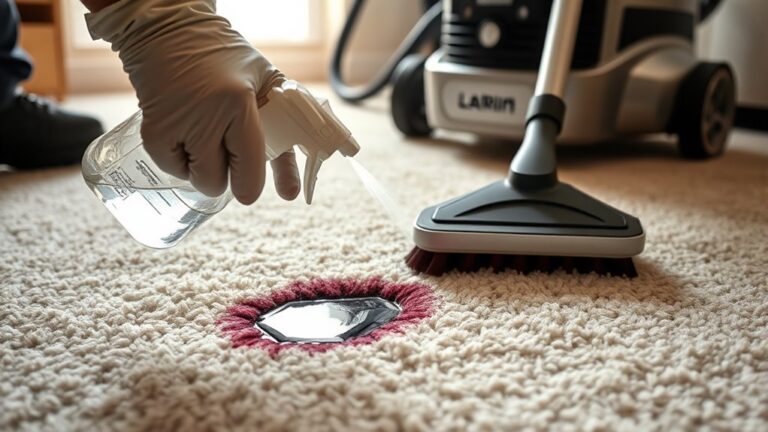
After selecting the right alcohol, it’s time to saturate the ink stain thoroughly. Pour a generous amount of rubbing alcohol or hand sanitizer directly onto the stain, making sure the whole area is evenly covered.
Saturate the fabric completely to help loosen the ink pigments from the fibers. Let the alcohol sit for at least 10 to 15 minutes so it can break down the ink. If the stain is still visible, reapply more alcohol or sanitizer to keep the area moist.
Use a clean cloth or paper towel to gently blot the stain. This will help lift the loosened ink from the fabric surface. Proper saturation is key to making the next steps easier and more effective in removing the ink stain.
Allow Proper Dwell Time
Applying rubbing alcohol or hand sanitizer directly to the ink stain is essential for effective removal. Once applied, you need to allow sufficient dwell time for the chemicals to work. Patience is key here; wait at least 10-15 minutes to let the alcohol loosen the ink’s bond with the fabric.
During this period, it’s helpful to reapply the alcohol or sanitizer if the stain remains stubborn. This ensures thorough saturation and maximizes the chance of success. Here are some tips to optimize the process:
- Apply enough alcohol or sanitizer to fully cover the ink stain.
- Give the treatment adequate dwell time—don’t rush.
- Reapply as needed to keep the stain moist and facilitate ink breakdown.
Patience with dwell time increases your chances of complete ink removal.
Blot and Transfer the Ink Using a Clean Cloth or Paper Towels
To stop the ink from spreading or staining nearby surfaces, place a clean, dry cloth or paper towels underneath the fabric with the stain. Gently blot the ink stain with a damp cloth or paper towel to lift the excess ink without spreading it further.
Use fresh paper towels or sections of the cloth as needed, replacing them when they become saturated with ink. Apply light pressure while blotting to help transfer the ink from the fabric to the absorbent material.
Keep blotting until no more ink transfers, which means you’ve removed the excess ink. This method helps lift the ink effectively, setting the stage for the next cleaning steps while protecting your work surface and surrounding areas.
Rinse the Fabric With Cold Water to Remove Residual Ink and Solutions
Once you’ve blotted away the excess ink, rinsing the fabric with cold water helps wash out any remaining ink and cleaning solutions. Rinsing from the back of the stain pushes the ink and chemicals out of the fibers, preventing it from setting further. Use a gentle stream of cold water to avoid spreading the stain or damaging the fabric.
To get the best results, rinse immediately after applying stain remover to stop the ink from setting. Keep the water cold to help dilute and lift the ink more effectively. If needed, repeat the rinse several times for a thorough clean.
This process ensures residual ink and solutions are flushed out, making it easier to treat the stain later. It also reduces the chances of the stain becoming more visible or set in the fabric.
Repeat Treatments as Needed Before Washing
If the ink stain sticks around after your first try, go ahead and repeat the stain removal steps. Repeating treatments helps loosen those stubborn spots that didn’t fully lift the first time.
Apply alcohol or hand sanitizer in layers, letting each one work before adding the next. This helps break down the ink’s bonds, making it easier to remove.
Doing multiple applications increases your chances of getting the stain out completely before washing. Be sure to air dry the fabric between treatments so you can see how well it’s working.
Drying in the air helps prevent the ink from setting again and lets you judge if you need to do more. Patience is key—repeating the process as needed will really help tackle tough stains.
Once the stain looks lighter, you can go ahead and wash the fabric. You’ll have a much better shot at getting it completely clean.
Wash the Garment in Cold Water and Air Dry for Best Results
Washing the garment in cold water is really important because it helps stop the ink stain from sinking deeper into the fabric fibers. Hot water can make the ink dyes bond more strongly, which makes the stain harder to remove.
Washing in cold water prevents ink from sinking deeper and makes stain removal easier.
After washing, air drying is key. It lets you check if the stain is gone without using heat, which could set any leftover ink. To get the best results:
- Carefully check the garment before drying to make sure the stain is gone.
- Use cold water when washing to prevent the ink from setting.
- Air dry the item to avoid heat that could make the stain permanent.
Following these simple steps helps protect delicate fabrics and gives you the best chance to fully remove the ink stain.
Frequently Asked Questions
Does Dawn Soap Remove Ink?
Dawn soap isn’t really designed to remove ink, but it can help loosen the stain thanks to its grease-cutting properties.
You might notice some improvement if you apply it directly, but for complete removal, you’ll need to use other solutions like rubbing alcohol or hand sanitizer.
Combining Dawn with these agents gives you a better chance of fully getting rid of the ink stain from your fabric.
What Is the Best Homemade Ink Remover?
The best homemade ink remover combines simplicity and effectiveness. You’ll want to mix equal parts white vinegar and cornstarch into a paste that gently lifts ink stains without damaging your fabric.
Alternatively, rubbing alcohol or hand sanitizer can break down ink pigments. For stubborn stains, apply a baking soda and water paste, or try a mix of dish soap with lemon juice or vinegar.
Always test first to avoid discoloration.
What Can Dissolve Ballpoint Ink?
You can dissolve ballpoint ink effectively with alcohol-based solutions like rubbing alcohol or hand sanitizer. These work by breaking down the ink’s chemical components, making it easier to lift from fabric.
When you apply alcohol directly to the stain and gently blot, it penetrates the ink and loosens it. Using commercial ink removers with similar solvents also helps.
Acting quickly increases your chances of removing the stain successfully.
How to Get Ink Out of Clothes That Have Already Been Dried?
To remove dried ink from clothes, start by applying rubbing alcohol or hand sanitizer directly onto the stain. Gently blot so the solution can penetrate the ink.
Repeat this process a few times if needed. Once the stain starts to loosen, wash the garment in cold water.
Avoid using heat until you’re sure the stain’s gone because heat can set the ink permanently. Always test a hidden area first to prevent any damage.
Conclusion
Now that you’ve followed these simple steps, your fabric is almost free of ink. But don’t rush to dry it just yet—there’s still a chance the stain might linger or reappear.
With a little patience and the right care, you’ll be surprised at the results. Will your fabric come out spotless on the first try? Keep going, stay vigilant, and see if this method truly works for every ink stain.
Success could be just a rinse away.