How to Determine If Pen Ink Is Poisonous
Are you ever worried about whether the pen ink you or your kids are using might be poisonous? You’re not alone—many people struggle with figuring out what’s safe, especially with so many types of inks out there. Knowing how to spot harmful inks can give you peace of mind and help keep everyone safe.
To determine if pen ink is poisonous, check the packaging for safety labels like the ACMI AP seal or safety standards such as ASTM D-4236. Be cautious with bottled or calligraphy inks, which may pose higher risks.
Watch for signs of poisoning, like skin or eye irritation, stomach upset, or allergic reactions. If accidental ingestion occurs, rinse with water and contact poison control or seek medical help. Continue exploring for detailed tips on staying safe.
Key Takeaways
- Check for official safety labels like the ACMI AP seal or safety certifications such as ASTM D-4236 and EN71.
- Review product labels for ingredient information. Avoid inks with hazardous chemicals like xylene or phenols.
- Be cautious with bottled or calligraphy inks, as they may contain higher-risk ingredients.
- Watch for signs of poisoning, such as skin staining, eye irritation, or gastrointestinal symptoms after exposure.
- Seek immediate medical help if large quantities are ingested or if symptoms are persistent or severe.
What Are the Ingredients in Pen Ink and Are They Safe?
Pen ink mainly consists of solvents like glycols, resins, and dyes or pigments that create color and guarantee smooth flow. The ingredients are designed for visual performance and ease of use, not safety. Most common inks are formulated with non-toxic ingredients safe for external contact and small accidental ingestion.
These include dyes or pigments that provide vibrant color, along with solvents that keep the ink flowing smoothly. Additional chemicals, such as glycerin, alcohols, or fluorescent agents, may be included depending on the type of ink. While these ingredients are generally minimally toxic, large quantities or inks containing chemicals like xylene or phenols can pose health risks.
How Can You Tell If Ink Is Certified Non-Toxic?
To figure out if ink is certified non-toxic, start by checking the packaging for official safety labels. Look for seals like the AP (Approved Product) seal from the Art & Creative Materials Institute (ACMI). This means the ink has been tested and certified as safe.
These labels often tell you if the product is safe for skin contact, small amounts of ingestion, or use on children. Also, see if the packaging mentions safety standards like ASTM D-4236 or EN71, which show it meets recognized safety requirements.
For example, Sharpie markers with an “A.P. Seal” are certified non-toxic for general use. Always read the labels carefully and trust manufacturer claims that are backed by certified safety seals to be sure the ink is truly non-toxic.
What Are the Signs of Ink Poisoning or Reactions?
Although ink poisoning is rare, it’s important to recognize the signs if you or someone else has a reaction. Common symptoms include stained skin or tongue and mild stomach upset after swallowing ink.
If ink gets into your eyes, watch for redness, watering, or blurred vision. These usually get better with rinsing. Allergic reactions to ink or tattoo ingredients may cause redness, swelling, or rashes at contact spots.
Signs of ink poisoning or reactions include skin or eye irritation, like redness or watering. You might also see swelling or rashes if you’re allergic.
Gastrointestinal symptoms such as nausea, vomiting, or stomach pain after swallowing ink are also common. If you notice any of these signs, remove the ink promptly and seek medical advice.
What Should You Do If You or Your Child Swallow Ink?
If you or your child swallow ink, rinse the mouth with water and don’t try to make them vomit.
Call webPOISONCONTROL or 1-800-222-1222 right away for guidance. Provide details about what was swallowed.
Watch for symptoms like stomach upset or staining. Seek medical help if these happen or if a large amount was swallowed.
Immediate First Aid Steps
When you or your child swallow ink, it’s important to stay calm and act quickly. First, rinse the mouth thoroughly with water to wash away any remaining ink and wipe off any stains.
Don’t try to make them vomit unless told to do so by poison control or a healthcare professional. Inducing vomiting can sometimes cause more harm.
Next, call poison control at 1-800-222-1222 right away. Be ready to tell them how much ink was swallowed and when it happened.
While waiting for advice, keep an eye out for symptoms like stomach upset or trouble breathing. If symptoms get worse or you’re worried, seek emergency care immediately.
Staying calm helps you respond effectively and gives the best chance for a good outcome for you or your child.
When to Seek Help
You should seek immediate help if you or your child swallow a large amount of ink—more than 1 ounce or 30 milliliters—as this can increase the risk of poisoning and needs prompt medical attention.
Contact poison control by calling 1-800-222-1222, even if you don’t see any symptoms. It’s important to get help quickly to find out if the swallowed ink is a serious threat.
Watch for signs of poisoning, like vomiting, stomach pain, or difficulty breathing.
If any of these happen, or if the person becomes unconscious, has seizures, or struggles to breathe, call 911 right away.
Providing healthcare professionals with details about the type and amount of ink ingested helps ensure proper treatment and reduces health risks.
Are Tattoo Inks Safe for Your Skin? What You Need to Know
Despite their popularity, many tattoo inks pose potential health risks because they’re not approved by the FDA for injection into the skin. These inks often contain unregulated pigments or contaminants, which can compromise skin safety.
Most inks focus on color and durability rather than safety or biocompatibility, increasing the risk of adverse reactions. You should be cautious about ink toxicity, as some pigments can trigger allergic reactions, causing irritation or inflammation.
Contaminated inks can also introduce bacteria or fungi, leading to infections. To protect your skin, always:
- Use inks from reputable sources with transparent ingredient lists.
- Consult a licensed tattoo artist familiar with safe ink practices.
- Be aware of possible allergic reactions, especially with red, yellow, green, or blue pigments.
Prioritizing these steps helps minimize risks associated with tattoo ink and skin safety.
Is Ink Safe for Your Skin? Understanding Risks and Allergies
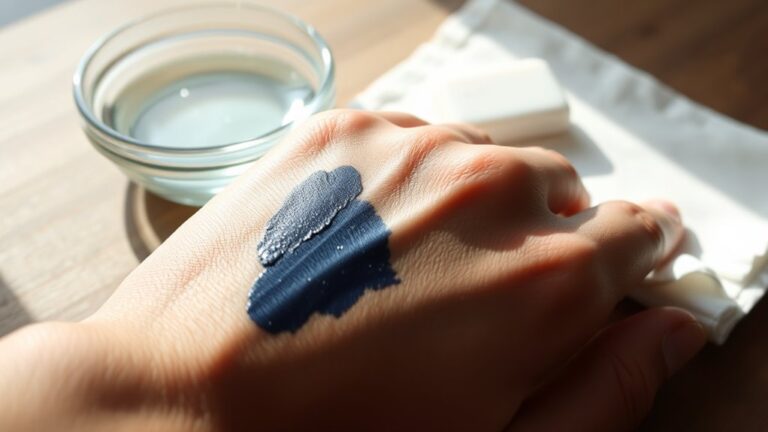
While most pen inks are designed for temporary use and are generally safe on the skin, it’s important to recognize that they can still pose risks for certain people. Ink contact with skin usually results in stains that wash off easily with soap or alcohol and rarely causes poisoning or allergies.
Most pen inks are safe and wash off easily, but some may cause allergies with prolonged contact.
However, some individuals may develop skin allergies or irritation from specific ink dyes or pigments, especially with prolonged or repeated contact. To reduce risks, choose inks labeled as safe for skin or cosmetic use.
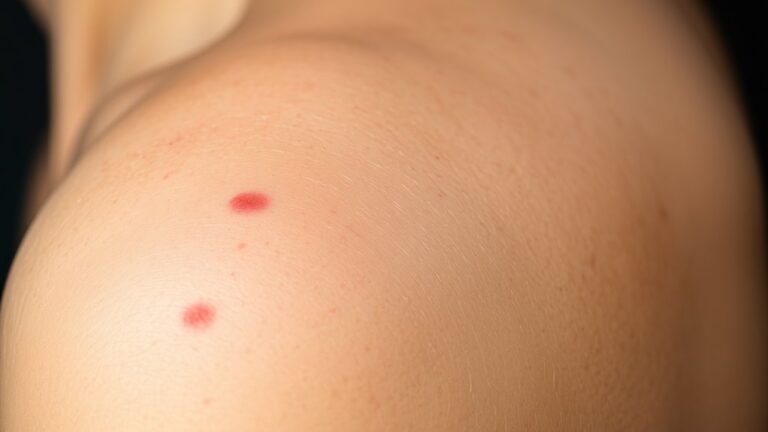
If you notice redness, itching, or swelling after skin contact with ink, it could be an allergy. In such cases, avoid further exposure and consult a healthcare professional.
Being aware of your skin’s reactions helps prevent unnecessary discomfort or complications.
When Should You See a Doctor About Ink Exposure?
Immediate medical attention is essential if ink gets into your eyes and causes ongoing irritation or visual disturbances.
If you swallow a large amount of ink, especially more than 1 oz (30 mL), seek medical attention promptly. Contact poison control or a healthcare professional if you experience nausea, vomiting, or abdominal pain after ink exposure.
You should also see a doctor if ink exposure results in a skin or mouth stain that won’t wash off after several days. Seek emergency care if ink ingestion causes difficulty breathing, loss of consciousness, or severe reactions.
In summary:
- Swallowing a large amount of ink
- Persistent eye irritation or visual changes
- Symptoms like nausea, vomiting, or difficulty breathing
How to Read Ink Product Labels and Safety Certifications
Reading ink product labels and safety certifications is key to making sure you pick a non-toxic and safe option.
Start by checking for safety certifications, like the ACMI AP seal. This indicates the ink is non-toxic for skin and the environment.
Next, review the ingredient list carefully for hazardous chemicals such as xylene, phenol, or heavy metals. Their presence suggests higher toxicity.
Look for warnings or instructions that explain proper handling, storage, and first aid steps if there’s accidental contact or ingestion.
Also, check if the label states “non-toxic” or “safe for children.” This shows it has passed safety tests and regulatory approval.
For more details, visit the manufacturer’s website or review the safety datasheet. These sources confirm the ink’s safety certifications and overall composition.
FAQs: Common Questions About Pen Ink and Toxicity
You might wonder if pen ink is truly toxic, but in most cases, swallowing a small amount isn’t harmful.
Knowing what to do if someone swallows ink and how to spot warning signs can help keep everyone safe.
Let’s clear up some common questions about ink safety and proper handling.
Is Pen Ink Toxic?
Many people wonder if pen ink is toxic, especially if accidentally ingested. Generally, pen ink is considered minimally toxic. Small amounts, like less than 1 mL, rarely cause serious health issues. Usually, there are only minor symptoms like staining or slight stomach upset.
The main ingredients—solvent, resin, and dye or pigment—are made for color and flow, not toxicity. Larger amounts of ink, especially from bottled or calligraphy ink, might be a bit riskier but still pose low danger.
Contact with skin and eyes generally causes temporary staining or irritation, not poisoning. Ingesting small quantities of pen ink isn’t usually dangerous but should still be avoided.
Ingestion and Safety Tips
While pen ink is generally minimally toxic, it’s important to know how to respond if someone swallows a small amount.
If ink ingestion occurs, start by rinsing the mouth with water and watch for any symptoms like vomiting or stomach discomfort.
Most ink ingredients, such as dyes and solvents, cause only mild toxicity or irritation in small amounts.
If more than 1 oz (30 mL) is swallowed, seek medical attention right away, as nausea or upset stomach may happen.
Always contact poison control or a healthcare professional if a significant amount is ingested or symptoms develop.
Recognizing Poisoning Signs
Understanding the signs of ink poisoning is important, even though most exposures are minor. Keep an eye out for common symptoms like stained skin or tongue, which show contact with ink. Mild stomach upset can also happen after swallowing ink, especially in larger amounts.
Watch for these specific signs of ink poisoning:
- Persistent redness or irritation in the eyes, which can usually be relieved by rinsing with water for about 15 minutes.
- Nausea or stomach discomfort after swallowing ink.
- Unusual reactions like vomiting or ongoing irritation that don’t go away quickly.
Most symptoms are mild and temporary, but you should see a doctor if they last or get worse. Recognizing these signs helps you respond quickly and avoid complications.
Frequently Asked Questions
How to Know if Pen Ink Is Toxic?
You can usually tell if pen ink is toxic by looking at its label or packaging for safety warnings or ingredients. Most modern inks are minimally toxic, but if the ink smells strong or contains unusual chemicals, be cautious.
If the label warns of toxicity or something seems off, handle the ink carefully. If you suspect ingestion or contact, contact poison control or seek medical advice right away, even if the ink seems harmless.
What Happens if You Ingest a Little Bit of Ink?
If you ingest a little ink, chances are you won’t experience serious health issues. You might notice staining on your mouth or tongue, but it’s unlikely to cause poisoning.
You could have mild stomach upset or nausea if you swallow a small amount. Keep an eye on symptoms, and if you swallow more or feel unwell, get medical help promptly.
Usually, small accidental ingestions aren’t dangerous.
Is Bic Ballpoint Pen Ink Toxic?
You might wonder if Bic ballpoint pen ink is toxic. The good news is, it’s generally non-toxic and safe for external contact.
While swallowing small amounts won’t cause serious harm, it could lead to minor stomach upset or staining. The ink contains solvents and dyes made for writing, not ingestion.
Still, keep pens out of kids’ reach to prevent unnecessary ingestion, but overall, the ink isn’t considered poisonous.
Is the Ink in a Sharpie Toxic?
The ink in a Sharpie isn’t considered toxic, especially if it’s AP (Approved Product) marked, meaning it’s safe for skin contact.
However, some Sharpies contain chemicals like xylene and toluene, which can be harmful if inhaled or absorbed in large amounts.
If you get ink on your skin, it usually causes irritation rather than poisoning. Avoid ingestion, and don’t use Sharpie ink for tattoos or in large quantities.
Conclusion
Knowing if pen ink is poisonous can save you from harm. Over 70% of ink products contain chemicals that might cause allergic reactions or poisoning if ingested or handled improperly.
Always check labels for safety certifications and avoid using inks not meant for skin or ingestion. If you or your child swallow ink, seek medical help immediately.
Staying informed and cautious is key to protecting yourself and loved ones from potential health risks associated with ink exposure. Remember, understanding if pen ink is poisonous helps prevent accidents and keeps everyone safe.