How Do You Remove Ink From Skin Safely?
Getting ink off your skin can feel like a tricky task, especially if you’re worried about harsh chemicals or irritation. Many people struggle with stubborn ink stains and want safe, effective ways to clean their skin without causing damage. If you’re looking for gentle methods to remove ink, you’re not alone—this is a common concern.
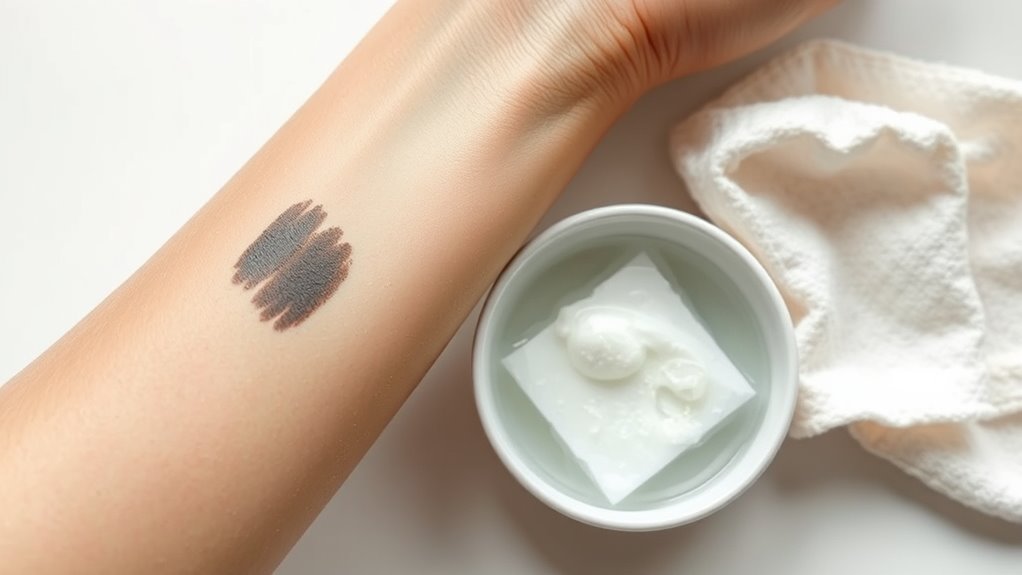
To safely remove ink from your skin, start with gentle methods like washing with soap and water or applying natural oils like coconut or olive oil to lift the ink.
For stubborn stains, use a gentle abrasive like baking soda mixed with water or natural acids such as lemon juice. Be cautious if you have sensitive skin—do a patch test first—and avoid excessive scrubbing to prevent irritation.
Keep exploring techniques to protect your skin while effectively removing ink.
Key Takeaways
- Start with soap and warm water to loosen the ink before trying anything stronger.
- Use natural oils like coconut or olive oil to gently lift the ink residues. They can be really effective without irritating your skin.
- Be gentle and avoid excessive scrubbing. You don’t want to damage your skin in the process.
- Always do a patch test with any cleaner or oil before applying it fully. That way, you can make sure your skin doesn’t react badly.
- After removing the ink, moisturize your skin. It helps restore hydration and keeps your skin from getting dry or irritated.
What Are the Different Types of Ink and Why Are Some Harder to Remove?
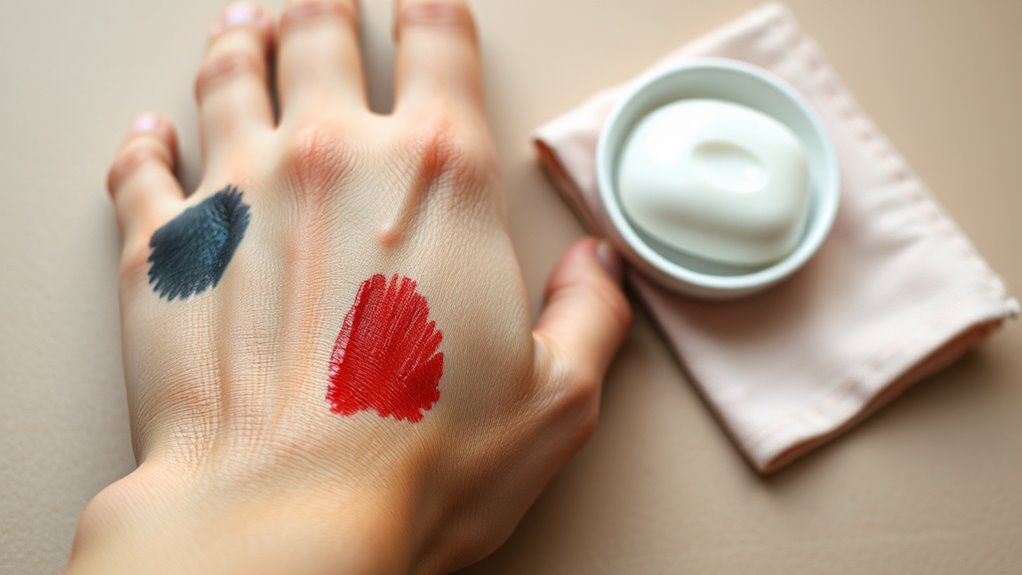
Different types of ink vary a lot in how easy they are to remove from your skin. Ink like India ink, which is made from carbon black and shellac, is permanent and resistant because it soaks in deeply. That makes it pretty tough to get rid of.
India ink is permanent and deeply embedded, making it difficult to remove from your skin.
Water-based inks, like ballpoint pen ink, are usually easier to wash off because they only stain the surface. The type of ink—whether it has dyes, pigments, or binders—really affects how hard it is to remove.
Permanent inks have binders that help them stick more firmly to your skin, making cleanup more difficult. Older stains tend to be tougher because their molecules bond more strongly with skin cells over time.
Knowing these differences can help you choose safer and more effective ways to remove ink.
How Do You Know If Your Skin Is Sensitive?
Recognizing if your skin is sensitive is important before you try to remove ink. It helps prevent irritation or further damage. Sensitive skin often reacts with redness, itching, or burning when exposed to certain substances.
If you have conditions like eczema, psoriasis, or rosacea, your skin is more likely to become irritated. To figure out if your skin is sensitive, do a patch test. Apply a small amount of the cleaning agent on an inconspicuous area and wait 24 hours.
Watch for signs like dryness, redness, stinging, or rash. These indicate your skin might be sensitive. Use this table to understand common symptoms:
| Symptom | Possible Cause | Action |
|---|---|---|
| Redness | Chemical reactions or irritation | Conduct patch test |
| Itching | Sensitive skin response | Avoid harsh products |
| Burning | Allergic or irritated skin | Seek gentle alternatives |
What Are Safe Natural Ways to Remove Ink From Skin?
There are several safe natural methods you can try to remove ink from your skin without resorting to harsh chemicals.
To remove ink stains, you can use natural acids like lemon juice or vinegar, which help break down the ink’s bonds with your skin. Mixing baking soda with water creates an abrasive paste that gently scrubs away stains.
Gentle rubbing with a soft cloth or cotton pad soaked in coconut or olive oil lifts ink residues without irritation. Soaking your skin in warm water with natural cleaning agents can loosen ink particles, making removal easier.
Moreover, natural exfoliants such as sugar or salt combined with mild soap can help scrub away ink gently. Remember to moisturize afterward to prevent dryness or irritation caused by these natural methods.
When Should You Use Professional Ink Removal Products or Services?
While natural methods work for many ink stains, there are times when professional ink removal products or services become necessary. If your ink stain is stubborn or has deeply penetrated your skin, DIY solutions may not be enough.
When ink stains are stubborn or deeply embedded, professional removal ensures safe and effective results.
In such cases, professional ink removal ensures skin safety and effective results. Rely on specialized products formulated for skin, like lanolin-based removers, to reduce irritation.
If multiple attempts at home fail or the stain persists, it’s best to seek dermatology advice before trying harsh chemicals. For severe or persistent ink stains, professional services can prevent skin damage and ensure safe removal.
Trusting experts helps protect your skin and guarantees a safer, more effective approach when DIY methods fall short.
Tips for Removing Stubborn Ink Without Damaging Your Skin
When dealing with stubborn ink stains on your skin, it’s important to use gentle techniques to avoid irritation or damage. Start with simple methods like soap and water, which can often loosen ink stains without harming your skin.
For more persistent marks, natural oils such as coconut or olive oil can help lift the ink without causing skin irritation. Be sure to test any chemical remover on a small patch first to prevent allergic reactions or dryness.
Avoid excessive scrubbing, as this can damage your skin and lead to redness or irritation, especially with stubborn ink. After removing the ink, apply a moisturizer to restore hydration and reduce dryness caused by the cleaning process.
Gentle methods protect your skin while effectively removing ink stains.
How Can You Prevent Ink Stains in the Future?
To prevent ink stains, always wear protective gloves or barriers when handling ink. Be careful with ink containers and pens, keeping them in designated areas to avoid spills.
After working with ink, wash your hands immediately to stop stains from setting. Taking these small steps can really save you from a lot of cleanup later.
Use Protective Gloves
Using protective gloves is one of the simplest and most effective ways to prevent ink stains on your skin. Wearing gloves like nitrile or latex creates a barrier that stops ink from touching your skin, giving you essential protection.
Always use disposable gloves when working with ink, whether you’re writing, refilling pens, or handling ink bottles. This helps prevent ink contact and keeps your skin clean.
Make sure the gloves fit properly to avoid gaps where ink could sneak through and stain your skin. If you’re working with ink for a long time, change the gloves regularly to stay protected and avoid cross-contamination.
Store your gloves in a designated area away from ink sources so you’re more likely to use them consistently and reduce the chance of accidental skin contact.
Handle Ink Carefully
Handling ink carefully is essential to prevent future stains on your skin. When working with pen ink, always wear gloves or protective barriers to minimize direct ink contact.
If ink does contact your skin, wash your hands immediately with soap and water to reduce staining. Store ink and pens in designated areas away from high-traffic zones to avoid accidental spills.
Keep ink containers tightly sealed to prevent leaks and skin exposure. Maintaining a clean workspace also helps reduce the risk of ink stains on skin and surfaces.
Using stain removers promptly can help if stains do occur, but prevention is key. By handling ink with care, you decrease the chances of ink stains on skin and make cleanup easier if contact happens.
Frequently Asked Questions
What Draws Ink Out of the Skin?
What draws ink out of your skin are solvents like rubbing alcohol and acetone, which break down ink molecules.
Oil-based products like coconut or olive oil can also help lift the ink by dissolving the pigments embedded in your skin.
Commercial ink removers with microspheres or emollients are effective and safe.
Gentle scrubbing with a soft brush or exfoliant can help remove surface ink particles, loosening the bonds and making removal easier.
What Is the Best Thing to Remove Ink From Skin?
The best way to remove ink from your skin is with rubbing alcohol, as it dissolves fresh ink quickly.
If you prefer a gentler method, try commercial ink removers with natural oils or hand sanitizer containing alcohol.
For stubborn stains, use acetone-based nail polish remover cautiously.
Always follow up with soap and water, and avoid harsh scrubbing to protect your skin.
Does Dawn Dish Soap Remove Ink?
Yes, Dawn dish soap can remove ink from your skin. Its grease-cutting properties help break down ink stains effectively.
Just dilute a small amount of Dawn with water, then gently rub it onto the inked area. Rinse thoroughly afterward and apply moisturizer to prevent dryness.
This method is safe and works well for removing ink without causing irritation, making it a household favorite.
Will Ink Eventually Come off Skin?
Yes, the ink will eventually come off your skin. You just need to give it time because your skin naturally exfoliates and washes away ink particles over a few days.
Fresh ink stains tend to fade faster, especially if you wash regularly. Water-based inks also fade quicker than permanent ones.
If it lasts longer, gentle cleaning methods like soap and water or mild scrubs can help speed up the process.
Conclusion
Removing ink from your skin can feel like a small victory, yet the fear of damaging your delicate skin lingers, like a shadow. While natural remedies may seem gentle, they aren’t always enough for stubborn stains. Sometimes, seeking professional help is the safest choice, even if it costs more.
Remember, protecting your skin’s health is more valuable than a fleeting ink mark. Because true beauty lies in caring for yourself, not just erasing the stain. When it comes to removing ink from your skin safely, it’s essential to choose the right method to avoid damage.