
Is Ink Poisoning Real?
Are you worried about the dangers of ink poisoning, especially if you have kids around or use inks frequently? You’re not alone—many people struggle with understanding how safe inks really are. The good news is, for most of us, ink poisoning isn’t a serious concern if we handle inks properly.
Ink poisoning is rarely a serious concern if you handle inks properly. Most pen, marker, and highlighter inks are water-based and contain non-toxic substances, making accidental ingestion or skin contact usually harmless.
While swallowing large amounts might cause mild stomach upset, severe poisoning is extremely unlikely, especially with everyday products.
However, persistent symptoms or eye irritation should be checked out. To learn how to protect yourself and understand more about ink safety, keep exploring the facts.
Key Takeaways
- Ink poisoning is largely a myth; most inks are minimally toxic and cause only minor symptoms if ingested.
- If you accidentally swallow a small amount of pen or marker ink, it usually just causes staining or a mild upset stomach.
It’s not typically enough to be considered poisoning.
- Serious health risks are rare. When they do happen, it’s usually because someone has ingested highly toxic inks or didn’t get medical help quickly.
- Proper handling, storage, and disposal of inks can really lower the chances of accidental poisoning.
- If someone ingests a large amount of ink or shows persistent symptoms, it’s important to seek medical attention.
That said, fatalities are extremely uncommon.
What Is Ink Poisoning and How Do You Know If You’re Affected?
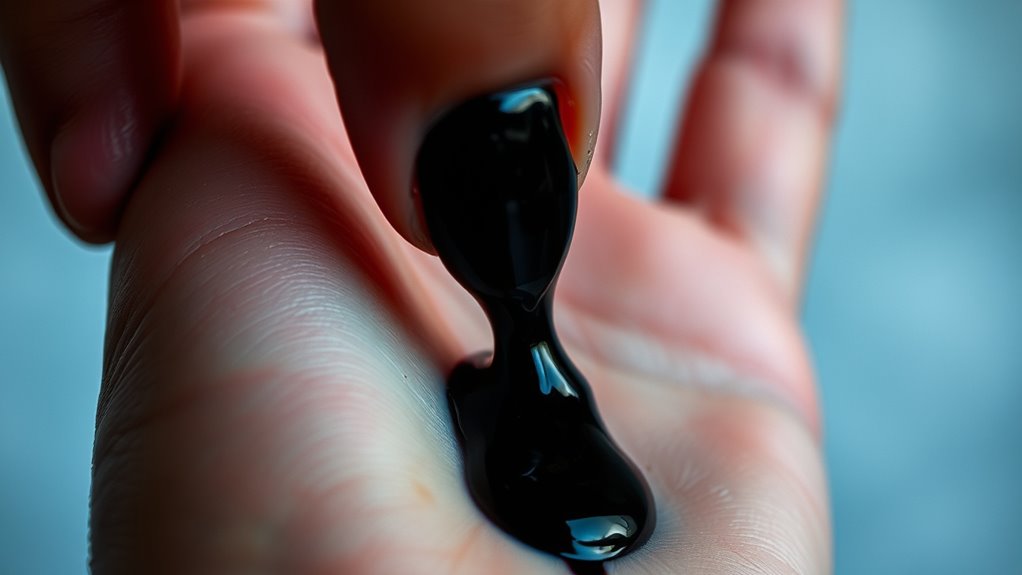
Although the term “ink poisoning” sounds alarming, most common inks are only minimally toxic and rarely cause serious health issues. Ink poisoning usually involves ingestion or skin contact, but symptoms are generally mild.
If you accidentally swallow a small amount of ink, you might notice stains on your skin or tongue, mild stomach upset, or eye irritation—these are common and not usually dangerous. Large quantities of ink ingestion, over 30 mL, could pose health risks, but smaller amounts typically don’t cause significant effects.
If you experience persistent nausea, vomiting, or eye or skin irritation, seek medical attention promptly. Understanding the amount and type of ink involved helps determine whether you’re truly affected or need medical help.
Are Pen, Marker, and Highlighter Inks Safe to Use?
Most pen, marker, and highlighter inks are safe for everyday use and minor skin contact.
They usually contain water-based formulas with minimal toxic substances, so poisoning is unlikely.
That said, it’s important to handle and store them properly to avoid accidental ingestion or eye contact.
These can cause irritation if they get into your eyes, so be careful when using them.
Safety of Common Inks
Are pen, marker, and highlighter inks safe to use? Generally, yes. Most common inks are water-based and made for safe, everyday use. When used as intended, they usually don’t pose much of a health risk.
Accidental ingestion of small amounts of these inks often only causes temporary staining. Most inks in typical writing supplies are safe on skin and don’t threaten poisoning.
But it’s still important to handle them properly—avoid swallowing or getting them in your eyes—and keep them out of reach of kids. While industrial or unregulated tattoo inks might contain harmful chemicals, regular pen and highlighter inks are designed to be safe.
Following proper handling instructions helps you use these inks without any worries about toxicity.
Toxicity of Ink Components
Pen, marker, and highlighter inks are generally safe because they are made with water-based formulas that contain minimal toxic substances. Their chemical components, such as solvents, dyes, and resins, are considered non-toxic when used as intended.
Ingestion of small amounts of these inks usually results in minor symptoms like staining or mild stomach upset, not serious health risks. While some industrial or unregulated tattoo inks may contain harmful chemicals, standard writing inks are formulated to be safe for routine handling.
Proper use and storage help prevent accidental ingestion and exposure, like keeping inks out of children’s reach. Overall, the ink toxicity of typical writing inks is low, making them safe for everyday use when handled responsibly.
Proper Handling and Storage
Handling and storing ink products properly helps keep them safe for everyday use. To avoid accidents, store inks out of children’s reach and keep caps tightly closed.
Proper handling means using inks only as intended and avoiding ingestion. Store them in labeled containers and keep them in a locked cabinet to reduce misuse or spills.
Here’s a visual to help:
| Storage Area | Handling Practice | Risk Prevention |
|---|---|---|
| High shelf | Keep caps tightly closed | Prevent accidental ingestion |
| Locked cabinet | Use only for writing or drawing | Avoid spills and misuse |
| Labeled containers | Store out of children’s reach | Reduce health risks |
| Drawers | Handle with dry hands | Minimize skin contact |
| Away from food | Keep in a separate space | Prevent accidental ingestion |
Are Tattoo and Industrial Inks More Dangerous Than Regular Pens?
While regular pen inks are generally safe and minimally toxic, tattoo and industrial inks can pose significant health risks because of their chemical makeup. These inks often contain harmful substances like heavy metals or unregulated chemicals, making them riskier than standard inks.
Tattoo inks aren’t FDA-approved for injection and can cause allergic reactions or infections if contaminated. Industrial inks often contain toxic solvents or dyes, which increase the danger if mishandled or ingested.
Both types of inks require strict safety measures because of their potential to cause adverse health effects.
What Symptoms Indicate Ink Poisoning or Harmful Exposure?
Recognizing the symptoms of ink poisoning or harmful exposure is important for prompt action. Symptoms can be mild, like stained skin or tongue, or involve more serious signs.
If you experience eye irritation, skin rashes, or nausea and vomiting after exposure, it may indicate harmful contact or ingestion. Ingesting large amounts of ink can cause gastrointestinal discomfort, but toxicity from small quantities is rare.
Persistent eye irritation or severe skin reactions should prompt immediate medical help. Remember, most ink exposures result in minor or temporary symptoms, and true poisoning is uncommon with typical products.
Staying alert to these signs helps ensure quick treatment and prevents complications related to ink toxicity.
How Much Ingested Ink Is Dangerous?
Ingesting small amounts of ink, under 30 mL, usually isn’t harmful and rarely causes serious health issues.
However, swallowing larger quantities, over 30 mL, might lead to mild symptoms like nausea or stomach upset.
The danger level depends on the ink type, with industrial or tattoo inks posing a higher risk than everyday writing inks.
Safe Ingestion Limits
Have you ever wondered how much ink you can safely swallow before it becomes a health concern? For pen ink, the ingestion limits are relatively high, and small amounts are unlikely to cause serious health risks.
Typically, ingesting under 30 mL (about one ounce) is considered minimally toxic, but exceeding this amount can cause mild symptoms like nausea or stomach upset. The poison control center says that consuming more than an ounce should prompt medical attention.
Keep in mind, the actual toxic dose varies depending on the ink type and individual factors. To stay safe, store ink properly and avoid intentionally swallowing it.
Signs of Toxicity
While small amounts of ink are unlikely to cause serious harm, it’s important to know the signs of toxicity if someone accidentally ingests a larger amount. Symptoms are usually mild but can include stomach discomfort, dizziness, or mild irritation.
If someone swallows a large quantity, like a full calligraphy bottle, seek medical help right away. Watch for signs such as vomiting, severe stomach pain, or persistent nausea.
Here’s a quick guide:
| Quantity Ingested | Symptoms | Recommended Action |
|---|---|---|
| Small amounts | Mild irritation, stomach upset | No urgent action needed |
| Moderate amounts | Dizziness, nausea | Monitor closely and seek help if symptoms worsen |
| Large quantities | Severe stomach pain, vomiting | Get medical attention immediately |
Being aware of these signs can help you respond quickly if needed.
What Should You Do If You Swallow Ink or Get It in Your Eyes?
What should you do if ink gets in your eyes or you accidentally swallow a small amount? First, stay calm. If you swallow ink, it’s usually not toxic, but you should avoid trying to make yourself vomit. Instead, do this:
- Rinse your mouth thoroughly with water to remove any ink.
- Seek medical care if you have persistent symptoms or think you swallowed a lot.
- If ink gets in your eyes, rinse immediately with cool, clean water for at least 15 minutes to help reduce irritation.
Contact poison control or a healthcare professional if you’re unsure about how serious the situation is. Remember, quick rinsing and getting medical advice are key to avoiding complications.
Can Ink Poisoning Be Fatal?
The risk of ink poisoning being fatal is extremely low, especially with everyday pen or marker ink. Most inks are designed with low toxicity, so serious outcomes are rare.
While ingesting large amounts of ink, especially industrial or tattoo inks with harmful chemicals, could be dangerous, fatalities are still uncommon if you get prompt medical help. Usually, swallowing ink causes minor symptoms like stomach upset or staining, not death.
Fatal outcomes are usually linked to exposure to highly toxic inks or if medical treatment is delayed after significant ingestion. Overall, ink poisoning rarely leads to death because common inks are low in toxicity and medical interventions are effective.
Still, it’s important to take any ingestion seriously and see a healthcare professional right away.
How Can You Prevent Ink Poisoning and Exposure?
Preventing ink poisoning starts with careful handling and storage practices. First, always keep ink bottles and pens out of children’s reach and sight to prevent accidental ingestion.
Second, make sure caps are securely on when not in use to avoid leaks, spills, or skin contact. Third, use ink products only for their intended purpose, avoiding application to skin or eyes.
To prevent exposure, handle ink with care—wear gloves if necessary—and wash your hands thoroughly afterward to reduce skin staining. Proper disposal of ink containers is also essential; secure and dispose of them safely, especially to prevent children or pets from accessing leftover ink.
Is Ink Poisoning a Real Threat or a Common Myth?
Although concerns about ink poisoning are common, evidence shows it’s largely a myth. Small amounts of ingested ink, like from accidental swallowing, are considered minimally toxic and rarely cause serious health issues.
Most inks, including pen and marker ink, are water-based and contain non-toxic dyes and pigments, making them safer than many believe. Even if you swallow larger amounts, over 30 mL, mild symptoms like stomach upset might happen, but true poisoning is unlikely.
The main health concerns are skin staining or irritation, not poisoning. Medical studies confirm that the risk of ink poisoning from typical exposure or accidental ingestion is very low and often overstated.
Frequently Asked Questions
What Would Happen if I Licked a Sharpie?
If you lick a Sharpie, you might get a minor mouth irritation or just taste a chemical. The ink is water-based and non-toxic on the outside, so it’s generally not dangerous.
But licking it repeatedly or swallowing a lot could cause nausea, dizziness, or stomach upset. Small amounts usually aren’t harmful, but it’s best not to do it often.
Prolonged exposure might increase the risk of absorbing chemicals through your mouth’s tissues, so it’s better to avoid licking Sharpies regularly.
Can Drawing on Your Hand Give You Ink Poisoning?
Drawing on your hand doesn’t give you ink poisoning. You’ll probably just see a temporary stain, not any trouble.
The ink is made for external use, so it’s generally non-toxic. It won’t seep into your skin or bloodstream easily.
If you accidentally swallow a small amount, it might cause minor stomach upset. Serious poisoning is very rare.
Just wash your hands thoroughly to remove the ink, and you’re all set.
Is It Safe to Draw on Yourself With a Pen?
Yes, it’s generally safe to draw on yourself with a pen, especially if it’s labeled as non-toxic or has the A.P. seal.
Most ink stains on skin are temporary and can be washed off easily. Just avoid drawing on broken skin or open wounds, and don’t use inks with harsh chemicals repeatedly.
If you notice irritation or allergic reactions, stop immediately and wash the area thoroughly.
Is It Safe to Lick Pen Ink?
Licking pen ink is like dabbling in a splash of color—generally safe in small doses. Most inks are designed with safety in mind, causing only minor stains or mild stomach upset if swallowed.
But beware of diving into a flood; larger amounts can upset your stomach or cause nausea. If you swallow a lot or feel unwell, seek medical help quickly.
Keep it light, keep it safe.
Conclusion
So, is ink poisoning a real threat or just a myth? While it’s pretty rare to get seriously ill from everyday pens or markers, swallowing large amounts or coming into contact with industrial and tattoo inks can be dangerous. It’s definitely something to take seriously—like risking a trip to the emergency room!
Always handle inks carefully, avoid ingestion, and seek medical help right away if you think you’ve been poisoned. Remember, ignoring ink hazards could turn a small mishap into a full-blown health crisis. Stay cautious and protect yourself from ink poisoning.