How to Get Ink off Skin With Simple Steps for Quick Removal
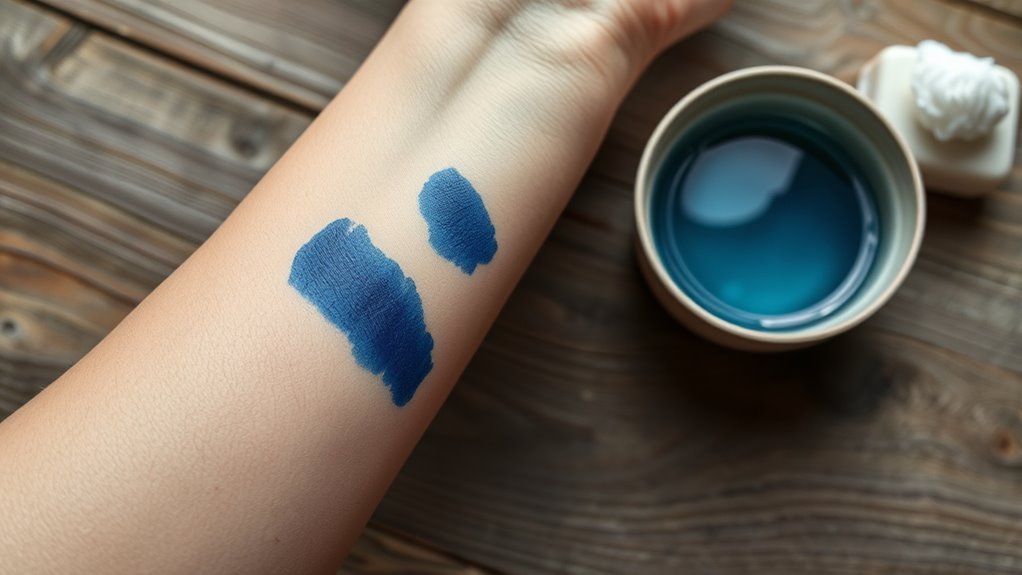
Getting ink on your skin can be frustrating, and many people struggle to find quick, effective ways to remove it. You’re not alone—ink stains often seem stubborn, especially when you’re in a hurry.
To quickly remove ink from your skin, act immediately while the ink is fresh and still in the upper skin layers. Start by testing a small area with gentle soap or baby oil, then gently rub the stain with a soft cloth or cotton ball. Rinse thoroughly with warm water and apply moisturizer.
If the stain persists, using a household solvent like rubbing alcohol can help.
To uncover more effective tips, continue exploring proven methods for safe, effortless ink removal.
Key Takeaways
- Act quickly to remove fresh ink before it bonds with skin cells, making cleaning easier.
- Identify whether the ink is water-based or permanent. This will help you choose the most effective removal method.
- Use gentle tools like cotton and mild soap or baby oil for safe, effective cleaning.
- Test any removal product on a small skin area first. This helps you check for allergies or irritation.
- After cleaning, moisturize your skin to keep it soft and healthy.
- Avoid harsh chemicals or aggressive scrubbing, as these can cause irritation.
Why Acting Quickly Prevents Persistent Ink Stains
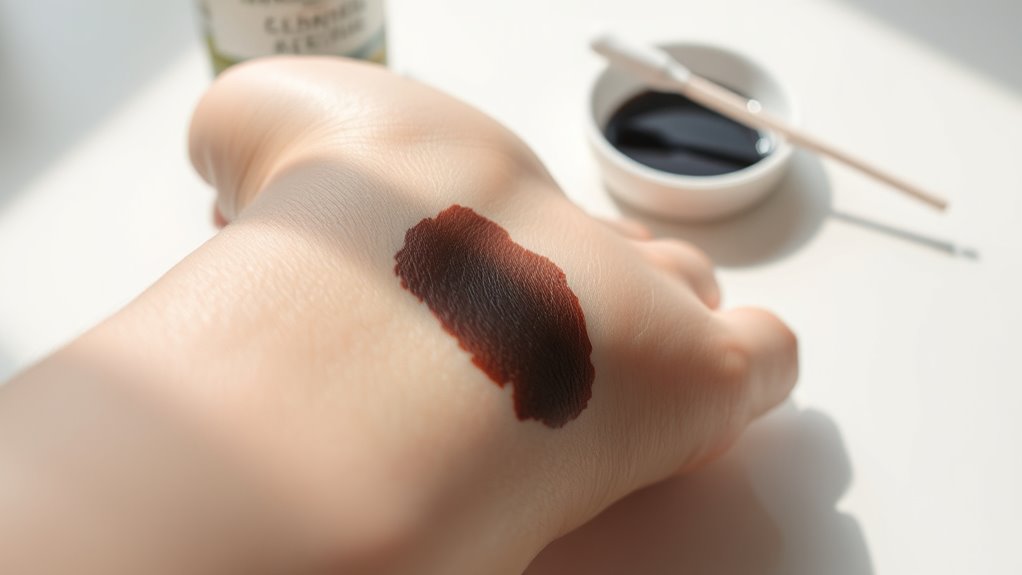
Acting quickly is essential because fresh ink hasn’t yet penetrated deeply into your skin, making it much easier to remove. When you act promptly, you can remove ink stains before they set and become stubborn.
Act quickly to remove fresh ink before it sets and becomes difficult to remove.
Fresh ink contains active solvents that dissolve easily, so treating it immediately maximizes your chances of full removal. Delaying allows the ink to bond with skin cells, increasing the risk of lasting stains and irritation.
By acting swiftly, you prevent staining from becoming more difficult to clean and reduce the need for harsh chemicals. Quick removal not only protects your skin’s health but also minimizes damage.
Always remember, prompt action is your best defense against persistent ink stains and ensures better skin protection.
How to Test Ink Removal on Your Skin First
Before you try removing ink, test your chosen method on a small, hidden patch of skin first. This helps you see how your skin reacts before applying it to a more visible area.
Wait 5-10 minutes to check for any redness or irritation. Take note of how your skin responds during this time.
If there’s no adverse reaction, you can go ahead and use the method confidently, knowing it’s safe for your skin.
Check Skin Sensitivity
Wondering how to make sure your skin won’t react badly to ink removal products? Start with a patch test to check your skin sensitivity. Apply a small amount of a gentle method, like mild soap or baby oil, to an inconspicuous spot.
Wait at least 5 minutes to see if there’s any irritation, swelling, or redness. These could be signs of an allergic reaction. Keep track of how your skin responds to ensure safe removal without discomfort.
Remember, avoid harsh chemicals like acetone or strong alcohol until you know your skin can tolerate them. Use this quick guide to help you:
| Step | What to Do | What to Watch For |
|---|---|---|
| 1 | Apply a small amount | Redness or swelling |
| 2 | Wait 5 minutes | Discomfort or irritation |
| 3 | Record your response | No adverse skin reaction |
| 4 | Proceed if safe | No signs of irritation or allergy |
Test Ink Compatibility
Once you’ve checked your skin’s sensitivity, the next step is to see how well the removal method works without causing irritation. To do this, do a patch test by applying a small amount of the removal method with a cotton swab or soft cloth on an inconspicuous skin spot.
Avoid broken or sensitive skin during this gentle test. Wait 5-10 minutes to see if there’s any reaction, like redness, swelling, or discomfort. This helps you test ink compatibility and make sure your skin won’t react badly.
It’s also important to confirm that the ink type—whether water-based, alcohol-based, or gel—responds well to the removal method. Recording how your skin reacts ensures the method is safe and effective before moving on to larger or more visible areas.
Assess Removal Effectiveness
To effectively assess how well a removal method works on your skin, start by applying a small amount of the chosen agent to an inconspicuous area using a cotton swab or soft cloth. This way, you can see how your skin reacts without risking widespread irritation.
Conduct a patch test first to check your skin sensitivity and make sure the agent doesn’t cause any adverse reactions. Wait at least 10-15 minutes to watch for redness, swelling, or discomfort.
Use gentle methods during testing to prevent unnecessary irritation. Record how your skin responds to different agents like soap, alcohol, or oils. Avoid continuing if you notice burning, discomfort, or any adverse effects.
Discontinue immediately if irritation occurs, and consider consulting a dermatologist for safer options.
How to Identify Your Ink Type for Better Removal
Identifying your ink type is key to choosing the safest and most effective removal method. To do this, test a small skin area with water or alcohol. Here’s how:
Identifying your ink type ensures safe, effective removal—test with water or alcohol first.
Gently dab the area with a damp cloth. If the ink smears easily, it’s likely water-based ink.
If water doesn’t remove it, try rubbing alcohol or nail polish remover. If the ink dissolves, it’s probably alcohol-based ink.
For gel inks, you might see partial removal with water or alcohol, which suggests it’s a gel ink or a mix.
Always prioritize skin safety by testing first to avoid irritation or damage. Correctly identifying your ink type helps you choose better removal methods while protecting your skin.
Which Household Methods Work Best for Different Ink Types
Water-based inks come off easily with soap and warm water, so they’re the simplest to remove. Just a quick wash, and they’re gone.
For permanent markers, you’ll need household solvents like rubbing alcohol or nail polish remover for the best results. They’re usually pretty effective on tougher stains.
Gel inks might need a gentle scrub with a mild solvent to fully lift the stain. A little patience can go a long way here.
Effectiveness on Water-Based Inks
Ever wonder which household methods work best for removing water-based inks from your skin? Water-based ink from washable markers or fountain pens responds well to simple tricks.
- Use soap and water right away to stop the stain from setting—this often does the trick for quick removal.
- Gently scrub with a sugar or salt scrub to lift the ink without irritating your skin.
- Try natural remedies like lemon juice or vinegar to break down the ink’s pigments.
- Finish up with mild dish soap and warm water for a thorough clean.
These tips work because water-based ink is soluble in water, making it easier to wash away. Rinsing promptly and using gentle scrubs help prevent irritation and get rid of the stain effectively.
Suitable for Permanent Markers
When dealing with permanent marker stains on your skin, chemical solvents like rubbing alcohol or acetone-based nail polish remover are your best options. They dissolve the ink’s pigments effectively.
These solvents work well because of their strong solvent properties. To use, apply a small amount and gently rub the stain. Always test a patch first to avoid skin irritation.
If you prefer a gentler approach, try baby oil or coconut oil. They can lift stubborn marks without harsh chemicals. After using solvents or oils, wash your skin thoroughly with soap and water.
Don’t forget to moisturize afterward to prevent dryness and irritation. Natural remedies like lemon juice or vinegar are less effective for heavy stains and are better suited for light marks.
Step-by-Step Guide to Safe Ink Removal
To safely remove ink from your skin, start by testing your chosen remover on a small, discreet area to make sure it doesn’t cause irritation or an allergic reaction. When removing ink, use gentle methods to protect your skin.
Choose household items like rubbing alcohol or oil for a gentle approach. Test first on a small patch to avoid any adverse reactions.
Gently apply the remover with a cotton ball or soft cloth in circular motions. Avoid scrubbing to prevent irritation. Rinse thoroughly with warm water and mild soap to remove any leftover ink and chemicals.
Finish by applying a moisturizer to soothe your skin and prevent dryness. This step helps keep your skin healthy after the ink is gone, making the whole process safe and effective.
Using Commercial Products Safely for Skin Ink Removal
When using commercial ink removal products, make sure to carefully follow the instructions provided.
Always perform a patch test first to check for any reactions, and use products meant for skin, like lanolin-based removers.
Remember to rinse thoroughly afterward to keep your skin safe and healthy.
Proper Application Techniques
Applying commercial ink removal products safely is essential to protect your skin while effectively loosening stubborn ink. To do this correctly:
- First, test the product on a small, hidden skin area to check for any allergic reactions or irritation.
- Gently apply the product using a cotton ball or soft cloth, avoiding vigorous rubbing that could damage your skin.
- Follow the instructions carefully, making sure not to use more than recommended or leave it on too long.
- Once the ink loosens, rinse thoroughly with warm water to remove all residue. Then, apply a moisturizer to soothe and hydrate your skin.
Skin Safety Precautions
Using commercial ink removal products on your skin requires careful attention to skin safety. Always read and follow the manufacturer’s instructions to prevent misuse.
Before applying, do a patch test on a small, hidden area to check for allergic reactions or irritation. Use gentle methods, like soft cotton balls or cloths, to avoid damaging your skin.
After treatment, wash the area thoroughly with mild soap and water to remove any leftover chemicals and reduce irritation risks. It’s important to follow chemical precautions and avoid overusing the product.
Once you’re done, moisturize immediately to help restore your skin’s barrier and prevent dryness or irritation. Prioritizing skin safety helps ensure effective ink removal while minimizing the chance of reactions.
Post-Removal Skin Care Tips to Prevent Irritation
After removing ink from your skin, it’s important to take some simple steps to soothe and protect the area. Proper care helps prevent irritation and supports healing.
Gently wash the area with a fragrance-free, moisturizing cleanser to keep your skin hydrated. Applying a soothing lotion with aloe vera or shea butter can reduce irritation and dryness.
Avoid harsh scrubbing or abrasive exfoliants, as they can damage your skin and slow down healing. Keep the skin moisturized regularly in the days after to maintain its health.
Watch for redness or swelling, and see a professional if irritation persists. These easy steps will help your skin heal smoothly and stay healthy.
Common Problems During Ink Removal and How to Fix Them
When trying to remove ink from your skin, you might run into common issues like stubborn stains that won’t lift easily or temporary fading that quickly reappears. Sometimes, stains need multiple gentle applications or light scrubbing to fully remove residual ink.
Using harsh chemicals like acetone or bleach can irritate or damage your skin if not diluted properly or left on too long. Be cautious with these substances to avoid unwanted skin reactions.
Harsh chemicals can irritate or damage skin if not used carefully or left on too long. Use caution.
Aggressive scrubbing or abrasive tools can cause skin abrasions, which increase the risk of infection or irritation. Always opt for gentle methods to protect your skin.
Some ink stains may seem to fade temporarily but come back after washing if residual ink is trapped in your pores. Patience and gentle cleaning are key to avoiding this issue.
Before trying any new removal method, it’s a good idea to do a skin patch test. This helps prevent allergic reactions or worsening irritation.
When to Seek Professional Help for Ink or Toner Stains
If repeated attempts at home removal leave ink or toner stains still visible or causing irritation, it’s time to seek professional help. Ignoring persistent issues can lead to skin damage or allergic reactions. Consider consulting a dermatologist if you experience ongoing irritation, redness, or allergic responses.
You should also seek help if:
- Ink stains remain stubborn after multiple home treatments.
- Harsh chemicals cause burning, blistering, or pain.
- The stain is large, deep, or widespread.
- You notice skin damage or prolonged irritation despite efforts.
Professional help might involve specialized skin cleaning or chemical peels to safely remove the ink without risking further injury. A dermatologist can ensure effective treatment while protecting your skin’s health.
Final Tips for Keeping Your Skin Ink-Free
To keep your skin ink-free, taking proactive steps during and after handling ink can make a big difference. Wearing disposable gloves or protective barriers minimizes the risk of stains and makes cleanup easier.
Quick action is key. Immediately washing your hands with soap and warm water prevents ink from setting. After removing the gloves, apply a moisturizer or hand cream to restore your skin’s natural moisture and prevent dryness or irritation.
Gentle scrubbing with natural remedies like baking soda or baby oil can lift stubborn stains without damaging your skin. Regularly maintaining these habits helps prevent stains from sticking and reduces skin irritation.
Introduction: Quick and Safe Ways to Remove Ink From Skin
Removing ink from your skin quickly and safely can prevent irritation and staining. Acting fast is key to stopping ink from setting or causing dryness. Here are simple household methods to remove ink effectively:
- Use rubbing alcohol or hand sanitizer to dissolve the ink within minutes.
- Gently wash with soap and water to lift ink without irritating your skin.
- Apply natural oils like coconut or olive oil to break down stubborn ink spots.
- Always test a small skin patch first to make sure the method is safe for your skin type.
These quick methods are safe and easy to do at home, helping you remove ink efficiently before it deepens or sets. Remember, acting quickly is your best defense against lasting stains or irritation.
Frequently Asked Questions
How to Get Ink off Skin Quickly?
To get ink off your skin quickly, apply rubbing alcohol or hand sanitizer directly to the stain and gently rub with a cotton ball or cloth.
For faster results, try baby wipes or makeup remover wipes—they work pretty well.
If the ink’s stubborn, dab warm water mixed with a bit of dish soap or oil onto the spot and gently scrub.
Be sure to rinse thoroughly afterward to prevent dryness or irritation.
What Draws Ink Out of Skin?
Think of it like a Sherlock Holmes mystery. What draws ink out of your skin are oils like baby oil or coconut oil, which break down pigment particles.
Rubbing alcohol or hand sanitizer also dissolve ink compounds. Baking soda paste works as a mild abrasive, helping to loosen the ink.
Warm water with soap helps lift ink through natural exfoliation. Gently scrubbing with a soft cloth or brush can mechanically remove any remaining ink.
How to Remove Ink Stains Immediately?
To remove ink stains immediately, act fast. Rinse the area with warm water and soap or wipe it with alcohol-based wipes to break down the ink.
You can also apply a small amount of oil like coconut or baby oil to loosen the ink residue. Gently scrub the area, and repeat if necessary.
The quicker you respond, the easier it is to remove the ink before it sets.
Does Vaseline Remove Ink?
Yes, Vaseline can help remove ink from your skin. When you apply a generous layer and gently massage it in, the petroleum jelly softens the ink pigment particles.
As you wipe it away with a tissue or cloth, it lifts the ink off your skin. Afterward, rinse with mild soap and water to remove any remaining Vaseline and ink residue.
It’s a gentle, skin-safe method suitable for sensitive skin.
Conclusion
Think of your skin as a canvas, where ink is a temporary stain on your masterpiece. Acting quickly and choosing the right methods can help you wipe away those unwanted marks.
Remember, patience and care are your brushes and paints—helping you remove ink without causing damage.
Keep these simple steps in mind, and your skin will shine brightly, free from stubborn ink stains.
Getting ink off skin is easy when you know what to do, so don’t worry—your natural glow is just a few steps away.