Understanding Invisible Ink – A Comprehensive Definition and Usage
Many people struggle with keeping sensitive information secure. Whether it’s important documents or secret messages, you want to protect them from prying eyes.
Invisible ink offers a clever solution for secure communication. It’s a special security writing method that hides messages until revealed by specific stimuli like heat, UV light, or chemicals.
It uses chemical or light-sensitive substances, such as lemon juice or quantum dots, to keep messages hidden. Its applications range from security documents and anti-counterfeiting to covert communication.
If you want to learn how these inks work, their history, and future trends, you’ll find it all explained here.
Key Takeaways
– Invisible ink is a security ink that stays hidden under normal conditions. It only reveals messages when exposed to certain stimuli like heat, UV light, or chemicals.
There are different types of invisible ink, including UV-sensitive, heat-sensitive, chemical-reactive, and surface-altering inks. Each type responds to specific triggers, making them useful for various applications.
Historically, invisible ink was used for secret messages and covert communication. Today, it’s more commonly employed in security printing, anti-counterfeiting, and protecting valuable assets.
Revealing messages usually involves methods like heating the paper, shining UV light, or applying chemicals. These processes need to be handled carefully to ensure the message isn’t damaged or erased.
Thanks to advances in nanotechnology and digital tools, the future of invisible ink looks promising. These innovations are helping create even more secure and effective anti-counterfeiting solutions.
What Is Invisible Ink and How Does It Work?
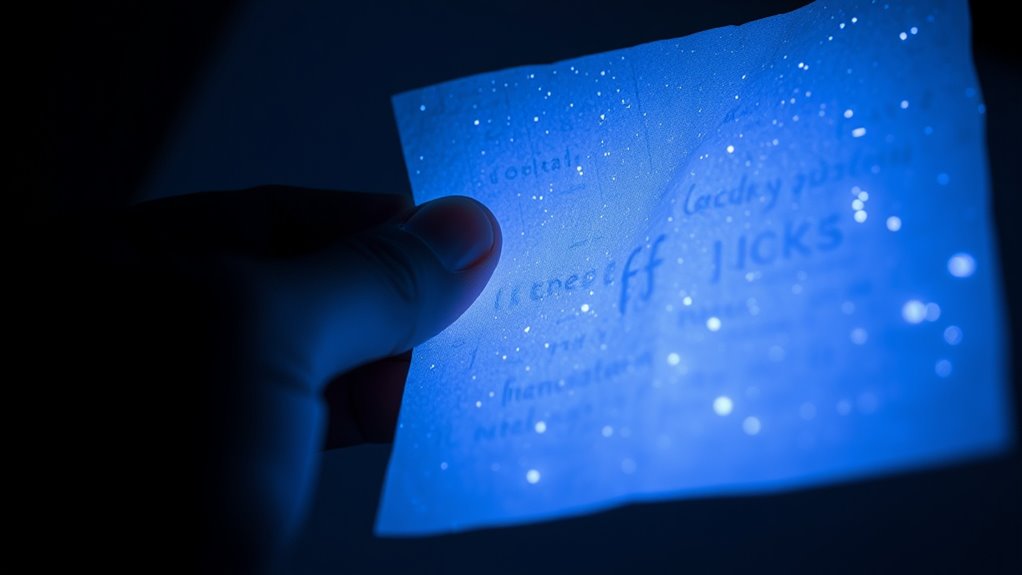
Have you ever wondered how messages can stay hidden until revealed? That’s where invisible ink comes in. It’s a special security ink that’s nearly invisible under normal conditions but can be made visible through specific stimuli.
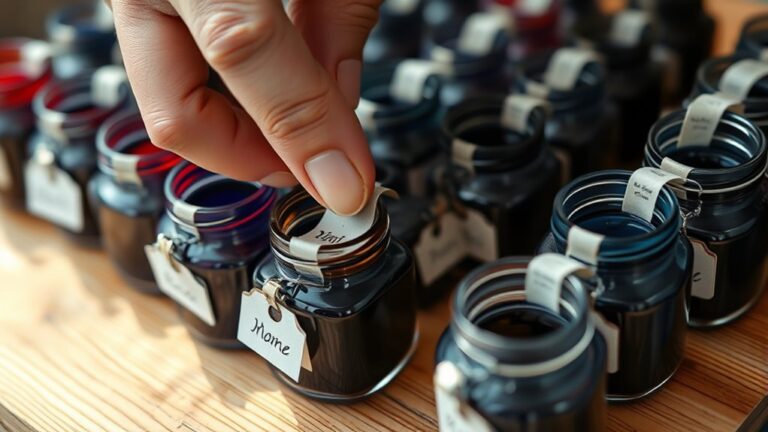
These inks often contain organic substances like lemon juice, milk, or vinegar. They react chemically when exposed to heat or chemicals, revealing the message. Some invisible inks fluoresce under UV light, making hidden messages glow in the dark.
The secret to how it works lies in chemical reactions—oxidizing, fluorescing, or changing color when triggered. The effectiveness depends on the ink’s chemical composition, the surface it’s applied to, and the method used to reveal the message.
Invisible ink’s clever chemistry keeps secrets safe until the right stimulus uncovers them.
A Brief History of Secret Writing
Secret writing has a long and fascinating history that goes back over two thousand years. Ancient civilizations like the Greeks and Romans used things like oak galls and vitriol for secret messages, which laid the foundation for invisible ink.
Secret writing dates back over two thousand years, with Greeks and Romans pioneering early invisible ink techniques.
During the American Revolution, spies improved these methods with oak gall ink to hide important military info. Over time, secret writing shifted from simple organic substances to more advanced chemical mixes.
In the 20th century, both World Wars pushed the development of invisible ink techniques, including lemon juice and microdots, used in espionage. These innovations made covert messaging more secure and sophisticated.
Today, the history of secret writing shows a constant effort to hide information. Invisible ink has played a key role throughout this ongoing quest.
Different Types of Invisible Ink and How They Work
Invisible inks come in different types, each designed to respond to specific stimuli to reveal hidden messages. For example, UV-sensitive invisible ink contains fluorescence compounds that glow under UV light, making secret messages visible without physical contact.
Chemical-reactive inks, like lemon juice or vinegar, turn visible when heated or chemically treated. They reveal the message through a color change, which makes them pretty handy for secret writing.
Heat-sensitive inks respond to temperature changes. They appear or disappear when exposed to heat, giving another way to hide or reveal messages. Some surface-altering inks change the surface properties, making messages visible under certain conditions.
Modern invisible inks also include advanced nanomaterials that boost security and durability. Whether through fluorescence or chemical reactions, these inks serve to conceal messages until the right stimulus reveals them, ensuring privacy and security.
How to Reveal Invisible Ink Messages
Revealing messages written with invisible ink usually involves using specific stimuli that make the message visible without damaging the surface. You have a few effective methods to try.
Discover simple ways to reveal invisible ink messages safely using heat, UV light, or chemical reactions.
One way is to gently warm the surface. Organic invisible inks like lemon juice or milk will oxidize when heated, turning dark and revealing the message.
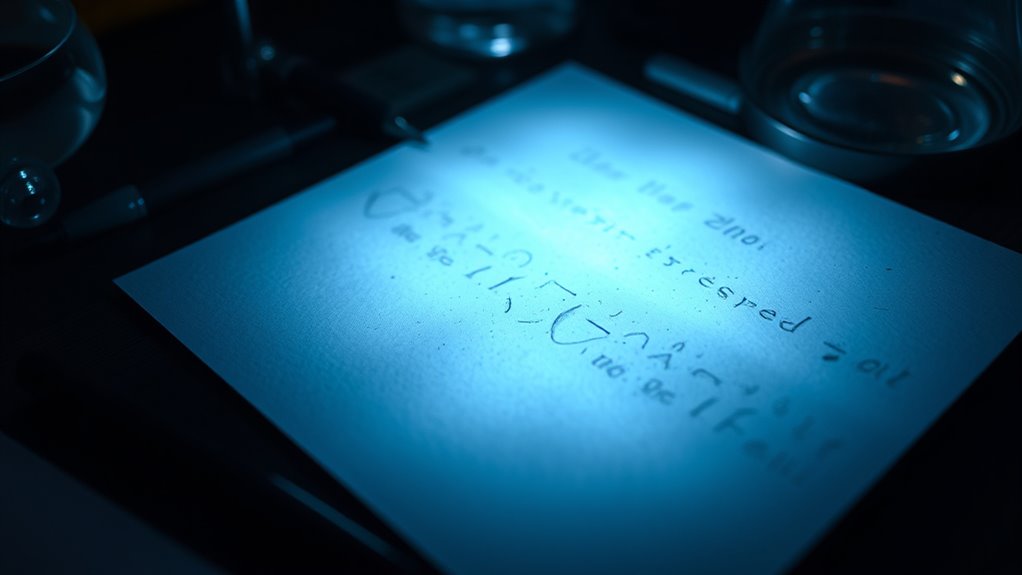
Another method is to use UV light or blacklights. Invisible ink that fluoresces under UV will glow, making the hidden message visible in normal lighting.
You can also apply certain chemicals, such as iodine fumes or special solutions. These develop or highlight the invisible ink markings without harming the surface.
Just take care when applying heat or chemicals to keep the message intact and clear.
Uses of Invisible Ink in Security and Industry
Invisible ink plays an essential role in security and industry by helping protect valuable assets and verify authenticity.
In security printing, invisible ink is used on banknotes, passports, and official documents to prevent counterfeiting and forgery.
Industries embed covert markings with invisible ink in luxury products and pharmaceutical packaging to authenticate genuine items.
These markings also appear in asset marking, helping with theft deterrence and recovery of valuables like jewelry, artwork, and electronics.
Invisible inks are key in security and anti-theft systems, with UV-reactive or heat-sensitive inks detecting unauthorized access or tampering.
This technology boosts security by providing discreet, tamper-evident features that only authorized personnel can verify, making it a vital tool for safeguarding assets and ensuring product integrity.
Latest Innovations in Invisible Ink and Steganography
Recent innovations in invisible ink and steganography focus on improving security through digital techniques and smart materials.
Now, you can find inks with quantum dots that glow under UV light or use algorithms that hide data within digital images using edge detection filters.
These advances make covert communication more secure and resistant to tampering.
Advances in Digital Techniques
Advances in digital techniques have greatly improved the capabilities of invisible ink and steganography, making hidden data more secure and harder to detect. Digital steganography now uses algorithms that manipulate pixel or sound wave components to embed data seamlessly.
Key innovations include:
- Reproducible pixel selection based on cryptographic passwords, so only authorized parties can extract the information.
- Error correction codes and redundant embedding across multiple files, which boost resilience against data loss or tampering.
- Lossless techniques that preserve data integrity even during compression with algorithms like JPEG or MPEG.
These methods strengthen data embedding security, reduce detection risk, and guarantee the hidden information remains intact even under challenging conditions. This advances the overall robustness of digital steganography.
Smart Materials Integration
Have you ever wondered how smart materials are changing the game for invisible ink and steganography? By using smart materials like quantum dots, researchers create inks with multi-wavelength fluorescence, which boosts security features.
These inks can respond to stimuli such as temperature, light, or chemicals, making verification dynamic and harder to counterfeit. Nano-engineered inks also offer higher resolution, better environmental durability, and resistance to chemicals, ensuring they stay invisible longer.
When combined with digital steganography algorithms, smart materials enhance data embedding and secure authentication methods. This integration makes invisible inks more versatile for high-security uses like anti-counterfeiting, document verification, and covert communication.
Altogether, this pushes the boundaries of what’s possible in covert technology, making security features more advanced and reliable.
Enhanced Security Features
Innovations in invisible ink and steganography are transforming security by incorporating multi-layered, hard-to-replicate features. These advanced security features make counterfeiting nearly impossible.
For example, you can find:
- Quantum dots in invisible ink that provide multi-wavelength signals, boosting anti-counterfeiting and safety.
- Nanotechnology creates micro-engraved patterns visible only with specialized scanners, adding complexity.
- Smart inks respond to chemical or environmental stimuli, offering dynamic protection for high-security documents.
Additionally, digital steganography now embeds encrypted data into images using edge detection algorithms, making covert communication more secure.
Machine learning further improves security by developing invisible ink with adaptive properties that change under external triggers. These innovations ensure your security features stay ahead of counterfeiters.
Top Companies Providing Invisible Ink Solutions
Several top companies excel in providing invisible ink solutions for security and authentication. Sun Chemical specializes in UV-reactive and heat-sensitive security inks, offering effective anti-counterfeiting and brand protection options.
SICPA is renowned for its high-security inks used in currency printing and official government documents worldwide, ensuring durability against forgery. DuPont offers a variety of security and authentication solutions, including invisible inks designed for tamper-proof applications.
Flint Group supplies security inks tailored for anti-counterfeiting in packaging, labels, and products, helping safeguard authenticity. Microtrace focuses on forensic and security marking solutions, including invisible inks for covert tracking and verification.
These companies lead the market with innovative, high-security inks that help protect against counterfeiting and reinforce brand integrity through invisible ink solutions.
How to Choose the Best Invisible Ink for Your Needs
When choosing invisible ink, consider the surface you’ll be writing on. Make sure the ink adheres well and reveals clearly with your preferred method, like UV light or heat.
Think about how long you want the message to stay hidden. Safety is also important, especially around children or sensitive environments.
Finally, pick an ink that’s easy to apply precisely. This helps keep your messages clear and well-placed.
Compatibility With Surfaces
Choosing the right invisible ink depends a lot on the surface you’re using it on. Surface compatibility is key for the ink to stick properly and show up well.
For porous surfaces like paper, water-based inks usually work best, giving you clear and lasting messages. If you’re working with non-porous surfaces like glass, metal, or plastic, you’ll want specialized inks such as UV-reactive or surface-altering formulas. These often rely on chemical properties to stick.
To ensure success, try these steps: First, test a small area to see how the ink adheres and how visible it is. Second, match the ink type to the surface porosity—porous or non-porous. Lastly, consider any surface treatments like coatings, as they can affect how the ink interacts.
Knowing these factors will help you pick the best invisible ink for your specific surface.
Reveal Method Options
Have you ever wondered how to reveal different types of invisible ink? Your reveal method depends on the ink’s properties.
For heat-sensitive inks, gentle heating like a low-temperature iron or light bulb causes oxidation, making the message visible.
UV-reactive inks require ultraviolet light or blacklight torches for detection. They’re great for covert markings.
Chemical-reactive inks are revealed using specific developer solutions that react chemically, often changing color instantly.
When choosing a reveal method, consider the surface material and environmental conditions. These factors influence how effective the method will be.
Knowing whether the ink responds to heat, UV light, or chemicals helps you pick the best approach. Proper matching of the reveal method guarantees your invisible message becomes visible.
And it does so without damaging the surface or compromising security.
Durability and Safety
Selecting the right invisible ink isn’t just about how it reveals itself; you also need to think about how durable and safe it is for your needs. To ensure durability, check how well it resists water, light, and heat.
For safety, pick inks made from non-toxic, household-safe ingredients—especially if you plan to use them on skin or with kids. When comparing options, look at the chemical makeup for stability and low volatility.
Make sure it’s compatible with your surfaces to avoid accidental damage or fading. Also, consider how it holds up during storage to keep safety and durability intact over time.
A good ink will stand up to environmental factors and stay safe for users. Always review the product details to confirm it’s suitable for your specific application.
Future Trends and Challenges in Invisible Ink Technology
Advancements in invisible ink technology are set to revolutionize security measures, especially with nanotechnology like quantum dots. These innovations will make counterfeiting much more difficult by embedding nanomaterials into the inks.
However, creating inks that resist environmental factors like sunlight, humidity, and chemicals remains tricky. These elements can cause the ink to fade or degrade over time.
Looking ahead, we’ll see invisible inks integrated into digital authentication systems, blending physical and cyber security. This approach will boost security and make verification more seamless.
Standardized detection methods are crucial to ensure consistent and reliable verification. They should be accessible to authorized users but hard for counterfeiters to bypass.
Finally, the industry is focusing on eco-friendly, non-toxic inks that keep security high without harming the environment. This shift supports sustainability and helps create safer, more reliable security solutions.
Frequently Asked Questions
Can Invisible Ink Be Removed or Erased Once Applied?
Yes, you can often remove or erase invisible ink, but it depends on what type you’re using.
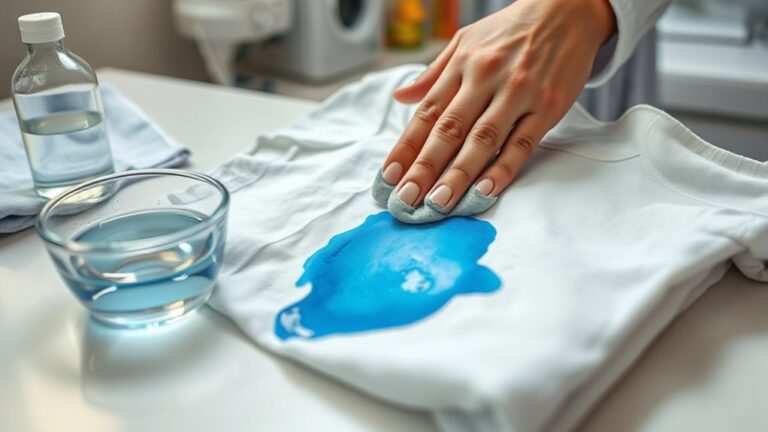
For water-soluble inks, adding water or applying heat can make the message disappear. Chemical-based inks might need specific solvents or cleaning methods.
Keep in mind, some invisible inks are permanent and can’t be erased once applied. Always test a small area first to avoid damage, and check what the ink is made of before trying to remove it.
Are There Health Risks Associated With Using Invisible Ink?
Invisible ink can pose health risks if you’re not careful, kind of like walking on a tightrope without a safety net. Some inks have chemicals that might irritate your skin, eyes, or respiratory system if you inhale or touch them repeatedly.
Always use it in well-ventilated areas and follow safety guidelines. If you’re unsure about what’s in the ink, check the labels or ask experts to avoid any surprises that could harm your health.
How Long Does Invisible Ink Typically Last on Surfaces?
Invisible ink usually lasts from a few hours to several days on surfaces, depending on factors like the ink type, surface material, and environmental conditions.
If you use water-based ink, it might fade faster when exposed to light or moisture. Oil-based or permanent invisible inks tend to last longer, often weeks.
To make it last as long as possible, keep the surface protected from direct sunlight, moisture, and friction.
Is Invisible Ink Detectable by Common Household Items?
Yes, invisible ink can sometimes be detected by common household items. For example, a UV flashlight or blacklight can reveal certain types of invisible ink that fluoresce under ultraviolet light.
Moreover, iodine or lemon juice can sometimes help highlight the ink if it reacts with the substance. However, not all invisible inks are detectable with household items, especially those designed to be completely invisible without specialized tools.
Can Invisible Ink Messages Be Easily Duplicated or Forged?
Invisible ink messages can often be duplicated or forged if you don’t take precautions. Think of it as trying to keep a secret in a crowded room—someone might overhear or imitate it.
Skilled forgers can replicate the ink, especially if they have access to the same materials. To protect your messages, use unique inks or add extra security measures like special symbols or encryption.
Conclusion
So, now that you’re practically a spy in training, remember: invisible ink isn’t just for secret agents or childhood mischief. It’s a sophisticated tool that’s evolving faster than your ability to keep secrets.
Whether for security, marketing, or just impressing friends, choosing the right ink is essential. As technology advances, expect your clandestine communications to become more high-tech.
Because what’s more thrilling than hiding messages in plain sight, right? Stay clever, stay discreet. Using invisible ink wisely can make your secret messages truly stand out.