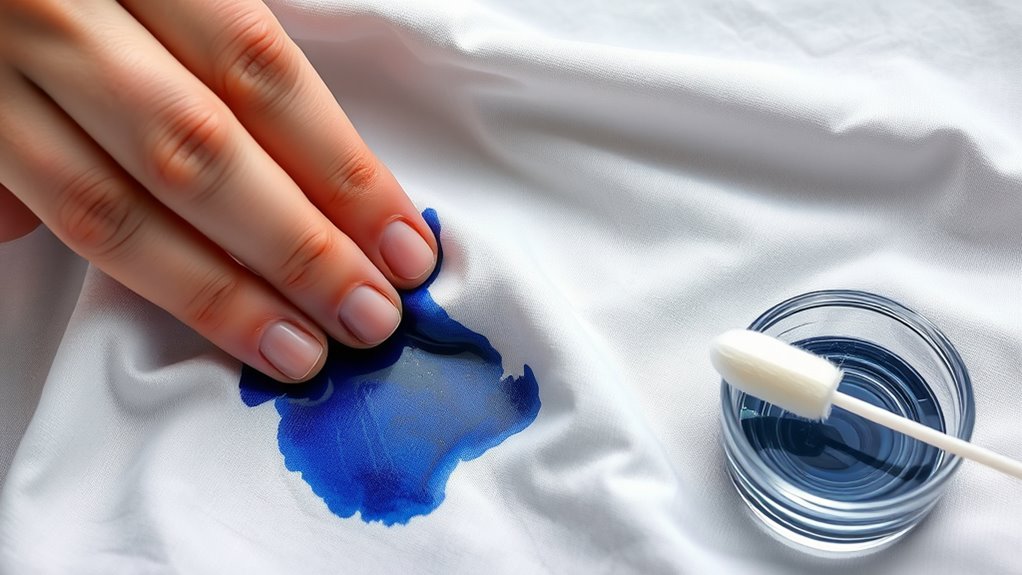
How to Take Ink Out of Fabric With This Step-By-Step Guide
Dealing with ink stains on fabric is a common frustration many people face. Whether it’s from a pen leak or a creative project gone wrong, removing ink can feel daunting.
You’re not alone—most folks struggle with getting ink out of their favorite clothes or linens. Luckily, with the right approach, you can tackle those stubborn stains effectively.
To remove ink from fabric, act quickly to pre-treat the stain with rubbing alcohol or a gentle detergent, testing small areas first. Blot gently without rubbing, then rinse with cold water.
Use the appropriate method based on whether the ink is water- or oil-based, and handle delicate fabrics carefully.
For stubborn stains, repeat the process or try special cleaning techniques.
If you want to uncover more effective tips and tricks, keep exploring this step-by-step guide.
Key Takeaways
- Act quickly to treat the ink stain before it dries and bonds with the fabric.
- Identify whether the ink is water-based or oil-based with a small test. This helps you choose the right removal method.
- Pre-treat the stain with rubbing alcohol or a gentle solvent. Then, gently blot the stain—avoid rubbing, which can spread the ink.
- Rinse the fabric with cold water. Keep blotting to lift the ink gradually.
- Always check the stain before drying. Heat can set the ink permanently, making it much harder to remove later.
How Do You Identify Your Ink Type?
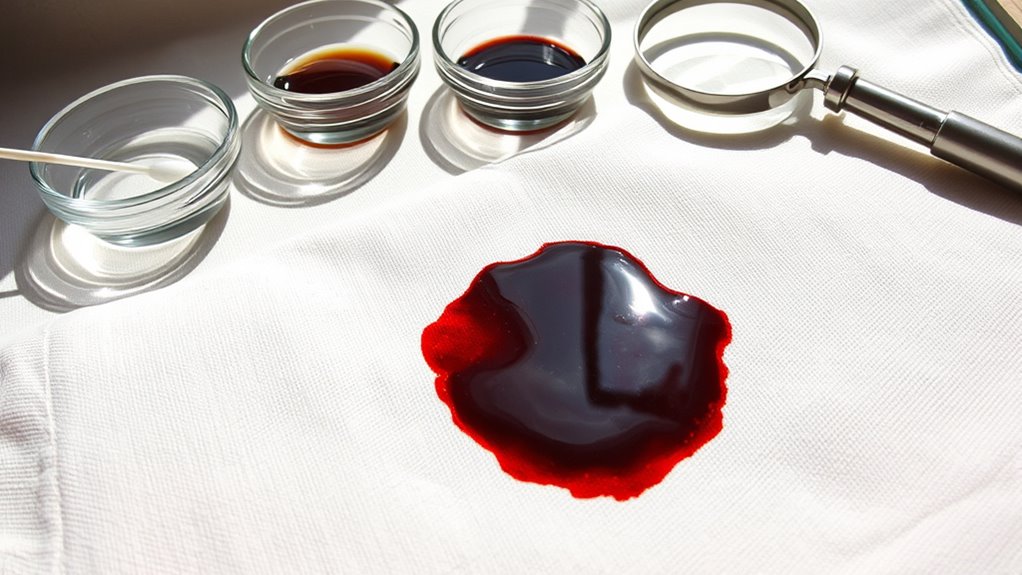
Are you unsure about what kind of ink has stained your fabric? To identify the ink type, start by testing a small area with a damp cloth.
If the stain lifts or spreads easily, it’s likely water-based ink, like from washable markers or gel pens. Water-based inks respond well to cold water and mild detergents.
However, if the stain doesn’t lift easily and seems resistant, it’s probably oil-based ink, such as from ballpoint pens or permanent markers. Permanent ink is designed to be resistant, so it might need special stain removers or solvents like rubbing alcohol.
Check the source of the stain. Permanent markers are more stubborn, while washable inks are easier to remove. Testing the fabric helps you choose the right removal method.
Why Are Ink Stains So Hard to Remove?
Ink stains are notoriously difficult to remove because they contain complex dyes and resins that bond tightly with fabric fibers. Permanent ink and oil-based inks are designed to be long-lasting, which makes them resistant to regular cleaning methods.
The ingredients, like dyes suspended in solvents and resins, penetrate deeply into the fabric fibers. This causes the stain to set and become harder to remove over time. When ink dries, it forms stronger chemical bonds with the fibers, making removal even tougher.
The longer a stain sits, the more the ink bonds chemically with the fabric. This reduces how effective water or mild detergents are at cleaning it. Plus, some inks have additives like wetting agents and preservatives that make removal more difficult.
All these factors combine to create a stubborn stain that needs specialized treatment. This helps break the chemical bonds and lifts the ink more effectively.
How to Pre-Treat Ink Stains Effectively
Pre-treating ink stains properly can really make a difference in how easily they come out. Start by applying rubbing alcohol or an alcohol-based product directly onto the stain to loosen the ink particles. Let it sit for a few minutes to break down the ink before blotting or scraping.
For stubborn stains, gently rub or massage a stain remover or detergent into the fabric after pre-treating. Use a clean cloth or paper towel to blot, lifting as much ink as possible before washing.
Always test the pre-treatment method on a hidden part of the fabric first. This helps avoid discoloration or damage. Proper pre-treatment helps ensure you won’t spread the ink or cause unnecessary harm to the fabric.
Best Techniques for Removing Ink From Different Fabrics
The best way to remove ink depends on the fabric type and ink you’re dealing with. Rubbing alcohol or acetone-based products work well on oil-based inks.
Water-based inks respond better to cold water and gentle detergents. Be especially careful with delicate fabrics like silk and wool, using mild treatments to avoid damage.
Rubbing Alcohol Application
Applying rubbing alcohol effectively requires precision and care to prevent spreading the stain. Start by applying 90% rubbing alcohol directly onto the ink stain using a clean cloth or cotton ball.
Gently blot from the outside of the ink stain inward. This helps lift the ink from the fabric fibers without spreading it further. Use fresh, clean sections of the cloth or cotton ball each time to avoid re-depositing ink.
Allow the alcohol to sit on the fabric for a few minutes, giving it time to loosen the ink. Once it’s loosened, blot again or rinse the area thoroughly with cold water.
This helps remove both the residual ink and alcohol, leaving your fabric cleaner.
Water-Based Ink Strategies
Since water-based ink dissolves easily in water, acting quickly is key to preventing a stubborn stain. Immediately rinse with water to dilute the ink and reduce its set-in potential.
Gently blot the stain with a damp cloth, avoiding harsh rubbing that can spread the ink. Use a gentle treatment with laundry detergent mixed with water to lift the stain from most fabrics.
For stubborn marks, soak the fabric in a water and oxygen-based bleach solution like OxiClean. This helps break down water-dissolvable ink. Always rinse with water after treatment to remove any residue.
This approach works well on various fabrics, but for delicate materials like silk or wool, stick to blotting and mild detergent to prevent damage.
Delicate Fabric Caution
When dealing with delicate fabrics like silk, wool, or lace, gentle treatment is essential to avoid damage while removing ink stains. These fabrics need careful handling to prevent fiber damage during stain removal.
Always perform a patch test on a hidden area before applying any solutions. Use mild detergents and avoid harsh solvents like rubbing alcohol or acetone, which can cause discoloration or weaken fibers.
Focus on blotting with cold water rather than scrubbing, and minimize friction to protect fragile fibers. Test stain removers in hidden areas first to ensure they won’t cause damage.
Use gentle blotting instead of rubbing to avoid harming the delicate fabric. Avoid harsh solvents like acetone or alcohol altogether.
When in doubt, opt for professional dry cleaning to keep your fabric safe. Stick to mild detergents for safe and effective stain removal.
Troubleshooting Persistent or Dried Ink Stains
Dried ink stains can be especially tricky because the ink has already set deeply into the fabric fibers. For stubborn or set-in stains, you’ll probably need to repeat the treatment several times.
Use a solvent like rubbing alcohol or a specialized stain remover and let it sit for at least 15-30 minutes. Be gentle—avoid scrubbing aggressively, as that can spread the stain or push it further into the fabric.
Instead, gently treat the stain and give the solvent time to loosen the ink. Check the stain after each treatment before drying, because heat can permanently set dried ink stains if they aren’t fully removed.
Patience and multiple applications are often needed to completely lift stubborn or dried ink.
Tips to Prevent Ink Stains and Keep Your Clothes Looking Fresh
To keep your clothes looking fresh, handle ink carefully and always store pens tightly capped.
Act quickly if a spill occurs to minimize staining and prevent it from setting. Taking these simple steps helps protect your fabric and makes stain removal easier later on.
Handle Ink Carefully
Handling ink carefully is essential to prevent unwanted stains and keep your clothes looking their best. Proper handling minimizes the risk of ink spreading or spilling onto fabric. Always follow the care label instructions before handling ink products.
Store pens and markers upright, away from edges to prevent tipping. Use caps or lids securely when not in use to avoid ink drying out or spilling unexpectedly. Keep ink applicators away from clothing until you’re ready to use them, and work on a protected surface to reduce accidents.
When contact occurs, act immediately by blotting with a clean cloth to prevent ink from setting deeper into the fabric. Protective measures like these help maintain your clothes’ appearance and make stain removal easier down the line.
- Handle pens and markers carefully
- Store ink products upright and away from edges
- Use caps or lids securely when not in use
- Keep applicators away from clothing until use
- Act immediately to blot ink contact
Act Quickly When Stained
Ever wonder why acting quickly is so important when ink hits your fabric? When you spot an ink stain, you need to jump into action fast to stop the ink from sinking deeper into the fibers.
Start by gently blotting the stain to lift out the excess ink. Be careful not to rub, because that can spread the stain even more. Then, rinse the fabric with water to help dilute the ink.
Next, apply rubbing alcohol directly to the stain for better results. Fresh ink stains are much easier to remove with simple steps like blotting and rinsing, which also mean you won’t need harsher chemicals later.
Waiting too long allows the ink to dry and bond with the fabric, making it much harder to remove. Acting quickly helps protect your clothes’ color and texture, giving you a better shot at getting rid of that stain completely.
Frequently Asked Questions
What Is the Best Way to Get Ink off Fabric?
The best way to get ink off fabric depends on the type of ink.
For water-based ink, quickly blot with cold water and a bit of mild detergent.
If you’re dealing with oil-based ink, try applying rubbing alcohol or a commercial stain remover. Then rinse and wash the fabric.
Always test any treatment on a hidden area first to avoid damaging the fabric.
Act fast, avoid rubbing too hard, and repeat treatments if needed to get stubborn or dried ink stains out.
Does Dawn Soap Remove Ink?
Oh, Dawn soap, the superhero of grease and oil, clearly moonlights as an ink assassin, right? Sadly, it’s not quite that impressive. While it might loosen some oil-based inks, it doesn’t have the magic touch for stubborn, permanent, or water-based stains.
For serious ink removal, you’ll want specialized agents like rubbing alcohol or OxiClean. Dawn’s degreasing powers alone just aren’t enough to wipe out ink effectively.
Does Toothpaste Remove Ink?
Yes, toothpaste can help remove ink from fabric, especially fresh stains. You apply a small amount directly onto the ink, then gently scrub with your fingers or a soft brush.
The mild abrasives in toothpaste help lift the ink, but it’s more effective on water-based inks and fresh stains. Afterward, rinse thoroughly with cold water.
Keep in mind, toothpaste isn’t foolproof and may discolor your fabric if not tested first.
Can Dried Pen Ink Come Out of Clothes?
Dried pen ink can come out of clothes, but it’s more challenging than fresh stains. You need to be patient and use the right methods, like applying rubbing alcohol or commercial stain removers to lift the ink.
Keep in mind, success depends on the ink type and fabric. You might need multiple treatments, especially for permanent or oil-based inks.
Avoid heat, as it can set the stain further and make it harder to remove.
Conclusion
Imagine your favorite shirt, once pristine, now marred by a stubborn ink stain. With these step-by-step tips, you can breathe new life into your fabrics and turn chaos into clarity.
By understanding your ink, pre-treating carefully, and selecting the right removal techniques, you’ll keep your wardrobe looking fresh and vibrant.
So grab your cleaning supplies and let the transformation begin. Your clothes are just a few easy steps away from looking as good as new.
And if you’re dealing with ink stains, remember—knowing how to take ink out of fabric is the key to saving your favorite pieces.