How Do You Safely Remove Printer Ink From Skin?
Getting printer ink on your skin can be frustrating, and many people struggle with how to remove it safely. If you’ve ever found yourself with ink stains, you’re not alone—it’s a common mishap that can be tricky to clean. The good news is, there are simple and effective ways to get rid of it without harming your skin.
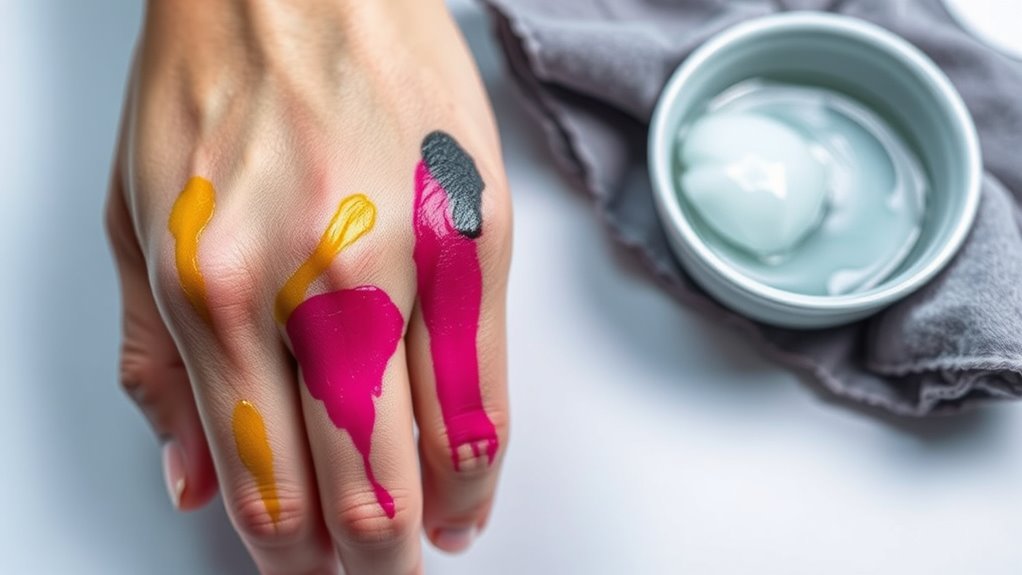
To safely remove printer ink from your skin, start with warm water and mild soap, gently washing the stained area. If the ink persists, dab a small amount of rubbing alcohol with a cotton ball, being careful not to scrub harshly.
Household items like baby oil or olive oil can also loosen stubborn stains. Always protect your skin with moisturizer afterward to prevent irritation.
For more helpful tips, keep exploring effective ways to keep your skin healthy and clean.
Key Takeaways
- Gently wash the area with warm water and mild soap to lift printer ink from the skin.
- Rinse thoroughly to remove any soap residue.
- Sometimes, plain soap and water are enough to do the trick.
- For stubborn stains, you can try using skin-safe products like rubbing alcohol or hand cleaners such as GoJo.
- Apply a small amount and gently rub it in.
- Be careful not to scrub too hard to avoid irritating your skin.
- If the ink still won’t come off, cautiously use a small amount of acetone-based nail polish remover.
- Rinse the area well afterward to get rid of any residue.
- Keep in mind, acetone can be harsh, so don’t use it too often.
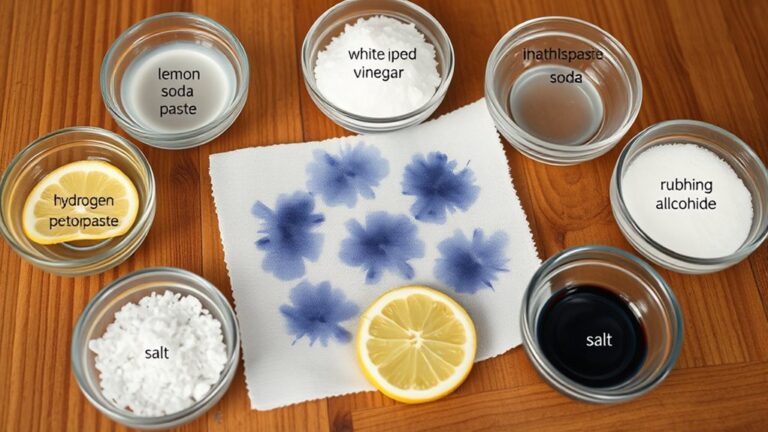
- For persistent ink, household options like baby oil, olive oil, or a baking soda paste can help.
- Dab a bit on the stain and gently rub in.
- Let it sit for a few minutes before washing off with soap and water.
- After cleaning, remember to moisturize your skin.
- This helps prevent dryness and keeps your skin healthy.
- Taking good care of your skin afterward is always a smart move.
Why Promptly Removing Printer Ink From Skin Matters
Removing printer ink from your skin promptly is important because it stops the ink from sinking in deeper and becoming harder to clean later.
Removing ink quickly prevents it from sinking deeper and becoming harder to clean later.
When you act quickly, you also reduce the risk of skin irritation, allergic reactions, or chemical burns from prolonged contact with the ink.
Prompt cleaning helps prevent stubborn stains that are tough to remove over time.
By addressing the ink right away, you can avoid using harsh chemicals or abrasive scrubbing that might damage your skin.
Plus, quick removal minimizes ink transfer to your clothes or surfaces, saving you cleanup effort.
Taking action early makes ink removal safer and easier, helping keep your skin healthy and stain-free.
What Supplies Are Safe and Effective for Ink Removal
When choosing supplies to remove printer ink from your skin, it’s important to pick options that are both effective and safe. Rubbing alcohol and hand cleaners like GoJo or Goop are great choices because they break down stubborn stains without harming your skin.
Nail polish remover with acetone can work quickly, but use it carefully since it can cause dryness and irritation. Household items like soap and water, baby oil, or lotion-based cleaners are gentle alternatives that help lift ink safely.
Commercial ink removal wipes, such as Tub O’ Towels, are made specifically for skin. They clean effectively while also moisturizing, which is helpful. Always choose products that focus on safety and skin compatibility to avoid damage.
Start With Gentle Soap and Water
Begin by washing your skin with warm water and a mild soap to gently lift the ink. Use a soft cloth or brush to scrub lightly, helping remove stubborn stains without irritating your skin.
After rinsing thoroughly, remember to moisturize to keep your skin healthy and hydrated.
Effective Hand Washing Techniques
To effectively start the cleaning process, rinse your hands thoroughly with warm water to loosen the ink from your skin.
Proper hand washing involves using warm water to help break down the ink particles. Apply a small amount of mild liquid soap and gently lather, focusing on the stained areas to lift the ink.
If needed, use a soft brush or old toothbrush to gently scrub without irritating your skin. After scrubbing, rinse your hands well with warm water to wash away the soap and dissolved ink residues.
Be sure to thoroughly rinse all soap from your skin. Dry your hands with a clean towel. If ink stains remain, repeat the process for better results, ensuring your skin stays clean and free of ink.
Importance of Moisturizing After
After thoroughly washing off the ink, moisturizing your skin is essential to restore its natural oils and prevent dryness. It helps replenish the skin’s barrier, which can be stripped away during cleaning.
Using a gentle lotion or aloe vera soothes irritation and reduces skin dryness caused by harsh cleaning agents. Proper hydration improves the skin barrier, making it more resistant to future ink stains and damage.
Applying moisturizer immediately after cleaning can calm redness and irritation, promoting faster recovery. Regularly moisturizing keeps your skin soft, healthy, and resilient.
Aloe vera, in particular, offers soothing benefits that help reduce inflammation and support skin healing. Prioritizing moisturizing after ink removal is a simple step to maintain skin health and prevent discomfort.
How to Use Rubbing Alcohol Safely on Your Skin
When using rubbing alcohol on your skin, put a small amount on a cotton ball and gently rub it on the ink stains.
Make sure you’re in a well-ventilated area and only leave it on for a short time to avoid dryness or irritation.
Afterward, rinse your skin thoroughly with soap and warm water, then apply moisturizer to keep your skin healthy.
Proper Application Techniques
Using rubbing alcohol safely on your skin requires a gentle approach to avoid irritation. Start by applying a small amount of rubbing alcohol to a clean cotton ball or pad.
Gently dab the cotton ball onto the ink-stained area, avoiding harsh rubbing or scrubbing. Use a light, circular motion to lift the ink without applying too much pressure, which can irritate your skin.
Remember, the goal is to loosen the ink, not damage your skin. After treatment, rinse the area thoroughly with soap and water to remove any leftover alcohol or ink residue.
Finally, pat your skin dry and apply moisturizer to prevent dryness and irritation caused by the alcohol. Proper application techniques help ensure safe and effective ink removal without harming your skin.
Skin Care After Use
To guarantee your skin stays healthy after using rubbing alcohol, it’s important to follow proper skin care steps immediately afterward. Start by washing the treated area thoroughly with soap and warm water to remove any residual chemical and ink residue.
Limit rubbing alcohol contact to no more than a minute to reduce skin irritation and prevent damage. After cleaning, gently pat your skin dry and apply a moisturizer or skin lotion to restore moisture and prevent dryness or irritation.
Proper hand care is essential, especially if you’re working in a well-ventilated area, to protect your skin from additional irritation. Remember, skin protection is key—using moisturizer acts as a barrier, keeping your skin healthy and comfortable after post-cleaning.
Household Tips for Stubborn Ink Stains
Stubborn ink stains on your skin can be tricky, but household items offer effective solutions. For tough ink stains, using rubbing alcohol or hand sanitizer with at least 60% alcohol content can dissolve the ink quickly.
Gently scrubbing with a mixture of dish soap and warm water, along with a soft brush or cloth, helps lift dried ink without irritating your skin. You can also lightly use a magic eraser or pumice stone to remove surface stains—just be careful to avoid skin damage.
Household products like baking soda paste or olive oil can loosen persistent stains, making them easier to wash away. Remember to rinse promptly with warm water and soap immediately after ink contact to prevent stains from setting and reduce the effort needed for removal.
Common Mistakes That Cause Skin Irritation
Many common mistakes when removing printer ink from skin can lead to irritation or injury, so it’s important to be cautious. Using harsh chemicals like acetone or bleach directly on your skin without proper dilution can cause severe irritation or chemical burns.
Avoid harsh chemicals and aggressive scrubbing to prevent skin irritation and injury.
Scrubbing aggressively with abrasive tools damages the skin’s surface, increasing redness, abrasions, and sensitivity. Failing to rinse and moisturize afterward can result in prolonged dryness or dermatitis.
Applying ink removal products meant for surfaces or fabrics directly onto your skin without testing or guidance may trigger allergic reactions. Furthermore, neglecting to wear gloves during ink handling exposes your skin to irritants longer, raising the risk of irritation and burns.
Always handle ink carefully to protect your skin.
Tips to Protect and Moisturize Your Skin After Cleaning
After removing printer ink from your skin, it’s important to protect and hydrate your skin barrier. Wash your skin thoroughly with soap and warm water to remove any residue.
Next, apply a moisturizer or hand cream that contains aloe vera or vitamin E. These ingredients help soothe and hydrate your skin after cleaning.
Avoid overusing harsh chemicals or alcohol-based solutions, as they can strip moisture and cause dryness. If your skin feels tight or dry, reapply your moisturizer regularly.
For extra protection, consider using a barrier ointment or a gentle hand cream during future ink handling. These products help maintain your skin’s natural barrier, preventing irritation and keeping your skin well-hydrated.
Frequently Asked Questions
What Takes Printer Ink off of Skin?
To remove printer ink from your skin, start with rubbing alcohol or hand sanitizer that has at least 60% alcohol.
Apply it gently with a cotton ball or cloth, then wipe away the ink.
If stubborn stains stay, carefully use acetone-based nail polish remover, but be cautious about skin irritation.
After that, wash your skin with warm water and dish soap, scrubbing gently to lift any remaining ink.
What Draws Ink Out of Skin?
You can draw ink out of your skin with oils like baby oil or coconut oil. These oils break down ink molecules, making them easier to lift away.
They’re powerful enough to seem like magic, pulling stubborn ink stains right out. Gently massaging the oil onto the stained area helps draw the ink to the surface.
Once the ink is lifted, you can wipe it away with a tissue or cloth easily.
Does Dawn Dish Soap Remove Ink?
Yes, Dawn dish soap can help remove ink from your skin. Its grease-cutting formula breaks down ink stains effectively.
Just apply warm water and a small amount of Dawn, then gently scrub the stained area.
For stubborn ink, you might want to combine Dawn with rubbing alcohol.
Be gentle to avoid skin irritation, and make sure to rinse thoroughly to remove all ink and soap.
Will Ink Eventually Come off Skin?
Yes, ink will eventually come off your skin. Regular washing with soap and water helps, but it might take a few days or longer, especially for stubborn stains.
Using rubbing alcohol or specialized ink removers can speed up the process. Just be gentle with your skin and avoid scrubbing too hard to prevent irritation.
Consistent cleaning will gradually fade the ink until it’s completely gone.
Conclusion
Think of your skin as a delicate canvas, and printer ink as stubborn paint trying to cling on. With gentle care and the right tools, you can wipe away those stubborn stains without leaving scars.
Remember, patience and gentle hands are your brushes, not harsh chemicals.
By treating your skin kindly, you’re not just removing ink—you’re restoring the beauty of your natural canvas.
This way, you’re ready for new creations with every gentle stroke, safely removing printer ink from your skin.