Can Ink Come Out of Clothes?
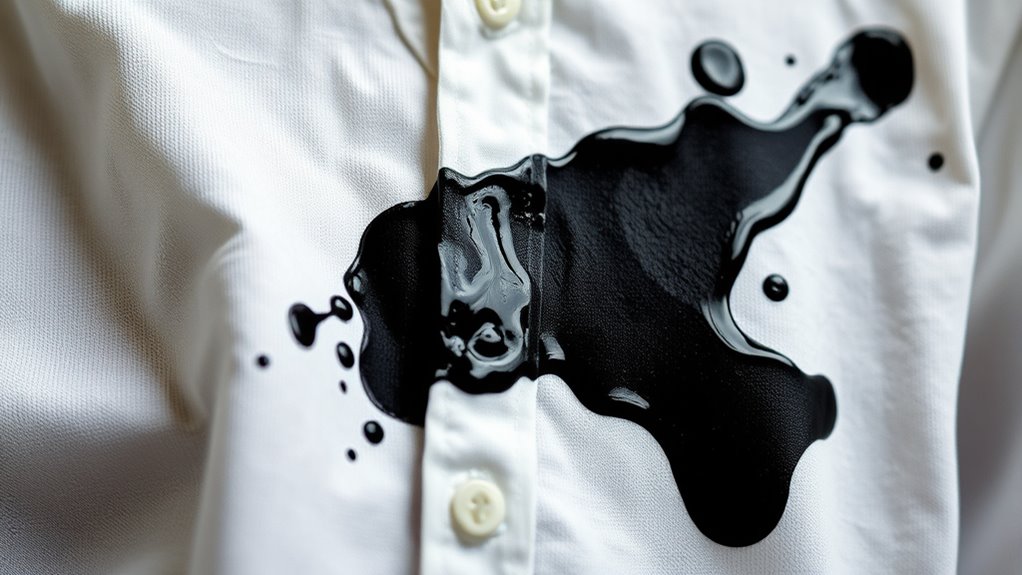
Got ink stains on your clothes and feeling panicked? You’re not alone—many people struggle with removing ink from their favorite outfits. Luckily, with quick action and the right techniques, you can often get ink out of clothes before it sets in.
Yes, ink can come out of clothes if you act quickly and use the right methods. Fresh ink stains are easier to remove with household items like rubbing alcohol or hand sanitizer, but you need to blot, not rub, and rinse with cold water immediately.
For stubborn or delicate fabrics, professional cleaning might be your best bet. If you want to uncover the most effective techniques, tips, and precautions, there’s more to investigate.
Key Takeaways
Ink can often be removed from clothes if treated promptly with the right cleaning methods.
Water-based inks are generally easier to get out than permanent or alcohol-based inks.
If you catch the stain early, using household solvents like rubbing alcohol or hand sanitizer can help lift it.
Be sure to act quickly because delaying treatment or drying the stain with heat can set it in, making it much harder to remove.
For stubborn or delicate fabrics, you might need to take your clothes to a professional cleaner.
Can You Remove Ink Stains From Clothes? What You Need to Know
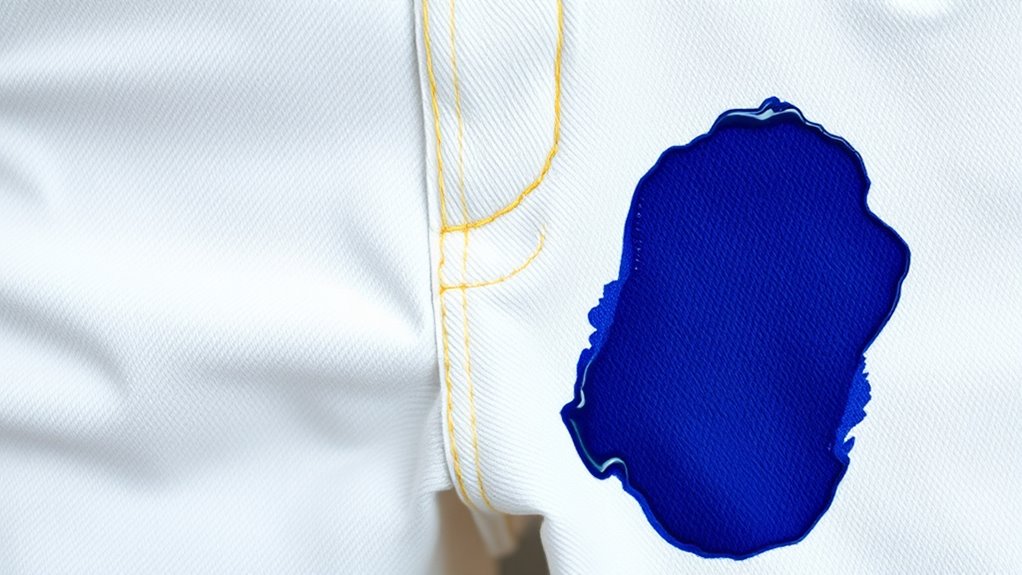
Removing ink stains from clothes is often doable if you act quickly and choose the right method. When dealing with ink stains, your first step is to figure out whether it’s water-based or oil-based, as this will guide your approach.
For water-based ink, a stain remover with alcohol, like rubbing alcohol or hand sanitizer, can work well. Dried ink stains are tougher but not impossible; you can try specialized stain removers or solvents to break down the ink.
Always test your stain remover on a hidden part of the fabric first to avoid damage or color bleeding. Repeating the treatment and washing thoroughly can improve your chances of success.
The Most Effective Household Methods for Removing Ink Stains Quickly
Quick action is key when removing ink stains, so act fast to prevent it from setting.
Household solutions like rubbing alcohol or hand sanitizer can work really well if you use them carefully. Just make sure to test first on a small area.
After treating the stain, rewash the garment to make sure all the ink and residue are completely gone.
Quick Action Matters
Ever wonder why acting quickly is so important when ink spills on your clothes? The sooner you respond, the better chance you have of preventing the stain from setting permanently.
Start by gently blotting away the excess ink with a clean cloth or paper towel. This lifts the stain without spreading it further.
Next, rinse the fabric immediately with cold water. This helps dilute the ink and keeps it from sticking deeper into the fibers.
Applying household solvents like rubbing alcohol or hand sanitizer right away can really boost your chances of removing the stain. The longer you wait, the more the ink sets, making it harder to get out.
Safe Household Solutions
Have you ever noticed how household products like rubbing alcohol, hand sanitizer, or hairspray can lift ink stains from fabric? These solutions are some of the most effective for removing ink quickly.
To keep your fabric safe, always test these products on an inconspicuous spot first. When treating ink stains, act fast while the ink is still wet to prevent it from setting further.
Gently blot or dab the stain with your chosen household solvent—don’t rub, as that could spread or embed the ink deeper. After treatment, let your clothes air dry so you can see how well the stain is coming out.
Avoid using heat to dry your clothes until you’re sure the stain is gone, because heat can set any remaining ink. Using these safe household solutions can help you remove ink without damaging your fabric.
Do Different Types of Ink Require Different Removal Strategies?
Since different inks have unique compositions, they often need specific removal strategies to work effectively. For example, water-based inks are easier to remove with just water and mild detergents, making stain removal pretty straightforward.
Permanent inks usually require stronger solvents like rubbing alcohol or specialized stain removers. Ballpoint ink, which contains dyes and oils, responds well to alcohol-based treatments. Fountain pen ink might need tailored solutions depending on its resin content.
Delicate fabrics like silk and wool need gentler methods to avoid damage or setting the stain further. Recognizing the ink type is key because some inks resist traditional cleaning methods and need targeted strategies for effective stain removal.
How to Remove Ink From Shirts and T-Shirts: a Step-By-Step Guide
To effectively remove ink from your shirts and T-shirts, act quickly and follow proper techniques. Gently blot the stain to lift as much ink as possible.
Next, apply a small amount of rubbing alcohol or hairspray directly onto the stain. Let it sit for a few minutes to break down the ink.
Afterward, rinse the area with cold water to flush out the ink and alcohol or hairspray. Then, wash the shirt in hot water with a stain remover.
Always check the stain before drying. If it’s still visible, repeat the treatment. This helps prevent permanent damage to your fabric.
Effective Stain Removal Techniques
Act quickly when dealing with ink stains on shirts and T-shirts to prevent them from setting permanently. To remove ink stains effectively, start by gently blotting the stain with rubbing alcohol or hand sanitizer, saturating the area without rubbing. This helps loosen the ink particles.
Let the solvent sit for 5-10 minutes to improve the chances of removal. Next, rinse the fabric with cold water to wash out the loosened ink. Pretreat the stain with a stain remover like Tide Ultra Stain Release, gently working it into the fabric with a soft brush or cloth.
Finally, wash the shirt or T-shirt in the hottest water suitable for the fabric, then check the stain before drying. Using water and the right stain remover is key to successful ink stain removal.
Precautions and Best Practices
When removing ink stains from shirts and T-shirts, it’s important to take safety precautions and follow best practices to avoid damaging the fabric or making the stain worse. Always test a small, hidden area of the shirt with your stain removal product first, so you don’t risk color bleeding or fabric damage.
Act quickly on fresh ink stains because delaying treatment allows the ink to set, making it much harder to remove. Gently blot the stain with a clean cloth or paper towel instead of rubbing, which could spread the ink further.
Use a suitable solvent like rubbing alcohol or hand sanitizer carefully, and let it sit for a few minutes. Be sure to avoid drying the shirt with residual ink stains, as heat can set the stain permanently. Air dry the shirt and re-treat if needed.
Tips for Getting Ink Out of Jeans and Denim
Getting ink out of jeans and denim can be pretty simple if you act quickly. When dealing with ink stains, timing is everything.
Use rubbing alcohol by gently dabbing it onto the stain with a cotton ball. This works really well for removing ink from denim. If the ink has dried, soak the stain with alcohol and let it sit for a few minutes to loosen up the ink.
Gently dab with rubbing alcohol, then soak dried ink for best denim stain removal results.
Be careful not to rub or scrub too hard, as that can damage the fabric or spread the stain further. Before applying alcohol, test it on a hidden part of your denim to make sure it won’t cause discoloration.
After treating the stain, rinse thoroughly and then wash your jeans as usual. Acting quickly with rubbing alcohol is your best shot at removing stubborn ink stains from jeans and denim.
How to Remove Ink Stains From Delicate Fabrics Like Silk and Wool
When treating ink stains on silk or wool, start by testing a small, hidden area with a gentle cleaning solution to make sure it won’t cause damage.
Use specialized stain removers made for delicate fabrics, and always follow the instructions on the label carefully.
If you’re unsure or the stain won’t come out, it’s a good idea to see a professional cleaner to protect your garments.
Gentle Testing Procedures
Before trying to remove ink stains from delicate fabrics like silk and wool, it’s really important to do a patch test on a hidden area first. This way, you can make sure the fabric won’t lose its color or get damaged during cleaning.
To do this safely, try testing mild solutions like diluted vinegar or special stain removers on a small spot first. Use cold water and gently blot—don’t rub hard—so you don’t harm the fibers.
For silk, it’s best to consider professional cleaning or carefully testing gentle solutions. With wool, you might dampen a cloth or try hairspray, then rinse with cold water to avoid shrinking or felting.
Always check the care labels on your clothes and avoid exposing them to heat. Doing a patch test is your best way to protect delicate fabrics while removing stains.
Suitable Cleaning Agents
To effectively remove ink stains from delicate fabrics like silk and wool, choosing the right cleaning agents is key. Harsh chemicals like acetone or bleach can damage these fabrics, so go for gentle, specialized stain removers made for delicate textiles.
For silk, start by blotting with cold water. Before applying any stain remover, test it on a hidden area to make sure it won’t harm the fabric. Wool stains can often be treated with a damp cloth, hairspray, or a vinegar solution, but avoid scrubbing too hard to prevent fiber damage.
Always do a patch test with any cleaning product to check it’s safe for your fabric. If you’re unsure, it’s best to consult a professional cleaner to avoid permanent damage and get the best stain removal results.
Professional Care Recommendations
Are you unsure how to safely remove ink stains from delicate fabrics like silk and wool? Professional care is your best option to protect the fabric’s integrity. Trying home methods can sometimes cause damage, so consulting a professional cleaner is the safest bet for effective removal.
Before you start any treatment, always do a spot test on an inconspicuous area. This helps prevent discoloration or damage. Use specialized solvents, like dry cleaning solutions, carefully and only under professional guidance.
Key tips include relying on professionals for delicate fabrics and always testing first. Use specialized solvents cautiously, and avoid home remedies that could harm the fabric.
Following these steps helps preserve the delicate fibers and prevents further damage. Trusting professionals gives you the best chance to remove ink stains without risking the quality of your fabric.
Mistakes That Worsen Ink Stains and How to Avoid Them
Rubbing or scrubbing an ink stain can make things worse by spreading the ink and pushing it deeper into the fabric fibers. Instead of helping, vigorous scrubbing can lock the stain in more securely. Using hot water on ink stains can set the stain permanently, making it much harder to get out later.
Be careful with stain removers; using too much or applying them without testing can damage the fabric or cause colors to bleed, making things worse. Ignoring the stain and delaying treatment allows the ink to dry and set, which makes removal way more difficult.
Avoid harsh chemicals or abrasive tools, as they can weaken the fabric and make the stain look worse. To remove ink stains effectively, gentle methods and quick action are really important.
When Should You Seek Professional Help for Tough Ink Stains?
When ink stains are deeply embedded or have been ignored for a long time, DIY methods often fall short. If your attempts at removal haven’t worked, it’s time to consider professional help.
This is especially true for delicate fabrics like silk, suede, or leather, which can easily be damaged during removal attempts. If multiple household treatments fail to lift stubborn ink stains, consulting a professional cleaner is the safest option to prevent further fabric damage.
Long-term untreated ink stains also become harder to remove, increasing the risk of permanent damage. Seek expert assistance when the stain is on delicate fabrics, large or stubborn, or if DIY methods risk damaging the fabric.
How to Prevent Ink Stains From Setting Permanently
To prevent ink stains from setting permanently, it’s important to act quickly and handle the stain carefully. When dealing with fresh ink, avoid drying or applying heat because that can cause the stain to bond more deeply.
Rinse the fabric immediately with cold water to flush out as much ink as possible. For dried ink stains, alcohol-based solutions can work well if you apply them promptly before the stain sets.
Always test stain removal products on a small, hidden area first to avoid further damage or making the stain worse. Remember, applying heat, like hot water or putting the fabric in a dryer, can make the stain much harder to remove.
The key is to act fast and use the right techniques to prevent the ink from setting. This increases your chances of removing the stain successfully later on.
FAQS About Removing Ink From Clothes
Knowing the right questions to ask can make all the difference when trying to remove ink from clothes. If you’re dealing with ink stains, quick action is key.
To remove ink stains effectively, you can use alcohol-based solutions like rubbing alcohol or hand sanitizer. Remember, the success of stain removal depends on the type of ink and how soon you start treatment—dried or set-in stains are tougher and may need specialized stain removers.
Always test stain removal products on hidden areas first. For best results, repeat applications and wash thoroughly.
Keep in mind:
- Fresh ink stains are easier to remove than dried ones
- Use clean water for initial blotting
- Prompt stain removal improves success
- Professional cleaning may be necessary for stubborn stains
Frequently Asked Questions
Are Ink Stains Permanent on Clothes?
Ink stains aren’t always permanent on your clothes. If you act quickly and treat the stain promptly, you have a good chance of removing it.
Dried or set-in ink is tougher but might still come out with specialized stain removers or professional cleaning. Permanent or oil-based inks are more resistant, but with patience and the right techniques, you can often improve or completely remove most ink stains.
Does Ink Come off of Clothing?
Did you know that quick action can boost your chances of removing ink from clothing by up to 80%? Yes, you can get ink out of your clothes if you treat the stain quickly with solvents like rubbing alcohol or hand sanitizer.
Dried ink stains are tougher but still removable with targeted treatments. Always test products first, and be patient—repeated applications often give the best results.
How Do You Get Dried Ink Out of Clothes?
To get dried ink out of clothes, start by testing a small hidden area with rubbing alcohol or a commercial stain remover. Apply it directly to the stain and let it sit for a few minutes.
Gently blot the area with a clean cloth, being careful not to spread the ink. Repeat the process if needed, then wash the garment thoroughly.
Patience and repeated treatments usually give the best results.
Does Dawn Soap Remove Ink?
Yes, Dawn soap can help remove ink from clothes. You should apply it directly to the stain and gently dab, especially while the ink is fresh.
Its grease-cutting properties break down the ink residues, making it easier to lift. For the best results, use cold water and avoid rubbing, which can spread the stain.
Keep in mind, you might need to apply it multiple times. The effectiveness also depends on the type of ink and fabric.
Conclusion
So, yes, ink can sometimes escape the fabric’s grasp, but with quick action and the right methods, you can often turn back the tide. Think of stains as stubborn guests at a party—they may linger, but with patience and the right approach, you can show them the door.
Keep these tips in mind, and you’ll be the master of your wardrobe’s fate. You can restore your clothes to their pristine state, just like a skilled artist restoring a masterpiece.
Remember, acting fast is key when dealing with ink stains. The sooner you tackle it, the better your chances of removing it completely.