How Do You Remove Ink Stains From Fabric?
Having ink stains on your favorite fabric can be incredibly frustrating—you’re not alone in this struggle. Many people find it tricky to remove ink without causing damage or making the stain worse. But don’t worry, there are simple ways to tackle these stubborn marks with the right approach.
To remove ink stains from fabric, act quickly and gently blot the stain with rubbing alcohol or a commercial stain remover, avoiding vigorous rubbing that can damage fibers. Test any solution on a hidden area first.
For fresh stains, alcohol works well, while dried ink may need multiple gentle applications. Different fabrics require specific care, and persistence is key.
To find effective tips for various fabrics and stubborn stains, check out the detailed methods ahead.
Key Takeaways
- Act quickly to blot excess ink with a clean cloth or paper towel before it sets.
- Use rubbing alcohol (at least 70%) to gently blot the stain. Avoid vigorous rubbing, as it can spread the ink or damage the fabric.
- Rinse the fabric with cold water after treatment to remove any residual ink and alcohol.
- For stubborn stains, repeat the alcohol application. You might also consider using specialized stain removers for tougher spots.
- Always test cleaning agents on a hidden part of the fabric first. This helps prevent any potential damage before treating the stain.
Why Ink Stains Are Difficult to Remove and What You Need to Know
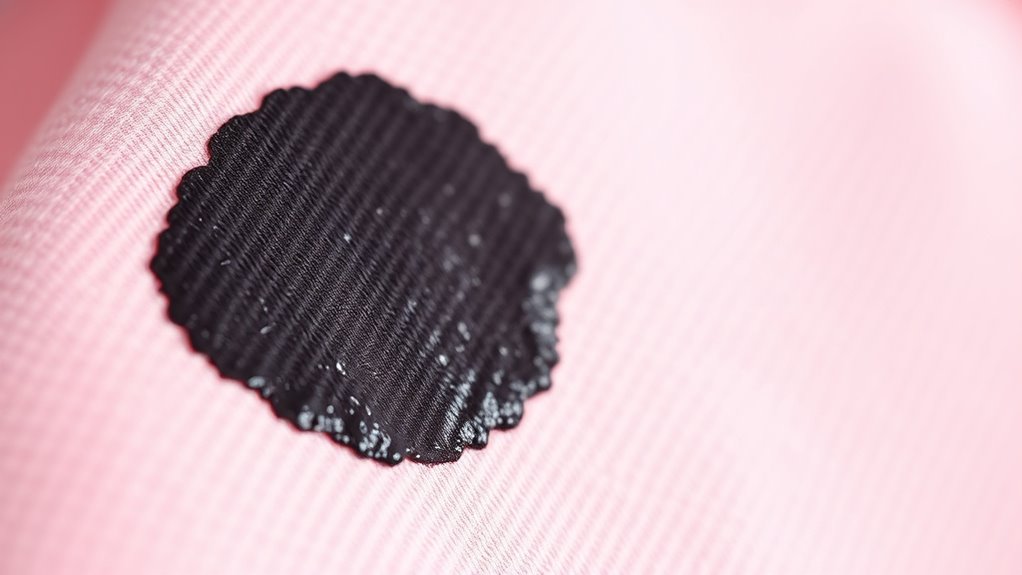
Ink stains are notoriously hard to remove because the dyes and resins in ink bond tightly with fabric fibers. This strong bonding makes simple washing ineffective, especially if the stain has dried and set into the fabric.
Water-based inks are easier to remove when fresh, but permanent or oil-based inks are much more challenging due to their composition. The success of stain removal depends on the type of ink, fabric, and how quickly you act.
Water-based inks are easier to remove when fresh, but oil-based inks require prompt action and specialized treatments.
Rubbing or scrubbing aggressively can damage fibers or spread the stain, making removal even harder. Dried ink stains often need specialized treatments like alcohol or stain removers to break down those bonds.
Knowing these factors helps you choose the right approach to minimize damage and improve your chances of success.
Gather Supplies and Prepare Your Fabric for Stain Removal
Start by laying your fabric flat on a clean surface. Place white paper towels underneath and inside the garment to absorb any excess ink.
Gently remove any dried ink or residue with a cloth or paper towel before applying stain remover. Gather all the supplies you’ll need, like rubbing alcohol or stain removers, so you’re ready to treat the stain effectively.
Pre-Treat With Care
Before applying any stain removal solution, gather all your supplies and prepare your fabric properly. To pre-treat stains on clothing, lay the ink-stained fabric flat on a clean surface with white paper towels underneath and inside the garment.
This setup helps absorb excess ink and prevents it from spreading. Get materials like rubbing alcohol, hand sanitizer, or stain remover ready ahead of time. Always test your chosen solution on a hidden spot first to make sure it won’t damage or discolor the fabric.
Make sure your workspace is clean and dry to avoid adding new stains or hurting the fabric during pre-treatment. Setting up everything properly and carefully pre-treating the stain boosts your chances of successfully removing ink from your fabric.
Gather Essential Materials
Gathering your supplies and preparing your fabric are important steps to ensure the stain removal process goes smoothly. Before you begin, make sure you have all the essential materials ready. This includes rubbing alcohol, hand sanitizer, cotton pads, and a gentle detergent.
Having everything on hand saves you time and helps prevent interruptions once you start. To prepare your ink-stained fabric, lay it flat on a clean, stable surface. This keeps the stain from spreading.
Place white paper towels underneath and inside the garment. This will help absorb any excess ink. Also, check the fabric’s care label to make sure it can handle the stain removal methods you plan to use.
Being organized and prepared makes the stain removal process more effective and less messy.
How to Remove Ink Stains From Fabric With Household Solutions
Wondering how to lift ink stains from fabric using household items? The best method is to apply rubbing alcohol, which can effectively remove ink.
Start by testing a small, hidden area of your fabric to check for discoloration. Then, soak a cotton pad or clean cloth in rubbing alcohol containing at least 70% alcohol.
Gently blot the ink stain, avoiding vigorous rubbing that could damage the fabric. Once the stain begins to lift, rinse the area with cold water to wash away residual ink and alcohol.
For stubborn stains, repeat the process several times until the ink fades. Afterward, launder the fabric as usual.
This simple household solution can help you remove ink stains efficiently without special products.
Removing Ink From Cotton, Denim, Silk, and Leather
Removing ink from different fabrics requires tailored approaches to prevent damage. For cotton and denim, dried ink stains respond well to rubbing alcohol or hand sanitizer containing at least 60% alcohol. Apply it directly, then gently blot and rinse with cold water immediately to prevent the stain from setting further.
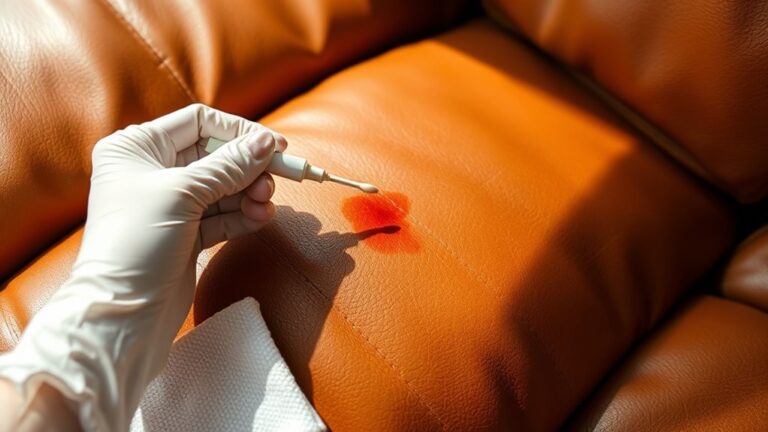
For stubborn stains, a mixture of white vinegar and baking soda can help lift the ink without harming the fibers. Imagine the stain softening and lifting away as you work. Keep in mind, silk and leather need gentler treatments—use specialized silk-safe removers or commercial leather cleaners.
Always test any solution on a hidden area first. Visualize a clean, stain-free fabric as your goal, achieved with careful, fabric-specific methods.
Troubleshooting Stubborn or Dried Ink Stains
When ink stains dry and become stubborn, you might need to use stronger solvents or repeat treatment processes to see results.
Pretreatment techniques like applying stain remover multiple times or soaking the fabric can also help improve your chances.
Always test first to avoid damaging the fabric, especially when using more aggressive methods.
Using Stronger Solvents
If you’re dealing with stubborn or dried ink stains, stronger solvents like isopropanol or high-concentration rubbing alcohol (90% or more) can be very effective. These solvents break down ink particles more aggressively, especially when combined with hydrogen peroxide for tough stains.
To get the best results, apply the solvent directly onto the stain and let it sit for several minutes. You might notice the ink starting to lift or loosen. For deeply set stains, repeat this process a few times, blotting gently after each application.
Visualize the stain softening, the fabric absorbing the solvent, and the ink gradually fading. Always test on an inconspicuous area first to avoid discoloration or damage. Stronger solvents are powerful tools in your stain removal arsenal.
Applying Pretreatment Techniques
Dealing with stubborn or dried ink stains usually means using a specific pretreatment method to loosen the ink before washing.
Start by applying a generous amount of rubbing alcohol or hand sanitizer directly onto the stain. Let it sit for at least 10-15 minutes to help break down the ink’s bonds.
Gently blot and lift the ink with a clean white cloth or cotton swab, being careful not to rub too hard, which could damage the fabric fibers. Repeat if needed, making sure each layer is absorbed before reapplying.
Once you’ve pretreated the stain, rinse the area thoroughly with cold water. Here’s a quick guide to help you through the process:
| Step | Action | Tip |
|---|---|---|
| 1 | Apply pretreatment | Use alcohol or sanitizer |
| 2 | Wait 10-15 minutes | Loosen the ink |
| 3 | Blot gently | Lift ink without damage |
| 4 | Rinse with cold water | Prepare for washing |
Repeating Treatment Processes
Repeated treatment processes are often necessary to fully remove stubborn or dried ink stains. You might need to reapply rubbing alcohol or hand sanitizer several times, gradually breaking down the ink fibers.
For deep-set stains, soaking the fabric in an OxiClean solution multiple times can boost stain removal before washing. Dried ink often responds best to several applications of targeted solvents like Max Force Spray, with waiting periods between each treatment to let the chemicals work.
Gently blot or scrub with alcohol or stain remover after each attempt to loosen the ink further. Patience is key, as some stains only lift after multiple treatment cycles.
If the fabric becomes blotchy as you work on it, don’t worry. Multiple applications of stain remover might pool on the fabric, but with each try, you’ll notice the ink gradually fading.
Alternative Household Methods for Tough Ink Stains
When traditional stain removers fall short, household products can be surprisingly effective for tough ink stains. Spray hairspray with alcohol directly onto the stain, wait 30 minutes, then wash. Rubbing alcohol or hand sanitizer with at least 90% alcohol helps loosen stubborn ink marks.
For extra effort, gently scrub the fabric with a toothbrush soaked in alcohol solutions. Always test on an inconspicuous area first to prevent damage. If the stain is from a permanent marker, these methods can lift the ink without harming delicate fabrics.
Remember, persistence is key, especially on textured fabrics or stubborn marks. Using common household items can save your favorite garment and avoid costly replacements.
| Household Product | Application Tip | Effectiveness |
|---|---|---|
| Hairspray | Spray, wait 30 min | Great for fresh stains |
| Rubbing Alcohol | Apply, scrub gently | Loosens ink well |
| Vinegar & Baking Soda | Soak & scrub | Breaks down ink |
Tips to Prevent Ink Stains and Keep Your Fabric Clean
Preventing ink stains starts with taking simple steps to keep your fabrics clean and protected. Store ink pens and markers away from clothing and fabrics to make accidental stains less likely.
Always test cleaning solutions on a small, hidden area before using them broadly. This helps prevent stains from getting worse.
Use fabric protectors or sprays designed to create a barrier against ink. They make it easier to stop stains from setting in.
When handling pens or markers near your clothes, keep your workspace tidy and free of ink spills. This reduces the risk of accidents.
Visualize a workspace where pens are stored safely, protective sprays are applied, and any spills are quickly blotted. These habits help keep your fabrics clean and looking good.
Frequently Asked Questions
How Do You Get Dried Ink Out of Fabric?
To get dried ink out of fabric, start by applying high-concentration rubbing alcohol or isopropanol directly onto the stain. Let it sit for a few minutes to loosen the ink fibers.
For stubborn stains, soak the fabric in OxiClean or a similar stain remover for several hours. Then, gently blot or scrub with a soft brush.
Always test any solution on a hidden area first to make sure it won’t damage the fabric or cause colors to fade.
Does Dawn Soap Remove Ink Stains?
Dawn soap isn’t the best at removing ink stains, but it can help loosen them a bit. You might see some improvement if you apply it directly and let it sit.
For full removal, it’s better to use alcohol-based treatments like rubbing alcohol or hand sanitizer. These tend to be more effective.
You can try combining Dawn with other stain removers, but don’t rely on it alone for ink stains.
What Is the Best Ink Stain Remover?
The best ink stain remover depends on your fabric type. For quick, effective results, try rubbing alcohol or 90% isopropanol, which dissolves ink fast.
For tougher stains or delicate fabrics, OxiClean Max Force or a paste made of white vinegar and baking soda can work well. Always test on a small area first.
Act promptly because immediate treatment really improves your chances of fully removing the stain.
What Removes Permanent Ink From Fabric?
To remove permanent ink from fabric, start by applying rubbing alcohol or a high-percentage isopropanol directly to the stain. Gently blot, avoiding rubbing too hard, and let it sit for a few minutes.
For stubborn stains, try using commercial stain removers like OxiClean Max Force or make a mixture of lemon juice and cream of tartar.
Repeat the process until the stain fades, then wash the fabric as usual.
Conclusion
Think of removing ink stains like tending a delicate garden—you need patience, the right tools, and gentle care. With each careful step, you’re nurturing your fabric back to life, undoing the damage like a gardener restoring a wilted flower.
Don’t rush the process; trust in your methods, and soon your fabric will bloom again, pristine and vibrant. Your patience and care are the sunlight that helps stubborn stains fade, leaving your cherished items beautifully renewed.
When tackling ink stains, remember that gentle treatment and persistence make all the difference. With the right approach, your fabric will look as good as new, free from those stubborn ink marks, and you’ll feel confident in your stain-removal skills.