The Ultimate Guide to Remove Ink From Clothes
Many people struggle with removing ink stains from their clothes, and it can be pretty frustrating. You’re not alone in this—stains happen, and knowing how to tackle them makes all the difference.
To remove ink from clothes, start by identifying the type of ink—water-based or oil-based—and the fabric you’re dealing with. Use gentle techniques like blotting with cold water or applying rubbing alcohol for stubborn stains, but always test first.
Avoid rubbing or drying before the stain’s gone to prevent setting it.
For tougher stains, consider household remedies or professional help.
Keep exploring for detailed tips on proper prep, common mistakes, and advanced removal methods.
Key Takeaways
- First, identify the type of ink and fabric. This will help you choose the right removal method and avoid damaging your clothes.
- Act quickly. Use household remedies like alcohol or dish soap before the ink has a chance to set. The sooner you treat the stain, the better your chances of removing it.
- Always test your chosen solution on a hidden part of the fabric. This helps you check for any discoloration or damage before applying it to the stain.
- When applying the remedy, use gentle blotting motions. Avoid rubbing, as this can spread the ink or push it deeper into the fabric.
- If the stain is stubborn or the fabric is delicate, don’t hesitate to seek professional help. They can handle tricky stains safely and effectively.
How Can I Identify the Type of Ink and Fabric Before Removal?
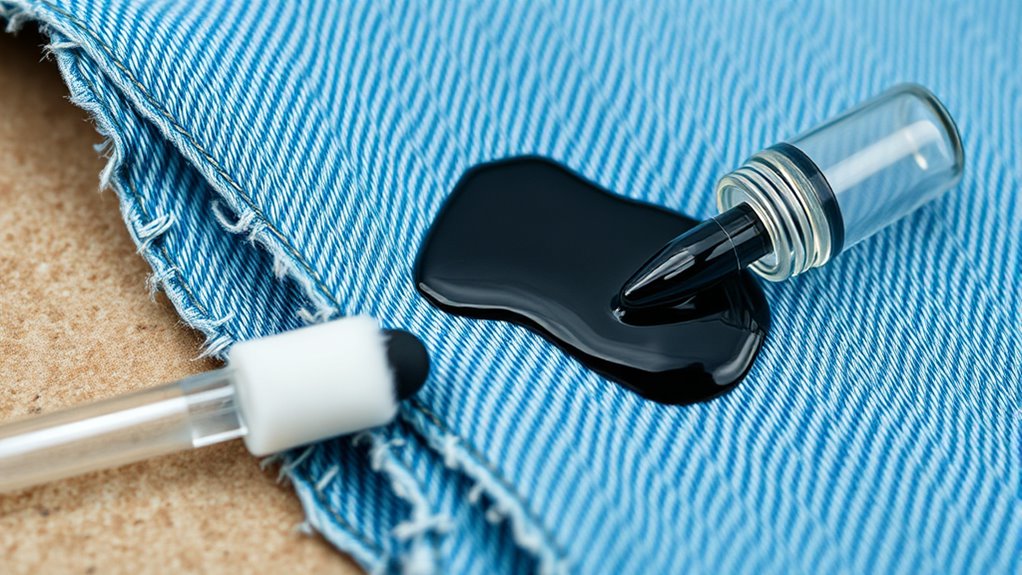
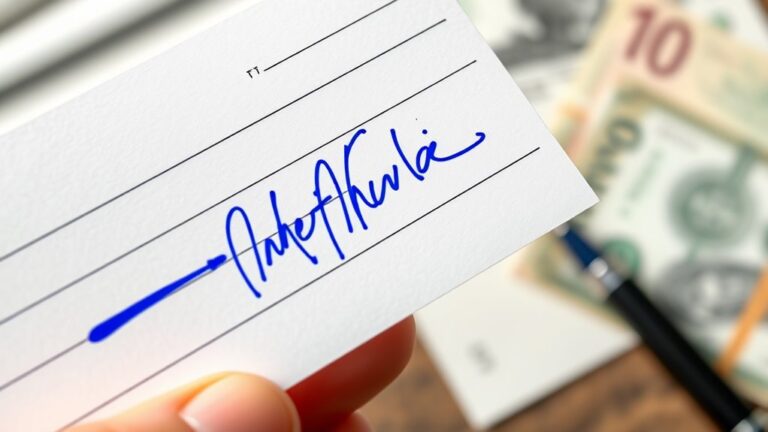
How can you determine the type of ink and fabric before attempting removal? First, figure out where the ink is coming from—like a marker, pen, or printer—as different inks need different removal methods.
Check what kind of fabric you’re dealing with. Delicate fabrics like silk or wool require gentle treatments, while tougher materials like cotton or denim can handle stronger solvents.
It’s a good idea to do a small test on an inconspicuous spot. This helps you see if the ink reacts well with the cleaning agents without damaging or discoloring the fabric.
Also, test a tiny amount of the cleaning solution on a hidden area to check if the fabric’s color stays intact.
What’s the Best Way to Remove Water-Based Ink Stains?
When dealing with water-based ink stains, acting quickly can make all the difference. Start by blotting the stain immediately with a damp cloth to lift the ink before it sets into the fabric fibers.
Blot water-based ink stains immediately with a damp cloth to prevent setting into fabric fibers.
For effective stain removal, use cold water—hot water can set the stain further. Applying a mixture of dish soap and water or laundry detergent directly onto the stain helps break down the ink.
Gently blot or rub the solution into the fabric, then rinse thoroughly with cold water to prevent the stain from setting. For stubborn stains, soak the fabric in a solution of cold water and a small amount of vinegar.
This combination can enhance removal efforts and keep your clothes looking their best.
How Do I Effectively Remove Oil-Based or Permanent Marker Ink?
Oil-based or permanent marker ink is really tough to remove because it doesn’t water. You’ll need a solvent like rubbing alcohol or acetone to break down the ink effectively.
To tackle stubborn stains, follow these steps:
- Dab rubbing alcohol or acetone-based nail polish remover directly onto the stain, gently pressing to loosen the ink.
- Use a clean cloth or cotton pad to blot the stain repeatedly, letting the solvent lift the ink from the fabric fibers.
- Rinse the fabric thoroughly with cold water to remove any leftover solvent and ink particles before washing.
Repeat this process if needed, and wash in hot water if your fabric can handle it to get rid of stubborn stains even better.
What Household Remedies Work for Ink Stains, and When Should I Use Them?
Household remedies like rubbing alcohol, hairspray, or hand sanitizer can quickly loosen ink stains if used soon after staining.
It’s important to test these solutions on a small fabric area first to avoid damage. Always avoid drying the garment until the stain is gone.
Knowing when and how to apply these remedies can make the difference between successful removal and permanent marking.
Effective Household Solutions
You can often tackle ink stains effectively with simple household remedies, especially if you act quickly.
To remove ink from clothes, try these proven solutions:
- Dab the stain with alcohol or alcohol-based hand sanitizer to dissolve water-based or oil-based ink stains. Blot gently with a clean cloth, using a paper towel underneath to catch excess ink.
- Use hairspray or rubbing alcohol directly on the stain, then blot with a stain remover or dish soap. This helps loosen stubborn ink spots.
- For tougher stains, apply a mixture of WD-40 followed by dish soap, then rinse thoroughly. Remember to avoid drying in a dryer until the stain is fully gone, as heat sets the ink.
Timing for Treatment
Promptly addressing ink stains greatly increases the chances of successful removal. For fresh ink stains, acting within the first few hours is really important.
The right timing means applying household remedies like rubbing alcohol or hand sanitizer immediately before the ink sets or bonds too deeply with the fabric. Delaying treatment allows the ink to set, making it much harder or even impossible to remove.
When dealing with dried stains, using solvents like alcohol or acetone-based products works best. Avoid letting the stain dry completely in the washer or dryer, as heat can permanently set the ink.
Knowing when to treat the stain and choosing the right method quickly can save your clothes from permanent damage.
Precautions and Testing
Before applying any remedy to remove ink stains, it’s important to test it on a hidden fabric area. This way, you can check the fabric’s colorfastness and avoid damage. To do this:
- Dab a small amount of the solution on an inconspicuous spot.
- Wait a few minutes to see if the color changes or the fabric weakens.
- If it looks safe, proceed carefully, but avoid using undiluted bleach because it can weaken fibers and cause discoloration.
Always do a final check after treatment by inspecting the stain before drying. Heat can set the ink permanently. Use gentle blotting instead of rubbing, and follow the instructions to avoid overexposure. These precautions help remove stains safely and prevent damage to your clothes.
How Can I Use Commercial Products to Remove Ink Stains Safely?
When using commercial stain removers, always read and follow the instructions carefully. It’s a good idea to test the product on a small, hidden area first to prevent any damage.
Make sure to wear gloves and work in a well-ventilated space to stay safe. Apply the remover directly to the stain and wait as directed.
After that, rinse the area well and wash the item separately in hot water if possible. This helps ensure the stain is fully removed and your clothes stay safe.
Proper Product Application
To guarantee safe and effective removal of ink stains, it’s important to apply commercial stain removers carefully and precisely. First, test the product on a small, hidden fabric area to confirm it won’t cause damage.
Next, apply the stain treatment directly onto the ink stain using a clean applicator or cotton swab for accuracy. Be sure to use the recommended amount—neither too little nor too much—to prevent fabric damage or uneven removal.
Finally, let the product sit for 5-10 minutes to allow it to penetrate and loosen the ink. Afterward, rinse thoroughly with cold water and proceed with washing.
Always check the stain before drying to verify complete removal without setting the ink.
Safety Precautions To Follow
Using commercial stain removal products safely is essential to avoid damage to your fabric or health risks. Always read and follow the manufacturer’s instructions carefully before applying any chemical.
Wear gloves when handling strong chemicals like bleach or solvents to protect your skin from irritation. Conduct a patch test on a small, hidden area to check for colorfastness and prevent damage.
Make sure the area is well-ventilated so you don’t inhale fumes from acetone, alcohol-based solutions, or aerosol sprays. Keep these products out of reach of children and pets to prevent accidental ingestion or contact.
Following these safety precautions helps you use commercial stain removers effectively while minimizing health and fabric risks. Proper safety measures make stain removal safer and more successful.
How Do I Prepare My Clothes for Ink Stain Removal?
Preparing your clothes properly is key to removing ink stains effectively without damaging the fabric. First, check the care label to see if treatments like alcohol or bleach are safe for your garment.
Next, gently blot the stain with a clean cloth or paper towel to lift any excess ink. Avoid rubbing, as that can make the stain spread or push further into the fabric.
Then, pre-treat the stain with a suitable solution as soon as possible. Before applying, test it on a hidden area to make sure it won’t cause color bleeding or damage.
For rinsing, use cold water to prevent the ink from setting deeper into the fibers. Proper preparation helps ensure your clothes are ready for effective stain removal while staying in good shape.
What Are Common Mistakes to Avoid When Removing Ink Stains?
Avoiding common mistakes is crucial to successfully removing ink stains from your clothes. Rubbing or scrubbing vigorously can push the ink deeper into the fabric fibers, making it even harder to get out.
Vigorously scrubbing ink stains can push the ink deeper, making removal more difficult.
Using undiluted bleach directly on the stain can damage the fabric or cause new discoloration. Always test a small, hidden area first before applying any bleach.
Waiting too long before treating the stain allows the ink to set, which makes removal much more difficult. The sooner you act, the better your chances.
Relying on just one method without testing can lead to fabric fading or damage. It’s important to be cautious and try different approaches carefully.
Finally, don’t dry your clothes in the dryer before confirming the stain is gone. Heat can set the ink permanently, making it almost impossible to remove later.
Be patient, gentle, and careful to avoid these common mistakes.
How Do I Troubleshoot Persistent Ink Stains and When to Seek Professional Help?
When stubborn ink stains refuse to budge after multiple home treatments, it’s often a sign that the stain is deeply set or needs specialized solvents to remove effectively. If repeated attempts with alcohol, dish soap, or commercial stain removers fail, it’s time to consider professional cleaning.
Here’s when to seek help:
- The stain has been untreated for a long time or has dried-in.
- The fabric shows signs of discoloration, deterioration, or damage from aggressive chemical treatments.
- The item is valuable or delicate, like silk, leather, or vintage clothing.
In these cases, professional cleaning can prevent further damage and effectively remove deeply set ink. Trust experts for persistent ink stains that resist basic methods.
Frequently Asked Questions
What Removes Dried Ink From Clothing?
To remove dried ink from clothing, start by applying rubbing alcohol or hand sanitizer directly onto the stain. Gently scrub with a soft cloth or brush, then rinse.
If the stain sticks around, try using acetone-based nail polish remover carefully, and repeat the process. For colorfast fabrics, soaking in diluted bleach can help, but avoid heat drying until you’re sure the stain is gone to prevent setting.
What Removes Permanent Ink From Clothing?
To remove permanent ink from clothing, you need to act fast. Start by applying rubbing alcohol or acetone-based nail polish remover directly on the stain, then gently work it in.
After that, wash the item in hot water with extra stain remover. For stubborn stains, soak the fabric in a diluted bleach solution, but only if it’s bleach-safe.
Repeat the process if needed, as patience is key.
Does Dawn Soap Remove Ink?
Yes, Dawn soap can help remove ink stains, especially oil-based inks.
You should apply it directly to the stain, gently scrub, and let it sit for a few minutes to break down the ink.
For stubborn stains, you can combine Dawn with rubbing alcohol or other stain removers.
Keep in mind, it works best on fresh or lightly set stains and may need a multi-step process for tough, dried ink.
Will Rubbing Alcohol Remove Ink?
Yes, rubbing alcohol can effectively remove ink from clothes. You should apply it directly to the stain and blot gently, allowing the alcohol to break down the ink’s dye and resin.
Use a 70% or higher concentration for better results, but test on a small area first to prevent damage. You might need to repeat the process a few times for stubborn stains until the ink is fully lifted.
Conclusion
Think of ink stains as shadows cast by moments we’d rather forget. With patience and the right techniques, you can turn these shadows into memories of a fresh start.
Every stain you remove is a symbol of your resilience, transforming a once-stained garment into a clean canvas for new stories. Remember, even the darkest marks can be erased with the right approach.
By using effective methods to remove ink from clothes, you’re opening the door to a cleaner wardrobe. Your efforts will reveal bright, stain-free garments ready for new chapters.