Effective Techniques to Remove Ink From Skin
Many people struggle with ink stains on their skin, and it can be pretty frustrating to get rid of that stubborn mark. You’re not alone—finding a simple, effective way to remove ink can feel like a challenge. Luckily, there are easy methods to tackle it quickly.
To remove ink from your skin effectively, start with gentle methods like washing with mild soap and water or applying natural oils such as coconut or vegetable oil.
You can also try scrubbing lightly with a soft brush or using household tools like a Magic Eraser. For stubborn stains, specialized products like ink removal formulas may help.
If the stain persists or irritates your skin, seeking professional advice might be necessary. Keep exploring to find more safe techniques.
Key Takeaways
– Use natural oils like coconut or vegetable oil to gently dissolve and lift ink stains from your skin.
Just a small amount of oil can go a long way in breaking down the ink.
Apply the oil and let it sit for a few minutes. Then, gently rub with your fingers or a soft cloth.
– For a safe and easy method, try mild soap and water or natural remedies like lemon juice or vinegar.
These can help lighten the ink without irritating your skin.
Gently scrub the area with a soft toothbrush, pumice stone, or microfiber cloth.
This mechanical action helps lift the ink without causing damage.
– If the stain is stubborn, you might consider specialized products like INKO Special.
Make sure to follow the instructions carefully for the best results.
Always do a patch test first to check for any skin reactions.
And if the ink doesn’t come off after a few tries or causes irritation, it’s best to see a dermatologist.
Why Does Ink Stain Your Skin and How Does It Penetrate?
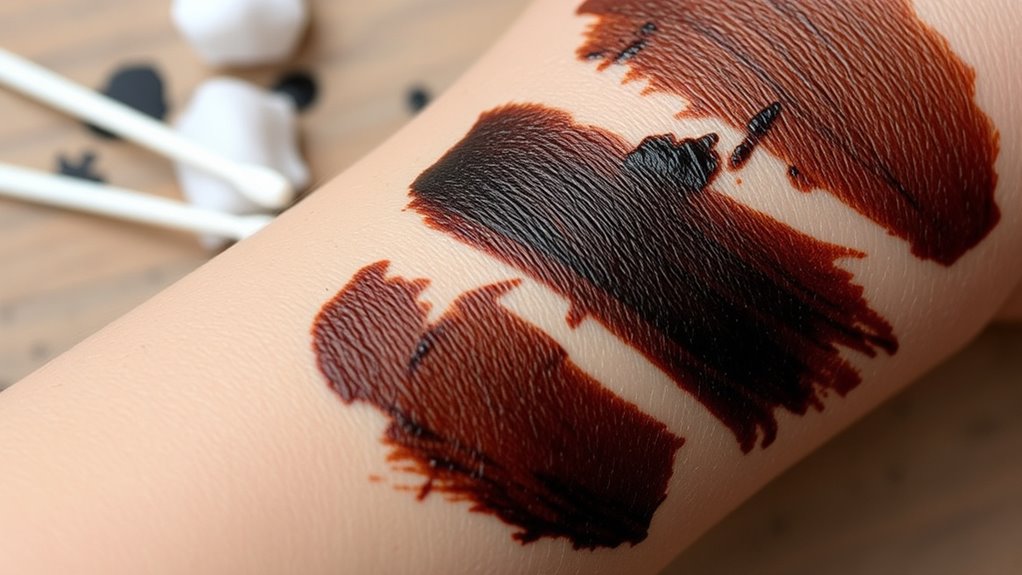
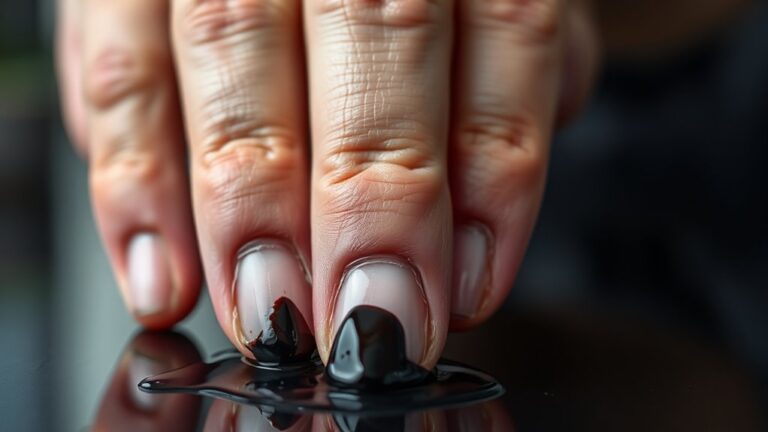
Ink stains your skin because its pigments and dyes easily penetrate the outer layer of skin cells, especially when the ink is freshly applied. When you get ink on your skin, the pigments can seep into pores and tiny cracks, making it hard to wash away completely.
Water-based inks are particularly tricky because they can trap themselves in these small openings. Many inks also contain humectants and oils that keep moisture in, helping the ink bond more strongly with your skin tissues.
Some inks include solvents and additives that push the ink deeper into your skin. Your skin’s porous surface and natural oils further trap ink particles, causing stains to linger even after washing.
This combination of factors explains why ink can be so stubborn on your skin.
How to Determine the Type and Age of Ink for Better Removal Results
Ever wondered how to tell if the stain on your skin is from water-based or permanent ink? Knowing the ink type and how old it is can help you pick the best way to remove it.
Fresh ink stains are usually easier to get rid of because the ink hasn’t soaked in deeply yet. Old ink, on the other hand, tends to be more stubborn since it has had more time to bond with your skin and oxidize.
If you know what kind of ink it is, you can decide whether solvents like alcohol or acetone might work better. To judge how old the stain is, test a small area—if it comes off easily, it’s probably recent.
Understanding these details can really improve your chances of removing the stain successfully.
Choosing Safe Ink Removal Methods for Sensitive Skin
When removing ink from sensitive skin, it’s important to use gentle methods that won’t cause irritation. Opt for skin-friendly options like mild soap and water or natural oils, which are both effective and gentle.
Always do a patch test with any ink removal product on a small skin area first. This helps ensure you won’t have an allergic reaction before applying it to a larger area.
Avoid harsh chemicals like acetone, bleach, or strong solvents. These can dry out your skin, cause redness, or lead to irritation.
After cleaning, apply soothing ingredients like aloe vera or moisturizers. They help reduce dryness and calm the skin.
If you have sensitive skin or experience discomfort, it’s best to consult a dermatologist. They can give personalized advice on safe and effective ways to remove ink.
Natural Ways to Remove Ink Stains From Your Skin
If you want to remove ink stains from your skin naturally, several effective methods can help without harsh chemicals. Soaking your skin in milk for a few minutes can loosen and dissolve ink stains thanks to its oil-separating properties.
Applying cooled, used tea bags to the inked area also helps. The tea’s natural oils dissolve the dye while providing gentle abrasion. Rubbing lemon juice or white vinegar on the stain can break down ink pigments through their natural acidity.
You can also make a paste with baking soda and water, then gently scrub the stain to exfoliate and lift ink residues. Additionally, household natural oils like coconut or vegetable oil can dissolve ink stains, but be sure to wash thoroughly afterward to avoid skin irritation.
Professional Products and Techniques to Get Ink Off Your Skin
Professional ink removal products like Nettuno’s INKO Special use microspheres to lift ink without irritating your skin. They’re formulated with natural oils and silk proteins to protect and hydrate while cleaning.
Proper application involves applying to dry skin, rinsing, and repeating if needed for best results.
Specialized Ink Remover Formulations
Specialized ink remover formulations are designed to lift ink from your skin effectively while keeping irritation to a minimum. Products like INKO Special by Nettuno use microspheres that gently loosen ink without harming your skin.
INKO Special also contains natural oils and sericin, a silk protein that soothes and protects during removal. These removers work by emulsifying ink molecules, making them easier to wipe away with minimal discomfort.
Most of these products are dermatologically tested, so they’re safe to use on hardworking hands that need frequent ink removal.
To use, apply the product onto dry skin and rub gently. Rinse thoroughly and repeat if necessary until all ink is gone.
These professional formulations offer a safe, effective solution without excessive scrubbing or skin damage.
Emollients for Skin Care
Using emollients is one of the best ways to remove ink from your skin while keeping it healthy. Professional products like Nettuno’s INKO Special use micro-spheres to gently lift ink without causing irritation.
These products are formulated with natural oils and enriched with sericin, which helps nourish and protect your skin during cleaning. Emollients break down ink residues while keeping your skin’s natural moisture intact.
They help reduce dryness and irritation, making the process gentler on your skin. These products are dermatologically tested, so they’re safe for hands that frequently come into contact with ink.
To use, simply rub the emollient onto dry skin, then rinse it off. This method ensures effective ink removal with minimal skin damage, helping preserve your skin’s health during the process.
Application and Usage Tips
To effectively remove ink from your skin, it’s important to follow proper application techniques and usage instructions for the products you choose. When working with ink stains, always read the directions on professional ink removal products like INKO Special to ensure safe and effective use.
Apply the product directly to the ink-stained area, then gently rub with a clean cloth or applicator, making sure to cover the entire stain evenly. If the ink stain is stubborn or older, repeat the application and rubbing process as needed.
After treatment, rinse your skin thoroughly with water to wash away any residual product and ink particles. Before full application, perform a patch test on a small skin area to check for adverse reactions.
Household and Mechanical Methods to Scrub Away Ink Stains
You can use household items like toothpaste, baby oil, or hairspray to help lift ink stains from your skin.
Mechanical tools such as a nail brush, toothbrush, or a damp Magic Eraser can also be effective when combined with soap or exfoliants like salt or baking soda.
For stubborn stains, pairing these methods with chemical agents like alcohol can make removal even easier.
Mechanical Scrubbing Tools
Mechanical scrubbing tools offer an easy way to lift ink stains from your skin with minimal chemicals. Using items like toothbrushes or nail brushes, you can gently work on stubborn stains, especially around nails and textured areas.
Dampening a sponge or microfiber cloth with soap and water creates a gentle mechanical action that lifts ink without harsh scrubbing. You might also consider a magic eraser, used cautiously, to mechanically remove ink without chemicals.
Abrasive materials like salt or baking soda mixed with soap can give extra exfoliation, helping to loosen ink stains. When combined with alcohol or specialized ink removers, these tools become even more effective for stubborn stains.
Imagine the feel of a rough brush, a soft sponge, or a gritty salt scrub working together to clear your skin.
Household Cleaning Agents
Household cleaning agents can be surprisingly effective in removing ink stains from your skin when combined with mechanical scrubbing methods. Baby oil is especially helpful because it breaks down ink pigments, making them easier to lift away.
Household cleaning agents like toothpaste or hairspray contain ingredients that help dissolve ink, especially when you add gentle scrubbing with a toothbrush or nail brush. Natural acids like vinegar or lemon juice can also help loosen stubborn stains.
For the best results, apply the agent and then scrub lightly to avoid skin irritation. This combination of household products and physical removal techniques allows you to remove ink from your skin safely and efficiently without harsh chemicals.
Exfoliation Techniques
Exfoliation techniques are effective methods for removing ink stains from the skin, especially when dealing with textured or porous areas. Mechanical exfoliation helps lift ink through physical action, making it easier to wash away.
You can use a toothbrush, nail brush, or pumice stone to gently scrub the stain, promoting ink removal from rough surfaces. Applying a paste of baking soda and water creates a gentle abrasive that lifts ink during scrubbing.
A damp Magic Eraser works well to scrub away residues without damaging your skin. Rubbing a salt and soap mixture acts as a natural exfoliant, speeding up ink removal.
For a softer touch, buff with a microfiber cloth or soft scrub pad to enhance results while minimizing irritation.
How to Prevent Ink Stains and Protect Your Skin From Damage
To effectively prevent ink stains and protect your skin from damage, taking proactive measures before starting any ink-related activity is essential. Always wear gloves or protective barriers to avoid direct skin contact and minimize ink stains.
Keep your hands clean by washing them regularly during and after working with ink. This reduces ink penetration and staining, making cleanup easier. Use quick cleanup methods like alcohol wipes or soap and water immediately after contact to lessen stain severity.
Store inks and writing tools in designated areas to prevent accidental spills and skin contact. After cleaning, apply moisturizers to restore your skin’s natural barrier, preventing dryness or irritation caused by ink removal agents.
These steps help guarantee skin protection and keep ink stains at bay.
Troubleshooting Persistent Ink Stains and When to See a Dermatologist
If ink stains stick around despite multiple cleaning tries, it might mean the ink has gone deep or is made of tough chemicals that don’t come off easily. At this point, it’s a good idea to consider professional help.
You should see a dermatologist if you notice ongoing redness, irritation, or allergic reactions after cleaning. Also, if the ink stains stay after several days of home treatment, it’s time to seek expert advice.
Discomfort or pain during or after removal attempts is a sign you should get professional help. If ink marks keep coming back and don’t fade over time, or if there are signs of skin damage or infection around the stain, see a dermatologist.
Getting professional help can prevent more skin issues. They might suggest specialized treatments or stronger topical agents for stubborn stains. Don’t ignore persistent ink stains—seeing a dermatologist ensures safe and effective removal.
Frequently Asked Questions
How to Get Ink off Skin Quickly?
To get ink off your skin quickly, start by applying rubbing alcohol or hand sanitizer directly on the stain. Gently rub it with a cotton ball or soft cloth to lift the ink.
For stubborn spots, use a damp toothbrush or a salt scrub to speed things up. Once the ink starts to fade, wash the area thoroughly with soap and water.
Repeat the process if needed for complete removal.
What Draws Ink Out of the Skin?
You want to draw ink out of your skin? Try using oils like baby or vegetable oil, which loosen and lift ink residues with gentle grace.
Rub the oil over the stained area, letting it work its magic. The oil penetrates the pigment, breaking it down and drawing it out naturally.
Afterward, wash with soap and water to reveal cleaner skin, free from stubborn ink stains.
Does Dawn Dish Soap Remove Ink?
Yes, Dawn dish soap can remove ink from your skin. Its powerful degreasing properties help break down both water-based and oil-based inks by emulsifying the ink particles.
You should scrub gently with Dawn, then rinse with warm water. For the best results, repeat if needed and follow up with moisturizer to keep your skin soft and prevent dryness.
This household product is gentle enough for regular use on your skin.
What Is the Best Ink Remover for Skin?
The best ink remover for skin is a product specifically formulated for skin contact, like Amodex or INKO Special. These professional removers contain gentle microspheres and emollients that lift ink safely without irritation.
Alternatively, you can use natural oils like coconut or mineral oil, which break down ink gently. Avoid harsh chemicals, and always choose dermatologically tested options to protect your skin while removing ink effectively.
Conclusion
Next time you find ink on your skin, remember how a simple wipe or natural remedy might do the trick, just like it did for someone else’s unexpected stain. Sometimes, a gentle touch or a quick household fix can save the day, turning an annoyance into a minor hiccup.
Keep these techniques in mind, and you’ll be surprised how easily you can restore your skin’s natural glow. When it comes to removing ink from skin, a little effort can go a long way—like a coincidence, it just works!