How to Use Invisible Ink in a Step-by-Step Guide
Many people love the idea of creating secret messages or fun surprises, but figuring out how to do it can be tricky. You’re not alone—mastering invisible ink is a common curiosity, and it’s easier than you think.
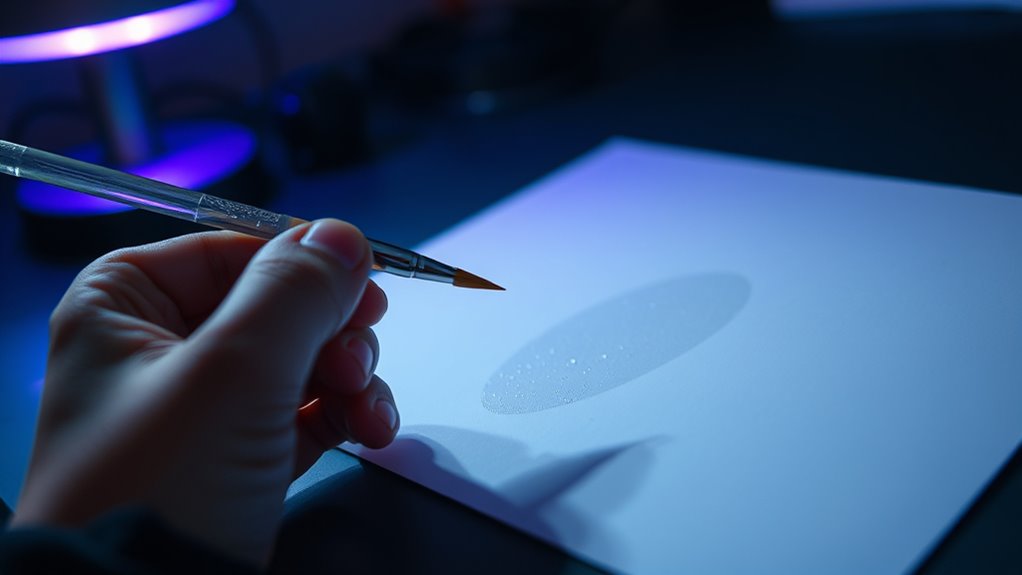
To use invisible ink, start by choosing a simple solution like lemon juice or baking soda mixed with water. Dip a fine brush or cotton swab into the solution and carefully write your message on paper, ensuring a thin, even layer. Let it dry completely without disturbance.
To reveal it, gently apply heat with a hairdryer or shine UV light. If you’re keen to uncover more tips, keep exploring the secrets behind invisible ink techniques.
Key Takeaways
- Choose a household or commercial invisible ink solution and get a fine applicator ready, like a cotton swab or a small brush.
- Carefully write your message with a thin, even layer of ink on clean, flat paper. Take your time to avoid smudges.
- Let the ink dry completely. If needed, you can use gentle heat to speed up the process, but be careful not to disturb the paper.
- When you’re ready to reveal the message, apply controlled heat or UV light. It’s a good idea to test on a small area first to see how it reacts.
- Make sure the ink is fully dry before revealing. Use gentle techniques to avoid damaging the paper and keep the message clear.
What Is Invisible Ink and How Has It Been Used Throughout History?
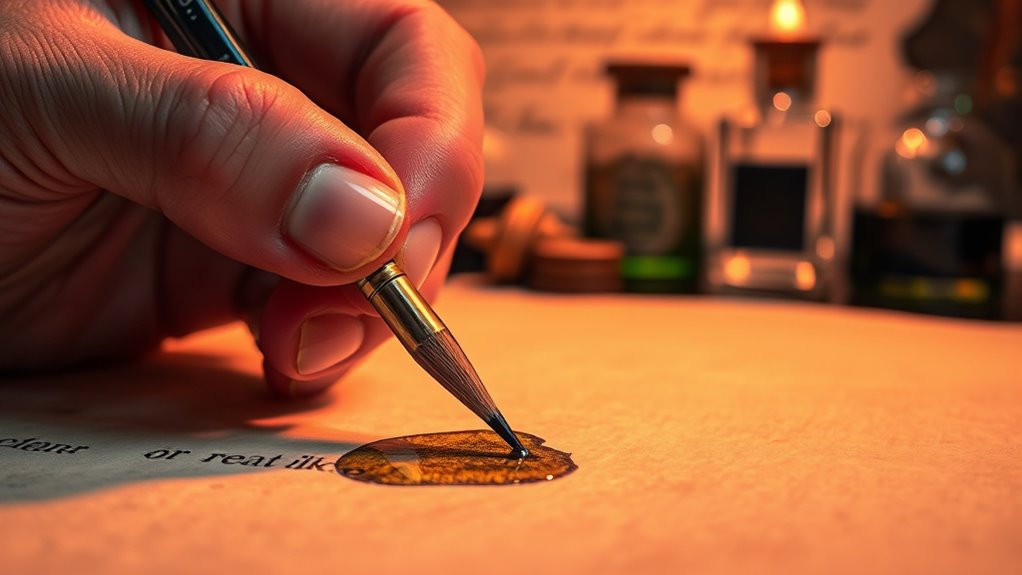
Invisible ink is a substance that stays hidden until you reveal it using a specific method, which makes it perfect for secret messages. Throughout history, people have relied on invisible ink to send covert communications.
In ancient times, simple acidic liquids like lemon juice, vinegar, or urine were used. When heated, these liquids would show the message through a chemical reaction, making the writing visible.
During World War II, more advanced chemical inks were developed for espionage. These specialized inks made simple techniques less common and helped spies exchange confidential information.
Invisible ink played a crucial role in covert operations, espionage, and forgery. It allowed governments and spies to keep their messages secret from enemies.
Today, invisible ink is still used in educational activities, arts, and in securing communications. Its long history shows how important it has been for secret messaging, relying on chemical reactions to hide and reveal information discreetly.
Which Invisible Ink Solutions Are Best for Beginners?
If you’re just starting out with invisible ink, some solutions are especially easy and effective for beginners. Lemon juice is a top choice because it’s simple, inexpensive, and readily available. Just write with lemon juice, let it dry, and reveal the message with heat.
Baking soda mixed with water is another great option. It creates invisible ink that, when treated with turmeric and alcohol, shows a bright red color. Household items like milk or vinegar can work too, though they might need specific revealing methods.
Plus, commercial invisible ink pens designed for beginners are a good choice. They give consistent results and are easy to use. These options require minimal effort and use common household ingredients, making them perfect for newcomers.
How to Write and Dry Your Secret Messages Step-by-Step
To start writing your secret message, dip a cotton swab or fine brush into lemon juice and carefully apply it to your paper. This creates invisible ink that will become visible later.
When you finish writing, let the ink dry completely—this usually takes a few minutes. During drying, keep the paper flat and undisturbed to prevent smudging or smearing, ensuring your message stays neat and legible.
If needed, use a gentle heat source like a hairdryer or light bulb to help the lemon juice dry thoroughly. Wait until the message is fully dry before handling or revealing it.
Proper drying prevents accidental smudges and helps preserve the clarity of your invisible ink secret message.
How to Reveal Invisible Ink: Easy Techniques Using Heat or UV Light
Once your secret message has dried completely, you can reveal it using simple heat or UV light techniques.
To reveal invisible ink with heat, gently warm the paper using a hairdryer, light bulb, iron, or oven. Just be sure to keep the heat moderate and spread it evenly to avoid burning the paper.
The heat causes chemical reactions in the ink, turning it brown or colored, which makes your message visible. Alternatively, shine a UV light, like a blacklight, to reveal fluorescent invisible ink such as tonic water or UV-reactive pens.
Use a hairdryer or light bulb for gentle heat. Carefully control the temperature to prevent damage. Apply heat evenly across the paper. Shine a UV light to reveal fluorescent ink.
Tips for Making Your Invisible Ink Messages Successful and Clear
Achieving clear and successful invisible ink messages requires careful preparation and technique. First, make sure your writing instrument applies a thin, even layer of invisible ink to prevent smudging or uneven visibility.
Let the ink dry completely before revealing the message to avoid smearing. When applying heat to reveal your message, use a controlled, gentle source like a hairdryer or a light bulb.
Keep the heat consistent to avoid burning the paper or blurring the message. Before revealing, test your method on a small, inconspicuous area to find the right amount of heat or reagent for clear visibility.
Why Does Invisible Ink Work? A Simple Explanation of Its Chemistry
Invisible ink works because its chemicals react under certain conditions to reveal the message. When heated, sugars and amino acids in the ink turn brown through oxidation, making the message visible.
Plus, acids like lemon juice and pH indicators respond to their environment. They change color to expose the hidden writing.
Sugar and Acid Reactions
The chemistry behind sugar and acid in invisible ink explains why your secret message becomes visible when heated. When you heat the paper, the sugar in the ink caramelizes and browns, revealing the message through a chemical reaction.
The acid in the ink reacts with the paper fibers, causing a change that helps make the message more visible. Here’s what happens: sugar undergoes a Maillard reaction, leading to browning.
The acid reacts with paper fibers, causing minor chemical changes. Heating speeds up oxidation, which makes the sugar turn visibly brown.
The chemical reaction also weakens the paper slightly, so gentle heating works best. This process relies on the interaction of sugar and acid, transforming a transparent message into a visible, brown image when heated.
Heat Causes Browning
When you gently heat paper with lemon juice ink, a fascinating chemical change happens that reveals your secret message. The heat causes the sugars in the ink to caramelize and undergo oxidation, which results in browning.
This browning makes the hidden message visible. As the paper warms, the acids in the lemon juice weaken the paper fibers, making them more prone to this reaction.
The process is similar to caramelization, where sugars break down and turn brown at high temperatures. The heat speeds up the oxidation of the sugars, making the color change more intense.
This controlled browning is what transforms your invisible ink into a visible message, allowing you to reveal something secret using simple heat.
Paper’s Chemical Interaction
Since the chemicals in invisible ink often involve acids, sugars, or other compounds, applying them to paper creates a hidden layer that interacts with the material beneath. These interactions rely on chemical reactions triggered by heat or reagents, which cause visible changes.
The key processes include:
- pH change: Acids like lemon juice lower the pH, making the ink react when heated or treated.
- Oxidation: Sugars undergo oxidation, producing a color change or revealing the message.
- Thermal decomposition: Heating breaks down the chemicals, revealing the hidden writing.
- Interaction with paper fibers: The ink chemicals react with paper components, creating a visible contrast.
These chemical reactions are what allow you to see the message when the right treatment is applied.
Common Mistakes to Avoid When Making Invisible Ink Messages
Avoid using too much lemon juice or ink, as it can cause smudging or make the message hard to dry. Make sure to apply enough heat, but not so much that you burn the paper or cause damage.
Always let the ink fully dry before revealing your message. It’s a good idea to do small test runs to make sure everything appears clearly.
Using Insufficient Heat
Have you ever tried revealing invisible ink only to find the message barely visible or completely hidden? This often happens when you use insufficient heat. If your heat source isn’t strong enough, it won’t generate the chemical reaction needed to reveal the message clearly.
Relying on low-wattage bulbs or gentle heat from a hairdryer on low settings usually won’t do the trick. To get the best results, you need to use a reliable, higher-intensity heat source and apply even heat across the entire paper.
Avoid quick, uneven heating, which can cause inconsistent results. It’s also helpful to test different heat levels and durations to find what works best for your specific ink.
Insufficient heat keeps the ink hidden or faint, making it hard to read. Remember, the right heat source and proper application are key to successfully revealing your secret message.
Overusing Writing Supplies
Using too much ink when creating your invisible message can backfire by making it blurry or hard to read once revealed. Applying excess ink increases the risk of smudging, especially if the ink doesn’t dry evenly.
Overloading the paper can also cause uneven drying, which may reveal your secret prematurely or damage the paper surface. Too much ink can lead to accidental stains or tears, compromising your message’s secrecy.
Furthermore, layering too many coats makes the ink overly visible and easier to detect. It also wastes supplies and reduces precision, making your process less efficient.
To keep your message clear and discreet, use just enough ink to write smoothly. Avoid overapplying, and give your ink proper time to dry for the best results.
Neglecting Proper Drying
Neglecting to let your invisible ink dry completely can cause immediate problems, like smudging or accidental smears when handling the paper. Rushing the drying process can make the message hard to read and ruin your secret note.
To avoid this, keep these points in mind: make sure the ink has fully dried before touching or moving the paper. Don’t use heat to speed things up, as it can cause uneven drying and distort your message.
Avoid handling the paper too much during drying, since that increases the risk of smudging. Wait enough time to ensure the ink is completely dry, so your message stays clear and legible upon reveal.
Proper drying is key to keeping your invisible messages clear and intact. Skipping this step weakens your message’s effectiveness.
Frequently Asked Questions
How Do I Use Invisible Ink?
You use invisible ink by writing your message with a clear substance like lemon juice or baking soda solution on paper.
Let it dry completely so it becomes invisible. When you’re ready to reveal it, carefully apply heat near a light bulb or iron, or use a chemical reagent if needed.
The message will then appear as browning or discoloration, revealing your secret message.
How to Make Invisible Ink Step by Step?
To make invisible ink, mix a small amount of lemon juice with water. Dip a cotton swab or brush into the mixture, then carefully write your secret message on paper.
Let the ink dry completely. When you’re ready to reveal it, gently heat the paper with a light bulb or hairdryer.
The heat will cause the lemon’s sugars to brown, making your hidden message visible.
How Long Will Invisible Ink Last?
Invisible ink is like a secret message in a bottle—its lifespan varies. If you use lemon juice, expect it to fade in weeks or months with light, heat, or humidity.
Baking soda or turmeric inks are sturdier but need a cool, dark spot. UV-sensitive inks can last years if stored properly, remaining hidden until revealed by UV light.
Keep environmental factors in check to preserve your secret messages.
Do You Use Lemon or Baking Soda to Make Invisible Ink?
You can use either lemon juice or baking soda to make invisible ink. Lemon juice is popular because it reacts to heat, revealing your message with a gentle warm-up.
Baking soda, on the other hand, reacts with a revealing reagent like turmeric or cabbage juice, producing a clear color change. Both are affordable and easy to use.
Conclusion
Invisible ink has fascinated people for centuries, serving everything from secret messages to playful tricks. Did you know that during World War II, spies used invisible ink to communicate covertly? Now, with simple steps and common household items, you can create your own secret messages.
Just remember to practice patience and precision for clear results. Discover the mystery of invisible ink and keep your secrets safe. Who knows what exciting messages you’ll uncover using invisible ink?