Step-By-Step Guide to Remove Ink From Carpet
Many people struggle with removing ink stains from their carpets, and it can be really frustrating. You’re not alone—ink stains can seem impossible to get out if you don’t know the right tricks. Luckily, with some quick action and the right methods, you can restore your carpet’s appearance.
To remove ink from your carpet, first identify the ink type and act quickly to prevent it from sinking deeper. Blot excess ink with a dry cloth, then gently lift water-based ink with a damp cloth or mild soap solution.
For oil-based or permanent ink, apply rubbing alcohol or hydrogen peroxide carefully, testing first. Avoid harsh scrubbing and over-wetting to prevent damaging your carpet.
If stains persist, professional help may be needed. Follow these steps closely, and you’ll find more tips to effectively restore your carpet.
Key Takeaways
- First, figure out what type of ink you’re dealing with—water-based, oil-based, or permanent. This will help you choose the right removal method.
- Quickly blot up any excess ink with a dry cloth. Be careful not to rub, as that can spread the stain or push it deeper into the fibers.
- Use the appropriate cleaning solution for the ink type. For water-based ink, mix water with a bit of dish soap. For permanent ink, rubbing alcohol works well.
- Before applying the solution to the entire stain, do a small test spot to make sure it won’t damage your carpet.
- Gently apply the cleaning solution to the stain. Blot softly and avoid scrubbing.
- After the stain lifts, rinse the area with plain water to remove any leftover cleaning solution.
- For really stubborn stains, it might be best to call in a professional cleaner or try specialized treatments designed for your carpet and ink type.
Identify the Type of Ink and Act Quickly

Identifying the type of ink quickly is key to removing it effectively. Water-based inks, like washable markers, are easier to clean if you act fast—within minutes of the spill.
Permanent ink, from markers or gel pens, contains resins that set quickly, so prompt action is crucial. Oil-based inks, such as ballpoint pens, need specific solvents like rubbing alcohol to break them down.
Water-based inks are simpler to remove if treated early. In contrast, permanent and oil-based inks require more targeted methods. Acting fast prevents the ink from sinking deeper into the carpet fibers and setting.
This greatly improves your chances of complete removal. Recognizing the ink type and responding quickly is your first step toward success.
Prepare Your Carpet and Gather Necessary Tools
Before you start cleaning, it’s important to prepare your workspace and gather the right tools. Clear the area around the ink stain to prevent it from spreading.
Use a spoon or vacuum to remove any loose ink particles. Gather essential supplies like white cloths, rubbing alcohol, dish soap, and a small bowl for mixing solutions.
Before applying any stain removal agents, test a cleaning solution on a hidden part of the carpet. This helps ensure it won’t damage or discolor the fibers.
Always test cleaning solutions on a hidden carpet area first to prevent damage or discoloration.
Keep a white cloth or paper towels nearby to blot excess ink immediately after spillage. This prevents the stain from setting deeper.
Having these supplies ready means you can act quickly and efficiently when tackling the stain.
Immediate Steps to Minimize Ink Damage
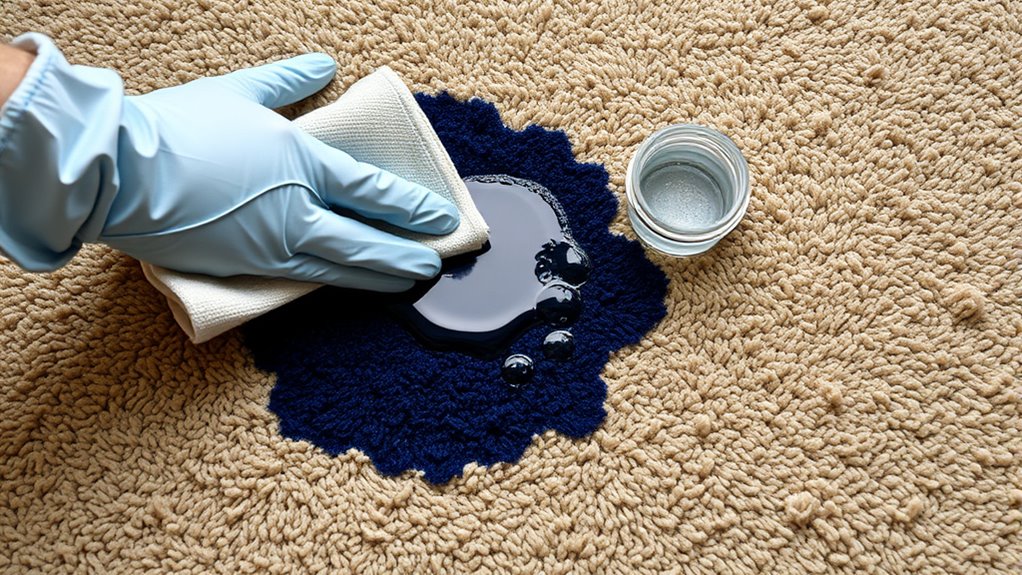
When ink spills onto your carpet, acting quickly is key to stopping it from setting in. The first step is to blot the excess ink with a dry cloth or paper towel.
Avoid rubbing or scrubbing, as that can spread the stain and push the ink deeper into the fibers. Instead, use a clean, damp cloth with a little water or club soda to gently lift the ink.
Apply light, steady pressure to absorb as much ink as possible without over-saturating the area. Testing any cleaning solution on a hidden spot first helps prevent discoloration or damage.
These quick, focused actions will help minimize the ink damage and lay the groundwork for more thorough cleaning later.
How to Safely Remove Water-Based Ink Stains
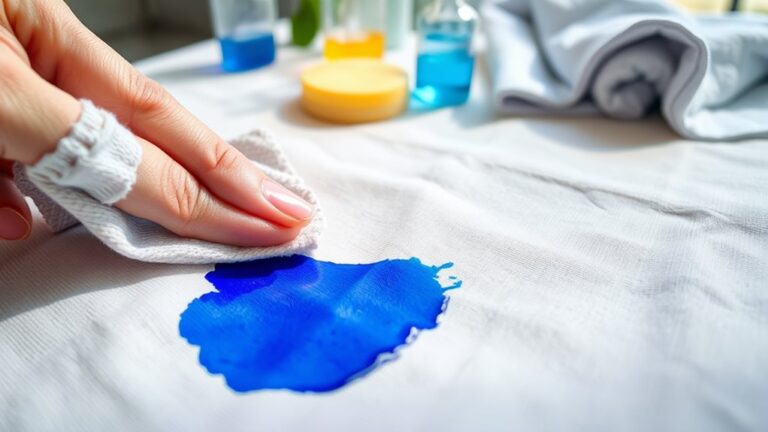
To safely remove water-based ink stains, start by gently blotting the area with a clean cloth. This helps lift the ink without spreading it further.
Next, use a cleaning solution like a mix of dishwashing liquid and lukewarm water to treat the stain carefully. Be gentle to avoid damaging the fabric.
Continue blotting from the outside of the stain inward. Once you’re done, rinse the area with plain water to make sure all the residue is gone.
Gentle Blotting Techniques
Gently blotting is key to safely removing water-based ink stains from your carpet. Using a light touch helps prevent pushing the ink further into the fibers and avoids damage.
Start by blotting the stain with a clean, damp cloth. Work from the outside edges inward to contain the spread. Use a light, pressing motion rather than rubbing, which could make the stain worse or embed it deeper.
Be sure to switch to a fresh section of cloth or clean water regularly. This prevents reapplying the stain and keeps the process effective. Avoid oversaturating the carpet—just enough moisture is all you need.
Continue blotting gently until the stain lessens or disappears. Then, let the area air dry or gently blot with a dry towel.
Effective Cleaning Solutions
Using a gentle cleaning solution is essential for safely removing water-based ink stains from your carpet. To make one, mix 1 teaspoon of dishwashing liquid with 2 cups of lukewarm water.
Dip a clean towel into the solution and blot the ink-stained area. Avoid rubbing, as this can spread the ink further.
Keep blotting with gentle pressure until the stain starts to lift and disappear. Once the ink is fading, rinse the area with a towel moistened with plain lukewarm water to remove any soap or ink particles.
Finally, use a dry towel or vacuum to thoroughly dry the spot. This prevents re-soaking and helps stop the stain from coming back.
Using the right cleaning solutions and gentle blotting techniques makes ink stain removal safe and effective.
Techniques for Removing Oil-Based and Permanent Ink
To remove oil-based and permanent ink stains, you’ll want to use solvents like rubbing alcohol or acetone. Be careful when applying these to break down the ink’s bonds effectively.
Gently blot the stain with a cloth, but avoid rubbing, as that can spread the ink further. Once you’ve done that, rinse the area with cold water and blot it dry.
You might need to repeat this process a few times to get the stain completely out.
Solvent Application Methods
When removing oil-based or permanent ink from carpet fibers, applying the right solvent correctly is key for effective stain removal. Rubbing alcohol (isopropyl alcohol 70% or higher) is a popular choice because it dissolves ink residues efficiently.
To use it, gently apply the solvent with a clean cloth and blot from the outside of the stain inward. This helps prevent the ink from spreading further.
For stubborn stains, spray or dab hairspray onto the ink and let it soften before blotting.
Afterward, follow up with a clean, damp cloth to rinse and remove any residue, reducing re-soiling.
Always test the solvent on a hidden area first to avoid damaging or discoloring your carpet.
- Use a clean cloth for gentle application
- Blot, don’t rub, to lift the stain
- Spray hairspray for tougher stains
- Rinse with a damp cloth afterward
Stain Neutralization Techniques
Neutralizing oil-based and permanent ink stains needs targeted methods that break down the ink’s chemical bonds without harming your carpet. Use the right solvent—rubbing alcohol or WD-40 for oil-based inks, and isopropyl alcohol or special stain removers for permanent ink.
Apply the solvent directly to the stain and blot gently. This helps dissolve the ink without spreading it further. Always test the solvent on a hidden spot first to avoid color fading or fiber damage.
Repeat the process as needed for stubborn stains. Here’s a quick overview:
| Technique | Description |
|---|---|
| Blotting | Gently press to absorb ink and solvent without rubbing |
| Solvent Application | Carefully apply to break down ink bonds |
| Repeat Process | Reapply and blot until the stain is gone |
| Testing | Make sure there’s no damage or discoloration |
Using Household Solutions and Commercial Products
Household solutions can be surprisingly effective for removing water-based ink stains from your carpet, especially when applied carefully. Using simple items like dish soap mixed with water, vinegar, or baking soda can lift ink stains when you blot gently.
Household solutions like dish soap, vinegar, or baking soda can gently lift water-based ink stains from carpets.
For stubborn or permanent ink stains, commercial products like rubbing alcohol, hydrogen peroxide, or specialized stain removers often work better. Always test any solution on a hidden area first to avoid discoloration or damage.
To maximize stain removal, apply small amounts of household solutions and blot rather than scrub. This prevents ink from spreading deeper into the fibers. Combining methods—like alcohol followed by vinegar rinses—can improve results while reducing chemical residue.
These techniques help you efficiently tackle ink stains using readily available household solutions and commercial products.
When and How to Use Rubbing Alcohol or Hydrogen Peroxide
Ever wonder if you should reach for rubbing alcohol or hydrogen peroxide when dealing with ink stains on your carpet? Rubbing alcohol (70% or higher) works well for stain removal, especially for printer ink and permanent marker stains.
Before using it, test on a hidden spot to avoid discoloration or damage to the carpet fibers. If you prefer hydrogen peroxide, use a 3% solution carefully, as it can bleach certain inks and delicate or colored carpets.
To apply, soak a clean cloth with either agent and gently blot the stain. Let it sit briefly, then blot again to lift the ink. Afterward, rinse the area with water to remove residue and prevent fiber damage.
Using rubbing alcohol or hydrogen peroxide properly can really help improve your carpet cleaning efforts.
Tips to Prevent Ink Stains and Protect Your Carpet
To keep your carpets free from ink stains, take proactive steps to prevent spills before they happen. Implementing preventive measures can save you time and effort later.
Store pens and markers away from carpeted areas to reduce accidental ink contact. Use protective mats or covers in spaces where children draw or write, minimizing the risk of ink stains on your carpet fibres.
Keep pens away from carpets and use mats to prevent ink stains.
Encourage the use of washable or water-based markers, which are easier to remove if spilled. Regularly inspect and clean ink-stained items to prevent leaks and transfers onto your carpet.
A no-pen policy in high-traffic or vulnerable areas also helps reduce ink stains. These simple preventive measures can considerably protect your carpet’s appearance and extend its lifespan.
Professional Carpet Cleaning for Persistent Ink Stains
When stains are stubborn, professional carpet cleaners can identify the ink type and choose the right treatment for your carpet’s material.
They use specialized tools and safe, WoolSafe-approved products to target deep or old stains without damaging fibers.
This precise approach helps guarantee the ink is completely removed and your carpet stays in great shape.
Precise Ink Identification
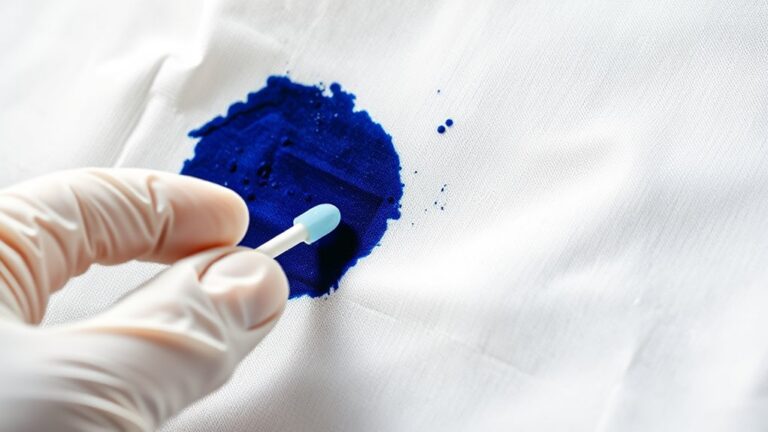
Accurately identifying the type of ink in your carpet is key to choosing the best removal method. Professionals use specialized tools and chemical tests, like solvent swabs, to figure out the ink type and fiber compatibility.
This step helps ensure that the stain removal targets the specific ink without damaging the carpet fibers. Different inks bond chemically with fibers, so knowing the ink composition helps avoid damaging treatments like bleaching or harsh solvents.
Proper ink identification also increases your chances of fully removing stubborn stains while keeping your carpet’s integrity intact. Recognize if the ink is water-based, oil-based, permanent, or printer ink.
Chemical tests can analyze the ink’s composition precisely. Make sure cleaning agents match the specific fiber compatibility to prevent damage from inappropriate stain removal methods.
Specialized Cleaning Techniques
Professional carpet cleaning uses specialized techniques designed for stubborn ink stains that don’t come out with home remedies. First, experts carefully pre-treat the stain, identifying the ink type and how deep it’s gone to target the cleaning.
They use special cleaning solutions, often WoolSafe-approved, chosen based on your carpet’s fibers and how old the stain is. Techniques like cold rinse extraction and pile lifting help loosen and remove ink particles that are deeply embedded, all without damaging the fibers.
Enzymatic or oxygen-based treatments break down organic parts of the ink, making it easier to remove completely. Reputable professionals make sure to thoroughly rinse and remove any residue, which helps prevent re-staining and keeps your carpet looking good long-term.
These tailored methods make sure even tough ink stains are broken down and eliminated, leaving your carpet clean and fresh.
Troubleshooting Ink Stains: Common Problems and Solutions
Persistent ink stains that reappear after cleaning often mean the ink has seeped deep into the carpet fibers or the removal method wasn’t effective enough. Using harsh chemicals or over-wetting the carpet can make things worse by spreading residual ink further or setting it more permanently.
Rubbing or scrubbing usually makes things worse, embedding ink deeper and damaging fibers. If the stain changes color or becomes more noticeable after cleaning, you might need alternative solutions like enzymatic treatments or professional help.
Sometimes, incomplete removal happens because cleaning agents weren’t tested first, which can cause damage or make the stain harder to lift.
- Avoid aggressive scrubbing to prevent embedding ink deeper.
- Use gentle, appropriate cleaning methods suited for ink stains.
- Test cleaning solutions on a small area before applying them fully.
- Consider professional cleaning if stains persist or worsen.
Frequently Asked Questions
How to Get Ink Out of Carpet Fast at Home?
To get ink out of your carpet fast at home, act quickly. Blot the stain with a dry cloth to soak up as much ink as possible.
Next, apply rubbing alcohol or a dish soap mixture gently, but first test it on a hidden spot to make sure it doesn’t damage the carpet.
Blot from the outside of the stain inward—don’t rub—until the ink starts to lift. Repeat this process as needed.
Once the ink is gone, rinse the area with water. Then dry with a towel or use a wet vacuum to prevent the stain from re-soaking or setting in.
Does Dawn Dish Soap Remove Ink?
Yes, Dawn dish soap can remove water-based ink stains from your carpet.
For example, if you accidentally spill blue ink on your living room rug, applying a small amount of diluted Dawn and gently blotting can lift the stain. Its grease-cutting properties break down ink molecules, making it easier to clean.
Just remember to avoid saturating the carpet and test a small area first to prevent damage.
How to Get Rid of Ink Stains Out of Carpet?
To get rid of ink stains from your carpet, start by blotting excess ink with a dry cloth. Be careful not to rub, just press gently.
Next, apply a gentle solvent like rubbing alcohol for permanent ink or club soda for water-based ink. Work from the outside of the stain inward.
Before doing this, test the solution in a hidden spot to make sure it doesn’t damage your carpet.
Keep blotting and repeating the process until the stain lightens or disappears. Be sure not to spread the ink further.
Does WD-40 Remove Ink From Carpet?
Yes, WD-40 can help remove some ink stains from your carpet, especially oil-based inks like ballpoint pen ink.
You spray a small amount onto the stain, let it sit for a few minutes, then blot with a clean cloth.
Remember to test it on a hidden area first to avoid damage. Afterward, clean the area with dish soap and water to remove any residue.
Conclusion
By acting quickly, choosing the right methods, and preventing future accidents, you can effectively remove ink stains from your carpet. Recognizing the type of ink is the first step to selecting the best cleaning approach.
Prepare your tools in advance, such as clean cloths, rubbing alcohol, or mild detergents. Follow safe techniques to minimize any potential damage to your carpet fibers.
Whether you’re dealing with water-based or oil-based ink stains, your attentiveness and care are key. Prompt action with the right methods will help restore your carpet’s beauty.
Consistent prevention and quick response are essential to keep your carpet clean, vibrant, and protected. Using effective ink removal techniques will ensure your carpet stays looking great for years to come.