How to Remove Ink Stains With a Step-By-Step Guide
Dealing with ink stains can be really frustrating, especially when they seem impossible to remove. Many people struggle with this common problem, feeling stuck and unsure where to start. But don’t worry—you’re not alone, and there are simple ways to tackle these stubborn marks.
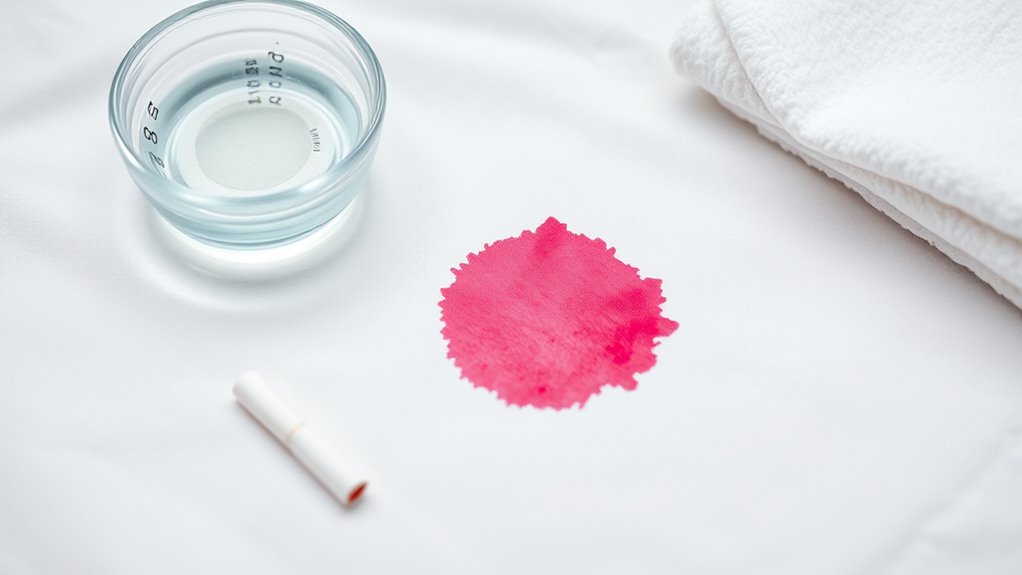
To remove ink stains, start by acting quickly and blotting excess ink. Apply household items like rubbing alcohol, hand sanitizer, or a mixture of dish soap and baking soda directly onto the stain. Let it sit for a few minutes to break down the ink.
Carefully rinse, then wash the fabric in hot water if safe. For stubborn or dried ink, combining these steps with proper care increases your chances of success—keep going to uncover more tips.
Key Takeaways
- Act quickly by blotting excess ink and applying alcohol-based solutions or pre-treaters. This helps prevent the stain from setting deeper into the fabric.
- Before using any cleaning agents, test them on a hidden area of the fabric. This way, you can make sure they won’t cause damage or discoloration.
- Apply your chosen stain remover directly onto the ink stain. Let it sit for at least 5 minutes to give it time to work.
- Rinse the area thoroughly with warm water. Then, wash the fabric in the hottest water safe for the material.
- Before drying, check if the stain is gone. If it’s still there, repeat the treatment until the stain is completely removed.
Understanding Ink Types and Why Some Are Harder to Remove
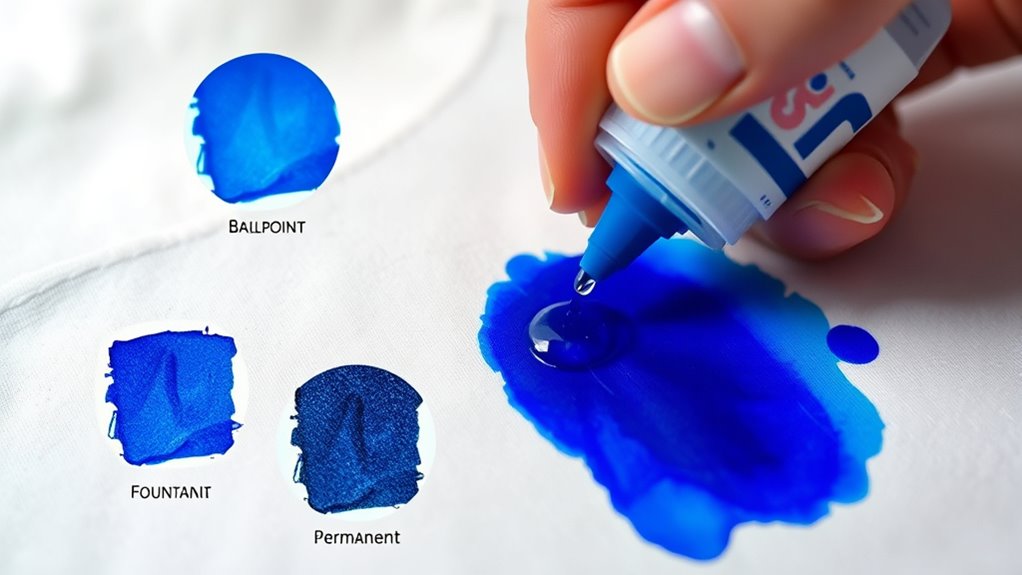
To effectively remove ink stains, it’s important to understand that different ink types have unique compositions. This directly influences how hard they are to get rid of.
Ink types like water-based, permanent, and ballpoint inks each have their own makeup, which affects the removal process. Water-based inks are water-soluble, so they come out easier, especially if the stain is fresh.
Permanent inks contain resins that resist water and solvents, making them much tougher to remove from fabric. The composition of fountain pen ink and washable markers also varies, impacting which methods work best.
Once ink dries or sets, it bonds more deeply with fabrics, making stains harder to remove. Knowing these differences helps you pick the right cleaning approach for the best results.
What You Need: Household Items for Ink Stain Removal
When tackling ink stains at home, you can use a variety of household items that are surprisingly effective. You don’t need special stain removers—common items work just fine.
Rubbing alcohol and white vinegar help break down ink pigments, making stain removal easier. Baking soda offers gentle absorption, lifting the stain without damage.
Hand sanitizer can also work as a quick stain remover, and dish soap combined with baking soda is both gentle and effective. Just remember to do a patch test first to prevent any damage.
Keep these items handy to make stain removal straightforward and safe:
| Household Item | Use for Ink Stains |
|---|---|
| Rubbing alcohol | Breaks down ink pigments |
| White vinegar | Natural stain remover |
| Baking soda | Absorbs and lifts stains |
With these simple household items, stain removal becomes easier and safer.
How to Remove Ink From Clothes Using Household Items
To remove ink from your clothes using household items, start by applying alcohol-based hand sanitizer directly onto the stain and letting it sit for a few minutes.
You can also try using household bleach carefully, but always check your clothing’s care label first. After treatment, wash the garment in the hottest water safe for the fabric and check if the stain is gone before drying.
Using Alcohol-Based Sanitizer
Have you ever wondered if household items can tackle stubborn ink stains? Using alcohol-based hand sanitizer is an effective way to remove ink from clothing.
Start by saturating the stain with the sanitizer gel, letting the alcohol break down the ink particles. Let it sit for a few minutes to loosen the stain further.
Then, blot the area with a clean paper towel or cloth to lift the ink and excess sanitizer. Avoid rubbing, which can spread the stain.
Rinse the fabric thoroughly with warm water to wash away residual sanitizer and loosened ink. If the stain remains, repeat the process.
Once the stain is gone, wash the clothing in the hottest water safe for the fabric to make sure the stain is completely removed.
Applying Household Bleach
Are household bleach and a little care enough to erase stubborn ink stains from fabric? When using bleach for stain removal, always dilute it with water according to the product instructions.
Start by pre-treating the stain: soak the fabric in a solution of ¼ cup bleach per gallon of water for about five minutes, but confirm the fabric’s safety first. Use a clean cloth or sponge to gently apply the diluted bleach directly onto the ink stain, avoiding over-saturation.
After treatment, wash the garment in hot water with regular detergent, following the care label instructions, to remove any residual bleach and ink. Keep in mind, bleach can cause discoloration, so always perform a patch test beforehand to ensure fabric safety and prevent damage.
Washing and Checking Stains
Wondering how to check if an ink stain is gone? After treating the stain with a household solvent like rubbing alcohol, blot excess ink gently with a clean cloth or paper towel. Be careful not to spread the stain.
Rinse thoroughly with warm water to loosen the ink further. Then, wash the garment in the hottest water safe for the fabric, using a strong detergent and extra stain remover if needed.
Before drying, carefully inspect the stain. If it’s still visible, repeat the stain removal process. Here’s a quick visual guide:
| Step | Action | Notes |
|---|---|---|
| Blot excess ink | Use a cloth or paper towel | Avoid spreading the stain |
| Wash in warm water | Rinse thoroughly after applying solvent | Loosens the ink |
| Check before drying | Inspect for remaining stain | Repeat treatment if needed |
Treating White Fabrics and Upholstery for Ink Stains
Treating white fabrics and upholstery for ink stains needs a gentle approach to avoid damage and make sure the stain is gone.
For white fabrics, soak the item in a solution of ¼ cup Clorox™ Bleach per gallon of water for five minutes. This helps lift stubborn ink stains. Always do a patch test first to prevent any discoloration.
When dealing with upholstery, pre-treat by spraying a mixture of OxiClean Laundry + Home Stain Remover onto a white towel. Then, blot the stain instead of spraying directly onto the fabric.
After pre-treatment, wash in the warmest water recommended by the care label. Adding extra laundry detergent can help improve stain removal.
If the stain isn’t fully gone, repeat the process. Be sure to rinse and dry the fabric thoroughly so you can check if the stain is completely gone.
How to Remove Dried Ink and Prevent Stains From Setting
Dried ink stains are tougher because they’ve soaked into the fabric fibers and set over time. Acting quickly with alcohol-based solutions or pre-treaters can stop the stain from becoming permanent.
Avoid heat until you’re sure the stain is gone. Using heat can make the stain set deeper into the fabric, making it much harder to remove.
Proper Pre-Treatment Techniques
When dealing with dried ink stains, acting quickly with the right pre-treatment methods can make all the difference in preventing permanent damage.
Start by gently blotting the stain with a clean cloth or paper towel to lift excess ink.
For stubborn stains, apply an alcohol-based solution like rubbing alcohol or hand sanitizer directly to the affected area.
Be sure to test this pre-treatment on a hidden fabric spot first to avoid discoloration.
Allow the solution to sit for at least 5 minutes to break down the ink particles.
Once treated, wash the clothes in the hottest water safe for the fabric to maximize ink removal and prevent the stain from setting.
Proper pre-treatment techniques are essential for effectively removing ink stains from your clothes.
Immediate Action Benefits
Acting quickly after an ink spill can really boost your chances of removing the stain completely. Immediate action stops the ink from drying and setting deeper into the fabric, making it much easier to clean.
Start by blotting fresh ink with a paper towel or clean cloth to lift excess ink and prevent it from spreading. Using alcohol-based solutions like hand sanitizer or rubbing alcohol right away can help break down the ink particles and increase the chances of success.
Dried ink stains are tougher and often need stronger treatments, so quick prevention is key. By responding within the first few minutes, you reduce the risk of the stain setting permanently, saving you time and effort later.
Common Mistakes to Avoid When Removing Ink Stains
Trying to remove an ink stain without knowing the common mistakes can make the problem worse. Rubbing or scrubbing the stain spreads the ink and pushes it deeper into the fabric fibers.
Avoid using heat or hot water before you’re sure the stain is gone, because this can set the ink permanently. Don’t mix different cleaning agents like bleach and ammonia, as they can cause dangerous reactions or damage delicate fabrics.
Applying too much stain remover or alcohol-based solutions directly onto fragile textiles without testing can also cause harm. Most importantly, don’t wait too long to treat the stain. The longer you delay, the harder it gets to remove.
Knowing these mistakes helps you avoid making things worse and improves your chances of success.
When to Seek Professional Help for Tough Ink Stains
Sometimes, stubborn ink stains just won’t come out no matter what you try at home. When that happens, it’s time to consider professional help. Heavy ink on upholstery or carpets usually needs special equipment and expertise to get rid of effectively.
Dried ink on delicate fabrics like silk, wool, or leather can be risky to treat yourself. It’s safer to call in a professional cleaner who knows how to handle these materials without causing damage. Large or stubborn stains that don’t respond to basic tricks are good candidates for advanced methods like solvent-based removal or dry cleaning.
| Situation | Recommended Action | Why |
|---|---|---|
| Heavy ink on upholstery | Seek professional help | They have specialized tools and skills |
| Dried ink on delicate fabrics | Consult a professional cleaner | To prevent damage and ensure safe removal |
| Multiple failed home treatments | Get professional assistance | Higher chances of removing tough stains |
| Large, stubborn ink marks | Use advanced techniques | Better chance of complete removal |
| Long-set ink stains | Contact professionals | Expert methods improve the results |
Frequently Asked Questions
What Is the Easiest Way to Remove Ink Stains?
The easiest way to remove ink stains is by applying rubbing alcohol or hand sanitizer directly onto the stain. Gently blot, don’t rub, to lift the ink.
For tougher stains, a commercial stain remover like OxiClean Max Force can do the trick. Just remember to pre-treat immediately and test on a hidden spot first.
If it’s safe for the fabric, wash in hot water to make sure the stain is completely gone.
Does Dawn Soap Remove Ink?
Dawn soap isn’t the best choice for removing ink stains, but it can help lift some residue thanks to its grease-cutting properties. You might see partial results if you combine it with rubbing alcohol or a stain pretreatment.
However, for stubborn or dried ink, you’ll likely need a stronger solution like alcohol-based products. So, while Dawn can assist, don’t rely on it as your primary stain remover.
How Can I Remove Ink Stains From My Clothes?
Think of ink stains as stubborn weeds in your garden. You can’t just ignore them. To remove ink from clothes, start by blotting the stain to soak up the excess ink.
Then, apply rubbing alcohol or hand sanitizer directly onto the stain and let it sit for a bit. Gently rub with a soft cloth, rinse thoroughly, and wash in hot water safe for your fabric.
With a little patience, your clothes will be as good as new.
Does Pen Ink Stain Permanently?
Pen ink stains aren’t always permanent, especially if you act quickly. The type of ink and fabric matter, but many stains can be removed with prompt treatment.
Dried or set-in stains are tougher but still removable with specialized products. Permanent or oil-based inks are more resistant to removal, so they might leave a mark.
Acting fast and using the right methods greatly increase your chances of fully removing the stain.
Conclusion
Removing ink stains can be simple with patience and the right approach. Some stains fade quickly, but others stubbornly cling, testing your resolve.
Knowing you can restore your clothes and fabrics gives hope even when faced with tough stains. A little effort can turn disappointment into triumph.
Don’t let a stubborn ink blot ruin your day. With the right techniques, you’ll be confident in tackling any ink stain that comes your way.