7 Steps to Remove Ink Stains From Your Dryer
Dealing with ink stains in your dryer can be frustrating, especially when you want your laundry to come out spotless. You’re not alone—many people struggle to find effective ways to remove stubborn ink marks without damaging their appliance.
Luckily, there are simple, proven steps to get your dryer looking fresh again.
To remove ink stains from your dryer, start by inspecting the drum for visible marks and determine if the ink is wet or dried. Then, run a hot cycle to loosen residues, and wipe the drum with a damp cloth or gentle scrubber.
Use natural cleaners like vinegar or rubbing alcohol for stubborn stains, rinse thoroughly, and run a test cycle or load to confirm the stain is gone.
If you want to learn more, keep exploring these steps to guarantee your dryer stays ink-free. With a bit of patience, you’ll have your appliance looking like new in no time.
Key Takeaways
- Open the dryer and take a look inside. Check the drum for any visible ink spots or discoloration.
- Wipe down the drum with a damp cloth and some mild soap. This helps remove any surface ink residues.
- Then, run a hot cycle with damp towels inside. The heat will help loosen and soften the ink stains.
- For stubborn spots, apply natural cleaners like vinegar or rubbing alcohol. Be careful and gentle when you do this.
- After cleaning, run a short test cycle. Check the drum to see if any ink marks are still there.
Assess the Ink Stains in Your Dryer Drum
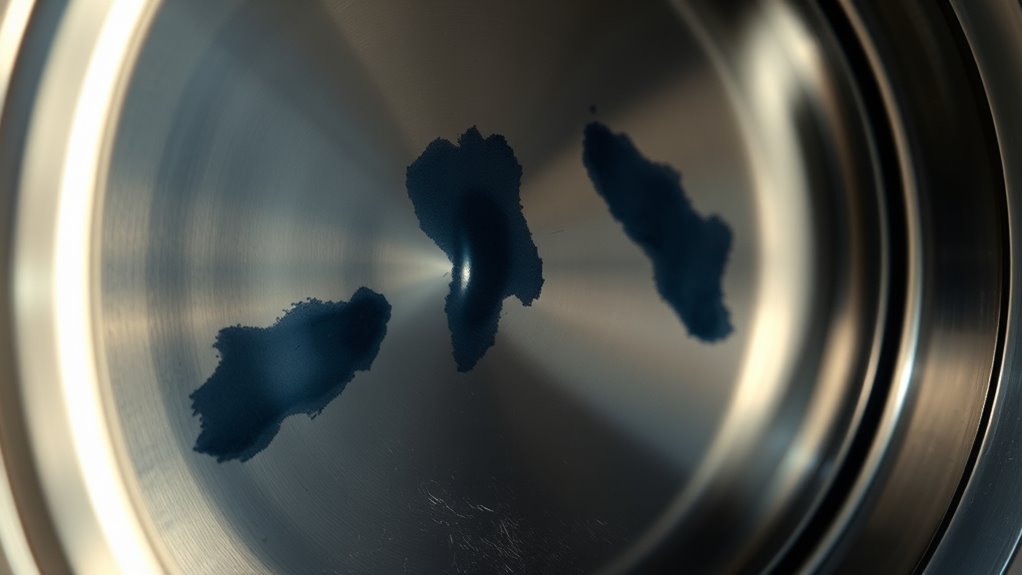
Before trying to remove ink stains from your dryer, take a close look at how bad the stains are and what kind they are inside the drum. Open up your dryer and check for visible ink spots or discoloration.
Inspect ink stains carefully to determine their severity and type before cleaning your dryer drum.
Look at the drum surface, paddles, and seals for any ink residue or transfer marks. See if the ink is wet or dried, since dried ink might need different cleaning methods.
Check for ink stains on the drum lining, which can show whether the ink transfer is recent or old. Also, see how widespread the stains are to decide if you need gentle or stronger cleaning techniques.
This careful inspection helps you understand how serious the stains are and guides you to the best way to clean your dryer drum effectively.
Heat the Dryer to Loosen Ink Residues
Heating your dryer is a key step in loosening stubborn ink residues, making them easier to remove. Set the dryer to a hot, dry cycle and run it for about 10-15 minutes.
This allows the heat to penetrate the drum, softening the ink so it becomes more pliable. Proper heating reduces the need for harsh scrubbing or chemical treatments.
Keep an eye on the dryer to prevent overheating or damage, but make sure it reaches a temperature that effectively loosens the ink. Once the cycle is done, the residues should be easier to handle.
This step prepares the surface, making the next cleaning process smoother and more efficient. Remember, heating the dryer helps loosen the ink and simplifies its removal.
Wipe Away Ink With Damp Cloths and Gentle Scrubbing
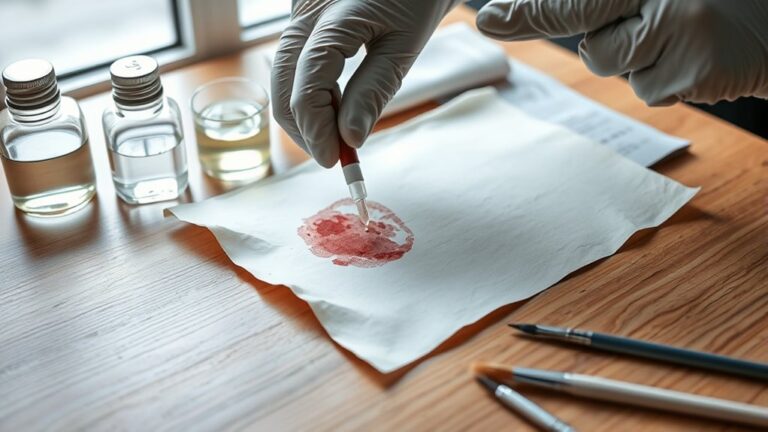
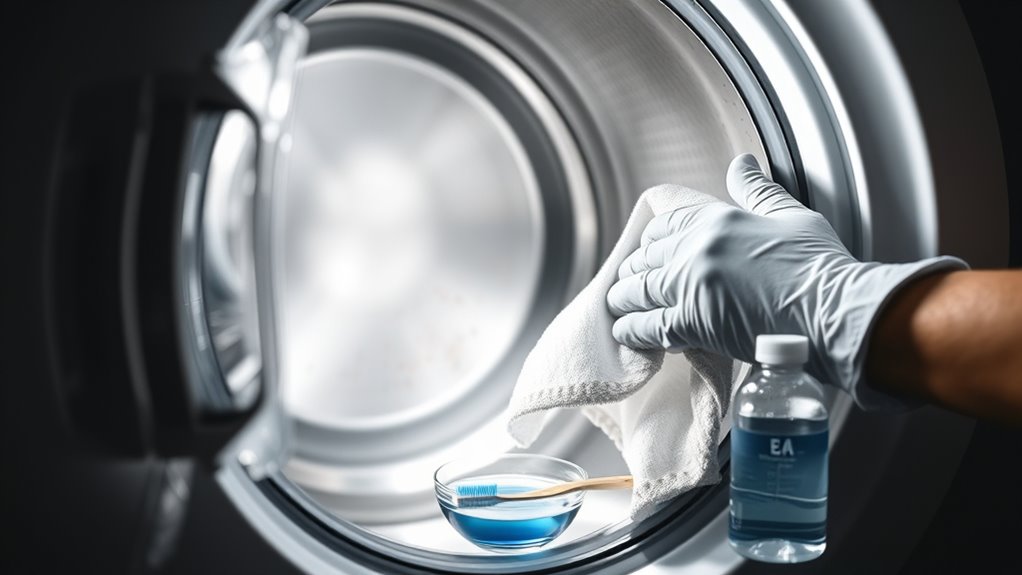
Once the dryer has been heated to loosen the ink, dampen a clean cloth with warm water and a small amount of dish soap. Gently wipe the ink-stained areas inside the drum, using a damp cloth to lift the ink without damaging the surface.
For stubborn spots, use a soft-bristled brush or sponge for gentle scrubbing. If the ink is dried, soak the cloth in warm, soapy water and hold it against the stain for a few minutes to loosen the ink before wiping.
After scrubbing, wipe the surface again with a damp cloth to remove soap residue and remaining ink particles. Keep the cloth moist but not dripping to avoid excess water entering dryer components.
Use Safe Chemical or Alternative Methods for Tough Stains
When tackling tough ink stains, it’s important to choose safe chemical or natural alternatives carefully. Always follow safety precautions like wearing gloves and working in well-ventilated areas, especially with chemical products.
Consider using gentle options like vinegar or tested solvents. These can help protect your dryer’s finish while effectively removing stains.
Chemical Safety Precautions
Are you thinking about using chemical cleaners to remove stubborn ink stains from your dryer? Make sure to prioritize chemical safety to avoid health risks. Always wear gloves and work in a well-ventilated area to reduce skin contact and inhalation of fumes from chemicals like acetone or bleach.
Before applying any cleaner, test it on a small, hidden part of the drum to prevent damage or discoloration. Follow the manufacturer’s instructions carefully, including dilution ratios and recommended contact times, to ensure safe and effective use.
Keep chemical containers out of reach of children and store them securely to prevent accidental ingestion or misuse. Using chemical cleaners responsibly protects both your health and your appliance, making stain removal safer and more efficient.
Natural Cleaning Alternatives
Looking for a safe and effective way to remove ink stains from your dryer without harsh chemicals? Natural cleaning options can be just as powerful.
White vinegar acts as a gentle solvent, loosening ink when combined with a damp cloth. Rubbing alcohol, a common household item, dissolves ink effectively and can be applied with a soft cloth or cotton ball for targeted cleaning.
Baking soda mixed with water creates a mild abrasive paste that helps lift stubborn stains when gently scrubbed on affected areas. Dish soap combined with warm water offers a safe, chemical-free solution to clean ink residues.
Furthermore, natural oils like coconut or olive oil can loosen dried ink stains, making them easier to wipe away with a clean cloth.
Effective Chemical Choices
For tough ink stains, acetone-based nail polish remover is a highly effective chemical option because it easily dissolves ink residues on dryer surfaces. When using chemical cleaners, handle them carefully—test on a small, hidden area first and make sure the room is well-ventilated.
Be cautious with stronger chemicals like bleach or Goo Gone. Avoid heating the dryer during application to prevent fumes or fire hazards. For safer, natural options, white vinegar can break down ink stains with less harshness.
Rubbing alcohol, or isopropyl alcohol, is also recommended for plastic and metal dryer parts. It offers a safe and effective solution. Always test any chemical on a small area before full application.
Rinse the Drum Thoroughly After Cleaning
After cleaning, make sure to rinse the drum thoroughly to remove any leftover cleaning agents or ink residue. Use a damp cloth to wipe all surfaces multiple times, making sure nothing remains.
Then, run an empty cycle to flush out any remaining chemicals or particles. This helps keep your dryer fresh and stain-free.
Remove Chemical Residues
Have you just finished cleaning your dryer with chemicals like bleach or acetone? It’s important to thoroughly rinse the drum to remove any chemical residues.
Use a damp cloth or sponge to wipe down the entire surface multiple times, making sure all residues are lifted. To flush out any remaining chemicals, run an empty cycle with plain water or towels.
After rinsing, check for lingering chemical odors. If you can still smell anything, repeat the rinse process until the smell disappears. Always dry the drum completely to prevent chemical residues from transferring to your laundry.
Proper rinsing helps prevent chemical buildup, protects your clothes, and keeps your dryer safe. Remember, thorough rinsing is key to removing chemical residues and maintaining a clean, odor-free drum.
Ensure No Stains Remain
Did you thoroughly rinse the dryer drum after cleaning? Proper rinsing ensures all ink stains and cleaning residues are gone. Use a damp cloth to wipe the entire drum surface several times, checking for streaks or traces of ink.
To make sure it’s completely clean, run an empty cycle or a short heat-dry setting. This helps any leftover residues evaporate. Visual inspection is key—look for any ink stains or cleaning chemicals before loading laundry.
Here’s a quick overview:
| Step | Action | Purpose |
|---|---|---|
| Rinse with damp cloth | Wipe the drum surface thoroughly | Remove ink stains and residues |
| Run an empty cycle | Use a short heat-dry setting | Evaporate remaining chemicals |
| Visual inspection | Check for streaks or ink traces | Confirm no stains remain |
Following this process guarantees your dryer is completely clean and stain-free.
Check the Drum to Confirm the Ink Is Gone
Before finishing the cleaning process, it’s important to thoroughly examine the drum to make sure all ink stains are gone. Check the interior carefully, looking for any remaining ink or discoloration. Use a flashlight to reach into those hard-to-see spots and make sure nothing is hiding.
Wipe the drum with a clean, damp cloth to see if there’s any residual ink transfer or streaks. Then, run a short, empty cycle with damp towels to check if any ink reappears on the surface. Make sure the drum’s surface is smooth and free of ink marks before loading laundry to prevent re-staining.
Visually inspect the entire drum surface for ink or discoloration. Use a flashlight to spot hidden residues. Wipe with a damp cloth to check for streaks or transfer. Finally, run a test cycle with damp towels to verify the drum is completely clean.
Run a Test Load to Ensure Your Dryer Is Ink-Free
Once you’ve thoroughly inspected and cleaned the drum, the next step is to run a test load with clean towels or white sheets.
This helps verify that all ink residues have been removed from the dryer drum. Before starting, make sure the dryer is completely dry, as moisture can affect the results.
Watch the laundry carefully for any signs of ink transfer or staining. If no ink marks appear, your cleaning was successful, and your dryer is now ink-free.
If you see any residual ink transfer, consider repeating the cleaning process. Running periodic test loads is also a good idea to keep the dryer clean and prevent future ink issues.
Frequently Asked Questions
What Will Take Ink Stains Out of a Dryer?
To remove ink stains from your dryer, start by heating the drum for 10-15 minutes to soften the ink.
Next, use a damp cloth with dish soap or try a Magic Eraser or rubbing alcohol to lift stubborn stains.
For a deeper clean, run a hot cycle with a towel soaked in bleach water inside.
Regularly inspecting and cleaning your dryer can help prevent future ink transfers.
Does Dawn Soap Remove Ink?
Yes, Dawn soap can remove ink stains. It’s like a magic wand for breaking down ink pigments, thanks to its degreasing properties.
You should apply Dawn directly to the stain and gently scrub. For stubborn marks, soaking a cloth in warm water mixed with Dawn and wiping the area often does the trick.
Regular cleaning with Dawn helps prevent ink from setting in, keeping your dryer fresh and stain-free.
Does Hydrogen Peroxide Remove Ink?
Yes, hydrogen peroxide can remove ink stains effectively. You should apply a small amount onto a cloth or cotton swab and gently dab the stain.
It works best on fresh ink and helps break down the pigments. Be cautious on colored or delicate surfaces to avoid discoloration.
After treatment, wipe the area with a damp cloth to remove any remaining residue and prevent damage.
Will Goo Gone Remove Ink From Dryer?
Like a magic wand waving away stains, Goo Gone effectively removes ink from your dryer. You just need a small amount on a cloth, then gently rub it on the ink spot.
After that, wipe away the residue. Be sure to test it on a hidden spot first to prevent any damage.
Use it carefully, avoiding the heating elements. Once done, thoroughly clean the area to keep your dryer looking fresh and ink-free.
Conclusion
Now that you’ve followed these steps, your dryer should be looking fresh and clean again. Think of it as giving your appliance a boost of confidence, ready to handle laundry without any ink stains.
With patience and the right approach, you’ve turned a stubborn ink mess into a clean slate. Keep your dryer in tip-top shape, and it’ll serve you well.
It’ll be whispering the promise of spotless laundry every time, especially now that those ink stains are gone.