What Is DTF Ink and How Is It Used?
Creating vibrant and durable designs on fabrics can be a challenge, especially if you’re tired of prints fading or cracking over time. You’re not alone—many people struggle to find the right printing method that combines quality and longevity. That’s where DTF ink comes in.
DTF ink is a water-based pigment ink designed for direct-to-film printing, helping you create vibrant, durable designs on various fabrics like cotton, polyester, and blends.
You print your design onto a special film, add adhesive powder, cure it, and then transfer the image onto your fabric using heat and pressure. This process results in long-lasting, flexible prints that resist fading and cracking.
To learn more about how to use DTF ink effectively, stay tuned.
Key Takeaways
- DTF ink is a water-based pigment ink made specifically for direct-to-film printing. It helps create vibrant and durable prints on a variety of fabrics.
- This ink contains pigments, resins, and additives that give it high opacity, good adhesion, and flexibility. These qualities ensure your designs last a long time without cracking or fading.
- To use DTF ink, you print your design onto PET film. After that, you apply an adhesive powder to the printed film, then cure it.
- Once cured, you transfer the design onto your fabric using heat and pressure. This process works well on materials like cotton, polyester, blends, and even leather.
- DTF printing supports bright, eye-catching images on both dark and light fabrics. To get the best results, proper storage, maintenance, and heat press settings are really important.
What Is DTF Ink and Why Is It Essential for Modern Printing?
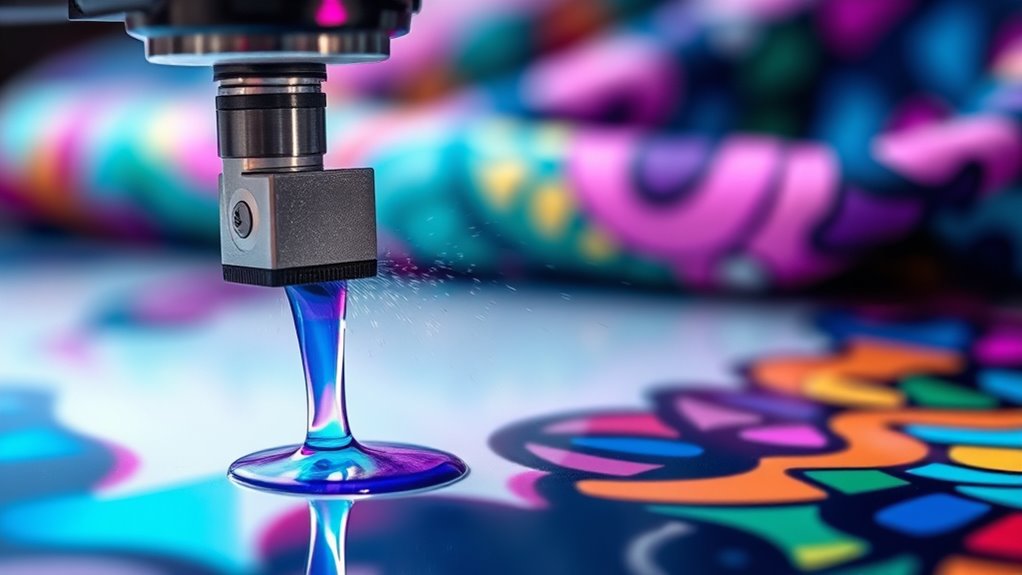
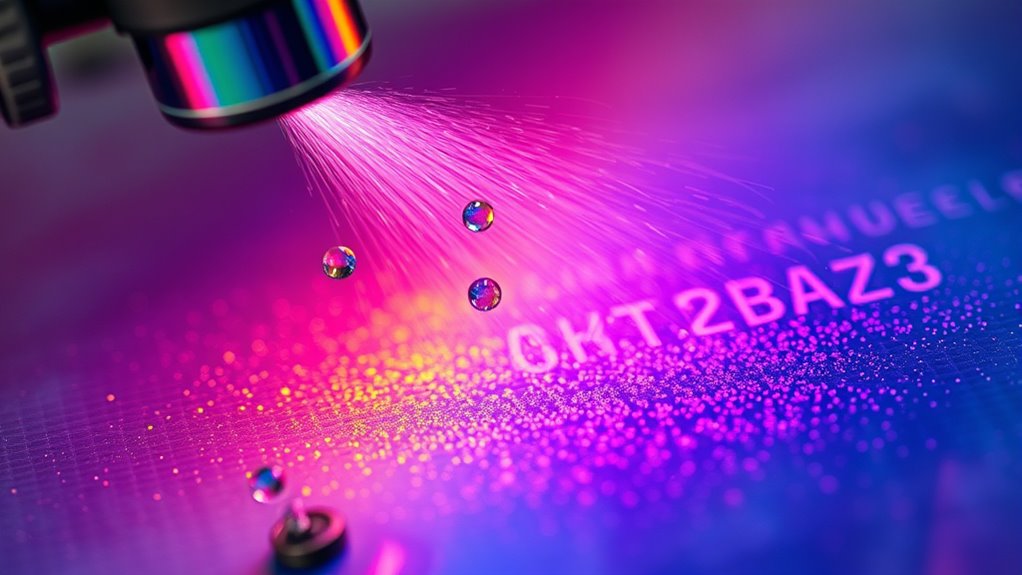
DTF ink is a water-based pigment ink designed specifically for direct-to-film printing, making it essential for modern workflows. It offers vibrant colors and strong fabric adhesion, resulting in high-quality, long-lasting prints.
DTF ink provides vibrant, durable prints with excellent fabric adhesion for modern, high-quality textile applications.
The ink’s formulation includes water-based pigments and a polymer binder that help create durable transfers on various materials, including dark fabrics. Unlike traditional inks, DTF ink delivers excellent color saturation, wash resistance, and flexibility.
It’s perfect for diverse textile applications and supports sustainable practices with its eco-friendly composition, reducing harmful emissions. In modern printing, DTF ink stands out because it provides reliable results quickly and efficiently.
Whether you’re creating custom apparel or promotional items, this ink is key to achieving professional, durable, and vibrant designs.
What Are the Main Components of DTF Ink and Their Functions?
Understanding the main components of DTF ink reveals how it achieves its vibrant colors and durable transfers.
Pigments are responsible for providing bright, eye-catching hues, while resins improve adhesion and boost the overall durability of the print.
Additives play a key role by optimizing flow properties, preventing clogging, and maintaining ink stability during printing.
Solvents, usually water-based, help keep the ink eco-friendly and easy to work with by facilitating smooth application.
The polymer elements in DTF ink guarantee the ink bonds effectively to transfer films and fabrics during heat pressing.
Together, these components work harmoniously, delivering high-quality, long-lasting transfers with consistent color and performance.
How Does DTF Ink Differ From Traditional Printing Inks?
You’ll notice that DTF ink offers better adhesion and durability compared to traditional inks, which often crack or fade over time. It’s specially formulated to handle high heat and mechanical stress during transfer.
Regular inks aren’t built for those conditions, so they tend to break down faster. DTF ink also works on a wider variety of materials, including dark fabrics, thanks to its pigment-based formulas and white base layers.
Adhesion and Durability
Unlike traditional printing inks, DTF ink is specially formulated to provide superior adhesion and durability. Its polymer binder helps it bond better to transfer films and fabrics, making the print last longer and stay flexible.
Designed to withstand high-temperature heat presses and multiple washes, DTF ink resists cracking, fading, and peeling. The bonding agents ensure excellent fabric adhesion, even on dark or tricky materials.
This results in a resilient, stretchable print that keeps its integrity through wear and laundering. It’s a great choice for durable, high-quality transfers.
Material Compatibility and Range
DTF ink stands out because it can bond effectively with a wide variety of materials, unlike traditional printing inks that often limit you to specific surfaces. Its formulation allows for superior fabric compatibility and material versatility, supporting textile surfaces like cotton, polyester, blends, leather, and nylon.
You can achieve excellent ink adhesion across diverse fabric types without extensive pre-treatments. When used with transfer films, DTF ink produces vibrant, opaque colors on dark fabrics, including high-opacity white layers for better coverage.
Imagine printing on a range of fabrics—from soft cotton shirts to durable polyester bags—without switching inks or worrying about compatibility. This flexibility makes DTF inks ideal for versatile apparel and textile printing, setting them apart from standard inks that are often restricted to rigid or paper surfaces.
What Types of DTF Ink Are Available and Which Should You Choose?
There are different types of DTF inks made for specific printing needs, like white, CMYK, and fluorescent options.
White ink provides high opacity, perfect for dark fabrics. CMYK creates vibrant, detailed colors, making your designs pop. Fluorescent inks add eye-catching neon effects that stand out.
Your choice depends on the fabric you’re using, how complex your design is, and the look you want to achieve.
White Ink Characteristics
White ink in DTF printing is known for its high opacity, making it perfect for vibrant designs on dark fabrics. It provides a solid white ink base that ensures full coverage and helps bright colors stand out.
Formulated with special binding agents, this white ink offers excellent adhesion to transfer films and fabric surfaces, which reduces peeling or cracking. Being water-based, it’s eco-friendly and flexible, allowing the fabric to stretch without cracking the print.
Its viscosity is optimized for smooth printing and prevents clogging, often requiring gentle agitation. High-quality white DTF inks also deliver impressive wash resistance, keeping brightness and opacity after multiple laundries.
- High opacity for vibrant, full coverage designs
- Excellent adhesion to fabrics and transfer films
- Wash resistance to keep prints bright and durable
Color Ink Varieties
Understanding the different types of color inks available is key to getting the look and durability you want in your transfers.
White DTF ink offers high opacity, making it perfect for dark fabrics. It guarantees vibrant color transfer and excellent coverage.
CMYK DTF inks are great for full-color designs. They deliver detailed images with smooth blending and vibrant hues.
Fluorescent DTF inks are used to create neon effects, making your designs stand out with bright, eye-catching colors.
Your choice depends on how much opacity, vibrancy, and fabric compatibility you need. If you want bold, attention-grabbing effects, fluorescent inks are your best bet.
For detailed, multi-colored images, CMYK inks give the best results. Picking the right ink ensures your design stays vibrant, durable, and high-quality in the end.
Specialty Fluorescent Options
When choosing fluorescent DTF inks, you’ll find a range of options designed to make your designs pop with vibrant, neon effects on dark fabrics. These specialty inks feature fluorescent pigments that give eye-catching neon colors with a UV light glow, perfect for standing out.
They come in shades like neon pink, green, yellow, and orange, offering plenty of versatility for your creative projects. Fluorescent DTF inks stay highly opaque, ensuring bold, luminous results even on dark fabrics.
Proper curing and handling are key to preserving the glow effect and preventing fading over time. These inks are great for fashion, promotional items, or any design that needs a vibrant, luminous impact.
Why Is DTF Ink Suitable for Printing on Various Fabrics and Materials?
DTF ink is great for printing on different fabrics and materials because it’s made with water-based pigments and resins that stick well to various surfaces. It works on a wide range of fabrics like cotton, polyester, blends, and nylon, making it very versatile.
The high-opacity white layer helps produce vibrant, full-color prints on both dark and light-colored garments, no matter the fabric type. Its bonding properties and adhesion process, boosted by hot-melt powder, ensure durable transfers on materials like leather and synthetic textiles.
Plus, DTF ink is flexible and stretchable, so it moves with the fabric without cracking or peeling even after multiple washes. All these features make DTF ink a reliable choice for printing on a broad spectrum of fabrics and materials.
How Is DTF Ink Applied in the Printing and Transfer Process?
Applying DTF ink involves a precise sequence that guarantees vibrant, durable prints. First, you print the design onto a PET film using a compatible DTF printer, making sure the white ink provides opacity.
Next, an even layer of hot-melt adhesive powder is applied over the wet ink, creating an adhesive layer essential for transfer. The coated film then goes into a heat oven or curing unit to solidify the adhesive.
During the transfer process, you place the film onto your fabric and apply heat and pressure with a heat press at 140-160°C for about 15-20 seconds. Once cooled, peel away the film, leaving a vibrant color print firmly adhered to the fabric surface.
This sequence ensures a seamless and durable transfer.
What Are the Benefits of Using DTF Ink for Your Designs?
Using DTF ink for your designs gives you vibrant, long-lasting colors that stay bright through many washes.
It also works well on a variety of fabrics, offering versatile application options.
Plus, its durability and flexibility ensure your prints won’t crack or fade as the fabric moves.
Vibrant, Long-Lasting Colors
When you choose DTF ink for your designs, you get vibrant, high-opacity colors that stay bright and vivid even after multiple washes. It offers excellent color stability, so your prints keep their vibrancy over time.
This ink supports rich, full-spectrum color expression across different fabric types, making detailed designs really pop. The high-opacity quality boosts the visual impact, while its fade resistance ensures your prints last.
You’ll notice your designs stay brilliant and clear, resisting cracking or peeling. Plus, the bright, eye-catching colors easily draw attention and stay vibrant wash after wash.
With consistent color saturation, even intricate designs look sharp and lively for the long haul.
High Fabric Compatibility
Have you ever wondered how some designs stay vibrant across different fabrics? DTF ink offers high fabric compatibility, making it perfect for various textile applications. Its formulation ensures excellent fabric adhesion on materials like cotton, polyester, blends, nylon, and leather, so it’s great for multi-material projects.
The high opacity of DTF ink produces vivid colors on both dark and light fabrics. It maintains its vibrancy even after multiple washes, so your designs stay fresh longer. Plus, its flexibility allows prints to stretch and bend without cracking or peeling, ensuring durability.
This compatibility reduces the need for fabric pre-treatment, streamlining your production process and boosting efficiency. Whether you’re working with cotton, polyester, blends, or leather, DTF ink adapts easily and delivers outstanding results.
| Fabric Type | Compatibility | Benefits |
|---|---|---|
| Cotton | Excellent | Vibrant, durable, flexible |
| Polyester | High | Versatile, high opacity |
| Blends | Good | Easy fabric adhesion |
| Leather | Suitable | Long-lasting, detailed prints |
Enhanced Durability and Flexibility
Because of its exceptional flexibility, DTF ink allows your printed designs to move naturally with the fabric without cracking or peeling over time. This flexibility guarantees your designs stay intact, even after frequent washing and stretching.
DTF ink also offers high wash resistance, keeping vibrant colors bright and durable after 50+ cycles. Its strong adhesion to various textiles like cotton and polyester ensures long-lasting results on different fabric types.
The resilience of DTF ink prevents fading and cracking, making your prints more durable and reliable. This combination of flexibility and durability makes DTF ink perfect for apparel that undergoes regular wear.
You’ll enjoy vibrant, long-lasting textile designs that maintain their quality through washing and daily use.
- Flexibility allows designs to bend with fabric movement
- Wash resistance preserves vibrant colors after many cycles
- Strong adhesion ensures long-term durability on various textiles
How Should You Store and Maintain DTF Ink for Longevity?
Proper storage and maintenance are key to keeping your DTF ink fresh and working well over time. Store the ink in a cool, dry place away from direct sunlight, which can break down the pigments and resins.
Keep the container tightly sealed when you’re not using it to prevent air exposure, which can cause the ink to thicken or dry out early. Before using, give the bottle a gentle shake to keep the flow steady and prevent pigment separation.
It’s best to use the ink within 3 to 6 months after opening for the best print quality and adhesion. Also, regularly clean your printer parts, like printheads and ink lines, to avoid clogs and ensure smooth ink flow.
Taking good care of your equipment and ink helps maintain high quality and reliability over time.
Is DTF Ink Safe, Eco-Friendly, and Suitable for Sensitive Environments?
DTF inks stand out for their safety and eco-friendliness, making them a popular choice for various printing environments. They are primarily water-based and solvent-free, which reduces harmful emissions and odors. Many DTF inks are OEKO-TEX® certified, ensuring they meet strict safety and eco standards suitable for sensitive environments.
Using water-based pigments further minimizes environmental impact and creates a healthier workspace. Proper storage is essential to maintain these benefits, preventing deterioration and ensuring safety over time.
Imagine printing with safe inks that emit fewer fumes, creating a healthier environment. Visualize eco-friendly prints made with water-based pigments that meet strict OEKO-TEX® standards. Know that proper storage keeps your DTF ink safe and environmentally friendly long-term.
What Are the Costs Involved When Using DTF Ink in Your Business?
When considering adding DTF ink to your business, it’s important to understand the costs involved for effective budgeting. The ink itself usually costs between $5 and $15 per liter, with white ink at the higher end of the range.
Initial setup costs, including inks, powders, and transfer film, tend to be around $50 to $100. Transfer film expenses add roughly $5 to $10 for each sheet you use.
For high-volume production, buying in bulk can significantly lower the cost per liter, making your printing more economical. Keep in mind that ink shelf life matters; unopened bottles last between 12 and 24 months.
Once opened, inks should be used within 3 to 6 months to avoid waste and ensure quality. Here’s a quick overview:
| Cost Element | Price Range |
|---|---|
| DTF ink cost | $5-15 per liter |
| Transfer film expenses | $5-10 per sheet |
| Initial setup costs | $50-100 |
| Ink shelf life | 12-24 months (unopened) |
How Can You Troubleshoot Common DTF Ink and Transfer Issues?
Troubleshooting common issues with DTF ink and transfer processes usually starts with the basics. First, make sure your DTF ink is well mixed and give the bottle a good stir before printing. This helps prevent pigment separation and ensures consistent color.
Next, check that the printheads are clean and free of clogs. Keeping them clear helps maintain proper ink flow and accurate colors. Also, examine the transfer film and hot-melt powder to make sure they’re evenly applied.
Ensure printheads are clean and free of clogs for consistent color and ink flow.
Uneven application can cause transfers to lift or be inconsistent during heat pressing. Make sure everything looks uniform for the best results.
It’s also important to confirm that the curing temperature and time match the ink’s requirements. Proper curing helps with adhesion and wash resistance, so don’t overlook this step.
Finally, inspect your heat press’s temperature, pressure, and duration. Incorrect settings can lead to incomplete transfers or even scorching the fabric. Addressing these factors will help you troubleshoot most transfer issues effectively.
Frequently Asked Questions
What Are the Disadvantages of DTF Ink?
The disadvantages of DTF ink include clogging if you don’t maintain it properly, which can cause downtime and extra costs. You might also notice uneven or less opaque white layers, which can affect the overall quality.
It requires a significant initial investment in equipment, so it might not be the best option for small businesses. Improper curing can lead to cracking or peeling over time.
Plus, fumes during printing could pose safety risks if you don’t have proper ventilation in place.
Can You Print DTF on a Regular Printer?
You can’t print DTF on a regular printer. Standard home or office printers don’t have the right printheads or temperature controls for DTF inks.
DTF inks are high-viscosity and need special handling. Using a regular printer can cause clogs, damage, and poor-quality transfers.
To get durable, vibrant DTF prints, you need a compatible industrial or modified printer designed for DTF ink.
What Is the Difference Between DTF Ink and Regular Ink?
You’ll find that DTF ink differs from regular ink mainly in formulation and purpose. DTF ink contains pigments and resins that bond well with transfer films and fabrics, making it durable, flexible, and resistant to washing and cracking.
Regular ink, designed for paper, isn’t compatible with textiles or high heat, which leads to poor adhesion and fading.
Using DTF ink guarantees vibrant, long-lasting prints, unlike regular ink that quickly degrades on fabrics.
How Long Does DTF Ink Last?
You can expect DTF ink to last between 12 to 24 months if it’s unopened and stored properly in a cool, dry place.
Once opened, it’s best to use it within 3 to 6 months for the best printing quality. Keep the container sealed tightly, away from sunlight, and avoid contamination.
Make sure to regularly check and shake the ink before use to ensure consistent results and get the most out of its lifespan.
Conclusion
In the world of modern printing, DTF ink offers a promising pathway to vibrant, durable designs across a variety of fabrics. Its unique formulation allows for high-quality prints that last and stand out.
By understanding its components, proper usage, and maintenance, you can access new creative possibilities and streamline your workflow. This knowledge helps you get the most out of DTF ink, making your printing process smoother.
Embracing DTF ink is like opening a door to innovative solutions that can raise your business, all while staying eco-conscious and cost-effective. It’s an exciting way to expand your options and improve your products.
Step into this exciting domain, and watch your ideas come to life in ways you never imagined. DTF ink can truly transform your printing projects and boost your creativity.