Types of Poisonous Ink
If you’re considering getting a tattoo or using inks for art, you’re not alone in worrying about safety. Many people struggle with understanding what’s in the inks they use and how it might affect their health.
Poisonous inks often contain heavy metals like lead, cadmium, chromium, and nickel, which can cause serious health risks including poisoning and long-term illnesses.
Some tattoo inks use azo dyes or carbon black that may release carcinogenic compounds. Poor manufacturing processes can introduce harmful contaminants, and improper disposal harms the environment.
To stay safer, choose inks from reputable sources with transparent ingredients and proper regulations. If you want to understand more about avoiding these risks, keep exploring further.
Key Takeaways
- Inks that contain heavy metals like lead, cadmium, chromium, or nickel are really toxic and can be dangerous to your health.
- Azo dyes found in red and yellow inks can break down into carcinogenic aromatic amines, which are harmful.
- Carbon black inks might have PAHs, some of which are known to cause cancer.
Poor manufacturing practices can introduce contaminants into inks, making them more toxic.
Unregulated or counterfeit inks often contain harmful pigments and pose serious health risks.
What Makes Inks Toxic and Why It Matters
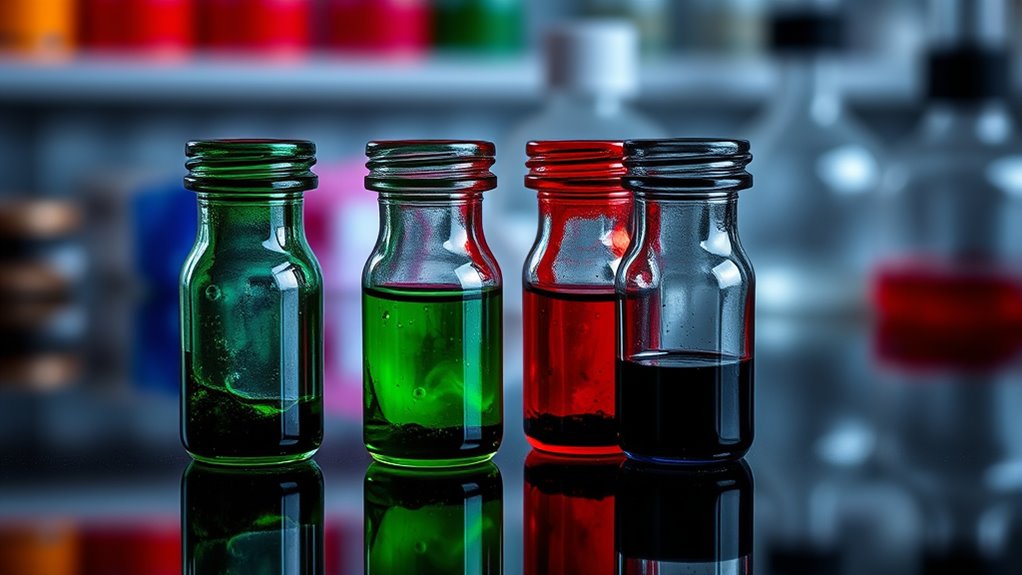
Understanding what makes inks toxic is important because their chemical components can pose serious health risks.
Heavy metals like lead, cadmium, and chromium are common in some inks and can cause poisoning or long-term health problems if ingested or absorbed through the skin.
Toxic pigments, such as azo dyes, break down into carcinogenic aromatic amines over time, which can increase the risk of cancer.
The chemical makeup of inks, including solvents and volatile organic compounds (VOCs), adds to their danger by causing skin irritation or neurotoxicity if inhaled.
Historically, metal-based pigments like chrome yellow and cadmium contributed to toxicity, though many have now been replaced with safer dyes.
Recognizing these factors highlights why understanding ink safety is so important to prevent potential health issues.
Are Tattoo Inks Safe? Common Carcinogens and Heavy Metals
Many tattoo inks contain heavy metals like lead, cadmium, chromium, and nickel, which can pose serious health risks, including cancer. These metals are common in pigments used in tattoo inks, especially in certain colors.
Many tattoo inks contain heavy metals like lead and nickel, posing serious health risks including cancer.
Red and yellow azo dyes can break down into aromatic amines, which are recognized as potential carcinogens. Black inks often contain carbon black that may include trace amounts of polycyclic aromatic hydrocarbons (PAHs), some of which are carcinogenic.
The safety of tattoo inks varies depending on manufacturing practices. Unregulated inks are more likely to contain harmful substances. Reputable brands aim to reduce or eliminate carcinogens and heavy metals.
To guarantee safety, you should check ingredient transparency and certifications before getting inked. Brands working on safer pigments help reduce health risks.
How Ink Composition and Manufacturing Impact Toxicity
The chemicals used in ink, like toxic pigments and dyes, directly affect its safety.
Manufacturing processes and ingredient transparency determine how much harmful substance remains in the final product.
Toxic Pigments and Dyes
The composition and manufacturing of inks directly influence their toxicity, especially when they include hazardous pigments and dyes. Toxic pigments often contain heavy metals like cadmium, lead, chromium, and nickel, which pose serious health risks over time.
Historically used pigments such as chrome yellow and cadmium-based colors are now considered highly toxic and have been phased out. Azo dyes, commonly found in red and yellow tattoo inks, can break down into carcinogenic aromatic amines, increasing health concerns.
While synthetic organic dyes are generally less toxic today, they may still contain contaminants or additives that pose risks. Poor manufacturing practices can lead to the presence of these harmful substances, making the safety of the final ink product highly dependent on responsible production.
Manufacturing Processes and Safety
Manufacturing processes are key to ensuring ink safety. Strict regulation and quality control help prevent harmful impurities and additives from being included.
Modern ink formulations focus on safety by replacing toxic metal-based pigments with synthetic organic dyes, which greatly reduces toxicity. Regulation also manages or replaces volatile organic compounds like turpenoid to avoid neurotoxic effects.
Proper manufacturing practices, such as sterile environments and contaminant testing, are essential to minimize risks from toxic exposure. In the past, hazardous pigments like cadmium, lead, and chrome yellow were common, but they’ve been phased out because of toxicity concerns.
Environmental Impact of Ink Waste and Disposal
Have you ever thought about how discarded ink waste affects the environment? When ink waste and solvents aren’t disposed of properly, they can cause environmental contamination.
Hazardous pigments like toxic metals such as cadmium and lead can leach into water sources over time if buried improperly. Poor disposal practices, like pouring ink down drains or onto soil, increase the risk of soil and water pollution.
Luckily, modern inks contain lower levels of hazardous substances. But risks still remain if waste isn’t managed responsibly. Proper disposal is key to preventing long-term environmental damage.
Regulations promote environmentally responsible waste management, but awareness and adherence are essential. This helps minimize the impact of ink waste on ecosystems.
Leaching of toxic metals into water sources can harm aquatic life and contaminate drinking water. Soil contamination from improper disposal can affect plant growth and soil health.
Long-term risks from metal-based pigments include ongoing pollution and potential health hazards. Hazardous pigments can significantly impact ecosystems if not handled carefully.
Regulatory guidelines play a crucial role in waste management, but individual actions and awareness are vital to reducing the environmental footprint of ink waste.
Tips for Choosing Safer, Less Toxic Inks
When choosing inks, prioritizing safety and environmental friendliness can make a big difference. Look for reputable brands that offer ingredient transparency so you know exactly what’s in them.
Choose regulated inks that meet safety standards like REACH or FDA regulations to reduce the risk of toxic pigments. Opt for non-toxic options like vegan, organic, or plant-based inks, which usually have fewer harmful chemicals and heavy metals.
Avoid cheap, unbranded, or heavily discounted inks since they’re more likely to contain unregulated or toxic pigments. It’s also smart to select inks that use synthetic organic dyes instead of metal-based pigments to lower exposure to heavy metals like lead or cadmium.
Always verify that inks are produced in sterile, regulated conditions to ensure they’re safe to use.
Understanding Regulations and Industry Efforts to Improve Ink Safety
Regulatory agencies like the EU’s REACH and the US FDA are working to restrict or ban hazardous pigments and chemicals in tattoo and industrial inks. Their goal is to protect both consumers and workers from potential health risks.
These regulations focus on cutting out dangerous substances to make inks safer. Industry efforts are also underway to develop non-toxic formulations that replace traditional metal-based and azo dyes.
Despite these advances, many countries still lack thorough regulations, leading to inconsistent safety standards worldwide. Reputable ink manufacturers follow strict safety protocols to minimize carcinogens and toxic metals.
Ongoing research and international collaboration aim to create uniform safety guidelines and improve transparency in ingredient disclosures. These combined efforts are crucial for reducing poisonous inks and protecting public health.
Key goals include harmonizing global safety standards, reducing hazardous pigment use, promoting ingredient transparency, developing safer formulations, and strengthening regulation enforcement.
Frequently Asked Questions
Are All Types of Ink Toxic?
Not all inks are toxic. You’ll find many water-based pens and markers that are safe for everyday use, containing minimal harmful chemicals.
However, industrial, tattoo, or certain specialty inks might contain toxic substances like heavy metals or carcinogens.
To stay safe, always check the ink’s ingredients, handle it carefully, and store it properly. Being aware of the chemical makeup helps you avoid potential health risks from poisonous inks.
Which Tattoo Inks Are Toxic?
You should be cautious with certain tattoo inks, especially those containing azo pigments in reds and yellows. Black inks with PAHs and inks with heavy metals like lead and cadmium can also be problematic.
Inexpensive or unregulated brands often hide harmful contaminants. To stay safe, pick reputable brands that are transparent about their ingredients.
Avoid inks with suspected carcinogens or toxic metals. Doing so helps reduce health risks and ensures your safety during and after getting your tattoo.
How Do I Tell if I Have Ink Poison?
You’ll know you’re ink-poisoned if your skin turns a strange shade or you suddenly feel queasy with dizziness. Eye irritation, nausea, or mild stomach upset are clues, especially if these symptoms get worse or stick around.
If you’ve ingested a lot of ink or notice serious signs like high fever or persistent vomiting, seek medical help right away. Don’t wait—your body is giving you a very colorful, urgent warning.
Is the Ink in a Sharpie Toxic?
Yes, the ink in a Sharpie is toxic if ingested or inhaled in large amounts. You should avoid swallowing it intentionally and limit inhalation of fumes, as prolonged exposure can cause headaches, dizziness, or irritation to your eyes and respiratory system.
While it’s considered minimally toxic with skin contact, taking precautions during use is essential. Keep it out of reach of children to prevent accidental ingestion or misuse.
Conclusion
Exploring the world of ink is like walking a tightrope over a sea of colorful hazards. You need to stay informed to avoid sinking into toxicity.
By choosing safer inks and understanding their hidden dangers, you’re not just protecting your skin but anchoring yourself in a safer, more responsible future.
Remember, every drop you choose paints not only your canvas but also the environment and your health.
So pick wisely, and let your choices be the guiding star in this vibrant, complex landscape of poisonous ink.