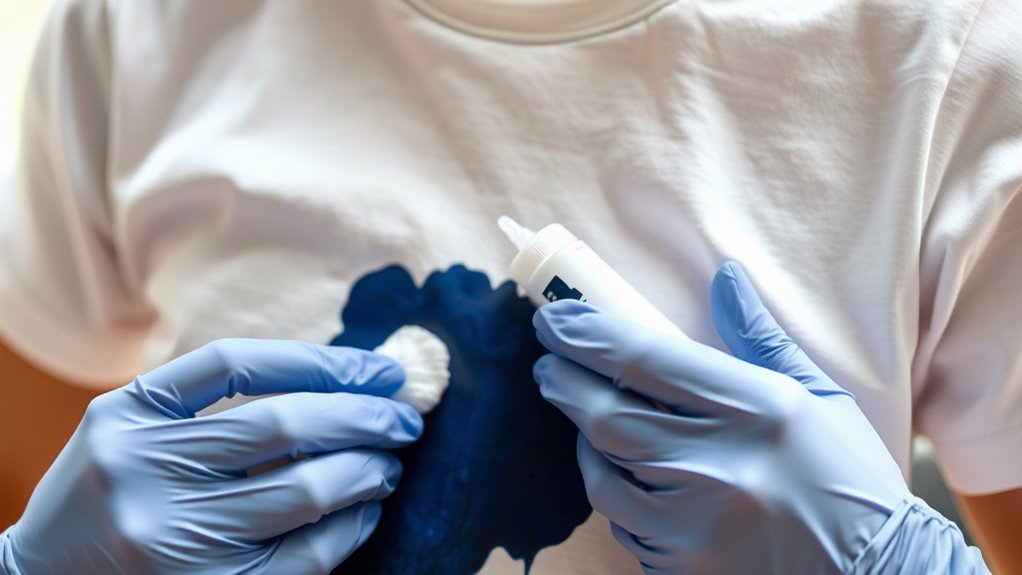
Quick Guide to Get Ink Out of Clothes Fast
Getting ink on your clothes can be a frustrating experience—many people struggle with this messy problem. If you’re tired of stubborn stains ruining your favorite outfits, you’re not alone.
Luckily, quick action can save your clothes from permanent damage.
If you get ink on your clothes, act fast to prevent a permanent stain. Blot the excess ink with a clean cloth and rinse from behind with cold water.
Use alcohol-based solutions like rubbing alcohol or hairspray, testing first on hidden areas.
For stubborn stains, try a mixture of dish soap and vinegar, then wash with cold water.
If the stain persists, more advanced techniques might be needed—stick around to learn effective tips for every fabric type.
Key Takeaways
– Blot the ink immediately with a clean cloth or paper towel to stop it from sinking deeper into the fibers.
Try to act fast—this helps prevent the stain from setting.
Once you’ve blotted, rinse the stain from behind with cold water.
This pushes the ink out before you use any cleaning products.
Next, apply rubbing alcohol or hairspray on the stain.
Make sure to test it on a hidden part of the fabric first to check for any damage.
Blot the area gently to help dissolve the ink pigments.
For stubborn stains, mix dish soap with white vinegar and apply it to the spot.
Let it sit for a few minutes, then rinse thoroughly with cold water.
Avoid using heat or high temperatures until the stain is fully gone.
Heat can set the ink and make the stain permanent, so it’s best to wait.
Understanding Different Ink Types and How They Respond to Cleaning
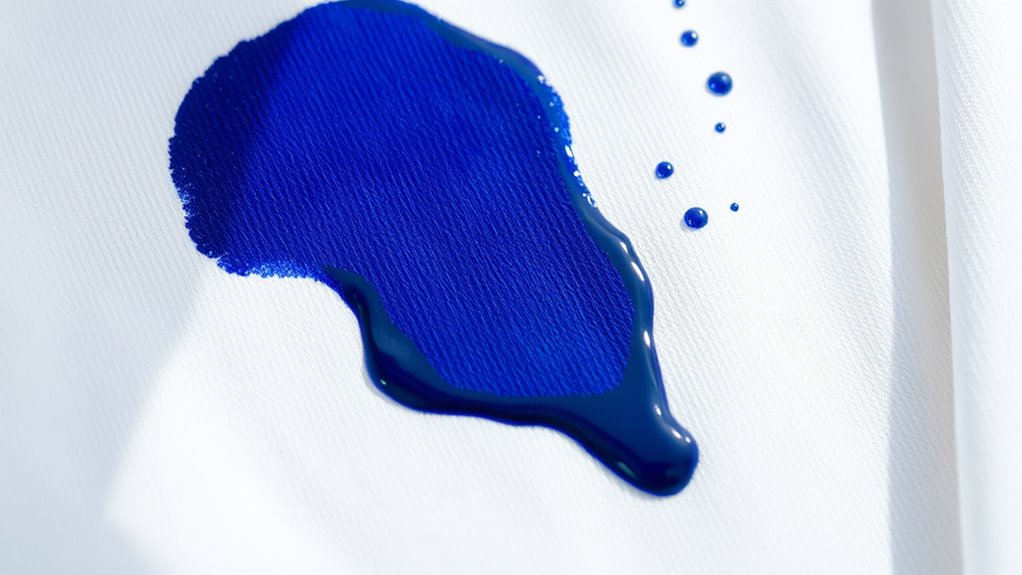
Have you ever wondered why some ink stains come out easily while others seem stubborn? It all depends on the ink type.
Water-based inks, like those in washable markers and fountain pens, are generally easier to remove because they respond well to simple stain removal methods, such as rinsing with water.
Water-based inks are easier to remove with simple methods like rinsing with water.
Oil-based inks, like ballpoint pen ink, are more resistant because they don’t dissolve in water. They require stronger solvents like rubbing alcohol.
Permanent inks are designed to resist fading and washing, making stain removal more challenging.
Knowing the ink type helps you choose the right cleaning methods. Water and mild solutions work well on water-based inks, while oil-based and permanent inks often need specialized solvents for effective stain removal.
Quick Actions to Prevent Ink From Setting in Clothes
When you spot an ink stain, act quickly by blotting it with a clean paper towel to soak up the excess.
Don’t rub the stain, since that can push the ink further into the fabric and make it harder to get out.
Next, rinse the area with cold water from behind the fabric. This helps flush out the ink before you start using any cleaning solutions.
Act Immediately
As soon as you notice an ink stain, acting quickly can make all the difference in preventing it from setting permanently. First, immediately blot the ink stain with a paper towel or clean cloth to absorb excess ink and stop it from spreading.
Next, sprinkle salt over the damp stain within minutes to draw out moisture and ink before it dries. Then, apply rubbing alcohol or hairspray directly onto the stain to dissolve the ink pigments promptly.
After treating the stain, rinse the area with cold water from the back of the fabric to remove loosened ink particles. Remember, acting swiftly and avoiding heat or hot water is essential to prevent the ink stain from setting deeper into your clothes.
Blot Without Rubbing
After quickly blotting the ink stain with a paper towel, it’s important to continue with gentle, dabbing motions rather than rubbing the fabric. Rubbing can push the ink deeper into the fibers, making it harder to remove later.
Use a clean paper towel or cloth underneath the stained area to absorb excess ink and prevent it from transferring. Carefully blot the ink stain from the outer edges inward to contain the spread.
This quick action helps absorb the ink without spreading it further. Remember, quick blotting prevents the ink from setting, so act fast.
Avoid pressing too hard; gentle dabbing is key to lifting the ink without embedding it into the fabric. This careful blotting keeps the stain manageable and sets the stage for successful removal.
Use Cold Water
Applying cold water immediately to the ink stain is one of the most effective ways to stop the ink from setting deeper into the fabric. When you rinse the stain from behind, you push the ink out of the fabric, helping to reduce how far it has penetrated. This quick action can really make a difference.
Here’s how to do it:
Hold the fabric under a cold tap, letting the water flow from behind the stain. Rinse thoroughly, making sure the cold water flushes out as much ink as possible.
Repeat this process quickly within the first few minutes of getting the ink on the fabric. Doing so improves your chances of removing the stain successfully.
Always avoid warm or hot water until you’ve fully treated the stain. Heat can cause the ink to bond more firmly to the fabric, making it harder to remove.
Applying Rubbing Alcohol or Hairspray to Remove Ink Stains
Rubbing alcohol and hairspray are handy tools for removing ink stains because they contain alcohol that can break down ink pigments.
Start by testing rubbing alcohol or hairspray on a hidden part of the fabric first. This helps prevent dye bleeding or damage.
Always test on a hidden fabric spot first to avoid dye bleeding or damage.
For rubbing alcohol, soak a cotton ball in 70% or 91% isopropyl alcohol and gently dab the ink stain. Let it sit for about 5 minutes.
If you’re using hairspray, spray it from about 6 inches away onto the stain, then blot with a clean cloth.
Both methods help dissolve the ink and lift it from the fabric. Afterward, rinse the area with cold water to remove any residual solvent and loosened ink particles.
This approach improves stain removal without harming your clothing.
Using Dish Soap and Vinegar for Tough Ink Stains
Mixing dish soap with vinegar creates a powerful solution to tackle stubborn ink stains. Just apply the mixture carefully to the edges of the stain and let it sit for a few minutes to loosen the ink.
Rinse thoroughly and repeat if necessary to make sure the stain is fully removed. This simple combo can really do the trick!
Combining Dish Soap and Vinegar
When tackling stubborn ink stains, mixing dish soap with white vinegar creates a powerful yet gentle cleaning solution. It’s great for removing stains on fabric because it breaks down ink pigments and oils without hurting the material.
To use it effectively, start by pouring a small amount of dish soap directly onto the stain, covering its edges. Then, add a few drops of vinegar, letting it bubble gently.
Next, use your finger or a cloth to dab the blend onto the ink, working from the outer edges inward. This helps lift the ink without harsh scrubbing.
Repeat the process if needed for darker or more stubborn stains. Always test on a hidden fabric area first to make sure it stays undamaged.
Applying Solution Effectively
Once you’ve prepared your dish soap and vinegar mixture, the key to effective stain removal is applying it properly. Dab the solution gently onto the ink stain, starting from the outside edges and working inward to prevent spreading. Apply enough to saturate the area without oversoaking.
Let the solution sit on the fabric for about 5-10 minutes, allowing it to break down the ink pigments. After sitting, blot the stained area with a damp cloth to lift the ink. Be sure to rinse the fabric from the back to push out the ink particles effectively.
Repeat the process 2-3 times if the stain remains stubborn or dark. Proper application guarantees the solution penetrates the fibers and maximizes stain removal.
Rinsing and Repeating
To effectively remove stubborn ink stains, start by rinsing the affected area with cold water from the back of the fabric. This helps loosen ink particles before applying any stain treatment.
Then, use a mixture of dish soap and vinegar to target the stain. To improve ink stain removal, follow these steps:
- Rinse thoroughly with cold water, ensuring the water flows through the fabric to lift the ink.
- Apply the soap and vinegar solution, gently working it into the stain.
- Repeat the rinsing process multiple times, especially after each treatment, to gradually fade the ink mark.
Consistency is key, so keep rinsing and reapplying until the stain diminishes. Multiple cycles of rinsing and stain treatment give your clothes the best chance at full ink removal.
Cleaning Delicate Fabrics Without Damage
Cleaning delicate fabrics without causing damage requires a gentle approach. To do this, opt for alcohol-based treatments like diluted rubbing alcohol or specialized stain removers designed for delicate materials.
Always test a small, hidden area first to check for discoloration or weakening. Avoid harsh chemicals such as acetone and refrain from aggressive scrubbing, which can fray or tear fibers.
Test a hidden spot first to prevent discoloration or damage before cleaning delicate fabrics.
Instead, use cold or lukewarm water to treat the stain, as heat can set it and harm sensitive fabrics. Pat the stain gently with a soft cloth or sponge, avoiding rubbing, to prevent stretching.
This gentle cleaning method helps lift ink without damaging your delicate fabrics, ensuring they stay intact and look their best.
Rinsing and Washing Clothes to Fully Remove Ink Residue
Rinsing and washing the garment thoroughly is essential for removing any remaining ink residue. To guarantee effective stain removal, follow these steps:
- Rinse the stained area with cold water from the back of the fabric to push ink particles out and prevent spreading.
- Apply a suitable stain remover or alcohol-based solution to loosen the ink before washing.
- Use cold or lukewarm water during the wash cycle to avoid setting the stain.
Check the stain before drying. If any ink remains, repeat the rinsing and pre-treatment process. Avoid high heat in the dryer until you’re sure the stain is gone, as heat can permanently set the ink stain.
Proper rinsing and washing are key to fully removing ink from your clothes.
Troubleshooting Stubborn Stains and When to Get Professional Help
Even after multiple household treatments, some ink stains just won’t budge.
For stubborn stains, trying more home remedies can risk damaging the fabric or setting the stain permanently, especially with dried ink.
Old, dried ink stains are tougher to remove and often need specialized solvents or techniques only available through professionals.
Applying heat too soon can seal in the stain, making it impossible to remove.
When alcohol or commercial stain removers don’t work, it’s best to seek professional help.
This way, you have the best chance of complete removal without harming delicate fabrics.
Professional cleaners use advanced technology and safer solvents that effectively treat stubborn ink stains.
Knowing when to call in the experts can save your clothes and keep them looking their best.
Tips to Prevent Ink Stains and Act Fast Next Time
To prevent ink stains from becoming a permanent problem, acting quickly is key. When you see ink on your clothes, follow these tips to stop it from spreading:
- Blot the spot immediately with a clean cloth or paper towel to soak up as much ink as possible and stop it from setting.
- Dab a small amount of alcohol or hairspray directly on the stain to treat the ink before it dries. Just make sure to test on a hidden area first.
- Treat the stain from the outside inward to contain it. Avoid rubbing, as that can make the stain worse.
Quick action helps keep the ink from sinking in deeper and makes it easier to remove later. Remember, blotting quickly and using alcohol are your best tricks to fight stubborn ink stains.
Frequently Asked Questions
How to Remove Ink From Clothes Instantly?
To remove ink instantly, grab some isopropyl alcohol and dab it onto the stain with a cotton ball. Don’t rub—just gently blot from the outside in.
Rinse the fabric with cold water from the back to push out the ink. Then, apply a bit of laundry detergent and gently scrub.
Wash in cold water and air dry to make sure the ink’s gone completely.
Does Dawn Soap Remove Ink?
Think of Dawn soap as a gentle knight facing ink’s dark shadow. It can help loosen water-based ink stains when you apply it directly and let it sit briefly.
While it’s not a magic wand, Dawn’s grease-cutting power may fade light ink marks. For stubborn stains, you’ll want stronger tools like specialized stain removers or alcohol.
Dawn is safe and quick but best paired with other treatments for tough ink.
Will Ink Eventually Wash Out of Clothes?
Yes, ink can eventually wash out of your clothes, especially if you act quickly. Water-based inks are more likely to fade after multiple washes, while permanent or oil-based inks might need special treatments.
Start with cold water to prevent the ink from setting further. For tougher stains, consider professional cleaning or using stain removers.
Patience and proper techniques will improve your chances of fully removing the ink over time.
What Can Dissolve Ballpoint Ink?
You can dissolve ballpoint ink with isopropyl alcohol or rubbing alcohol because they effectively break down the ink’s pigments and oils.
Just apply the alcohol directly onto the stain and let it sit for about 10-15 minutes to loosen the ink. Then, blot the stain and wash the fabric with detergent.
Make sure to test on an inconspicuous area first so you don’t accidentally cause damage or color bleeding.
Conclusion
Remember, quick action can turn ink stains from permanent scars into fleeting marks. A fast spray or dab might save your favorite shirt, so don’t wait too long.
Patience and proper cleaning are key to preventing irreversible damage. Sometimes, stubborn stains need professional help, reminding you that not every battle can be won alone.
So, act fast, stay patient, and treat each stain as a challenge. In the fight against ink, your quick response makes all the difference.