How to Erase Ink Stains With a Step-By-Step Guide
Dealing with ink stains can be really frustrating. Many people struggle with getting that stubborn ink out of their clothes, furniture, or surfaces. If you’re tired of ruining your favorite items or wasting time trying to clean them, you’re not alone.
Luckily, there are effective ways to erase ink stains and restore your belongings.
To erase ink stains, start by identifying the surface you’re working on. For fabric, apply rubbing alcohol or hand sanitizer to loosen the ink, then gently blot and rinse.
For leather or delicate surfaces, use soft tools and test a small area first.
For harder surfaces, consider solvents or specialized cleaners.
Act quickly and follow each step carefully. With patience and the right methods, you’ll be able to remove various ink stains effectively.
Key Takeaways
- First, figure out what type of surface you’re dealing with. This helps you pick the right tools and cleaning methods.
- Gently blot the excess ink with a clean cloth or paper towel. Just press lightly—rubbing can make things worse.
- Next, apply a suitable solvent like rubbing alcohol or hand sanitizer directly onto the stain.
- Let it sit for a few minutes to loosen the ink. Then, softly blot or scrub the area.
- Finally, wash or wipe the surface with water or a mild detergent. If needed, repeat the process before drying.
How Do Ink Stains Penetrate Different Surfaces?
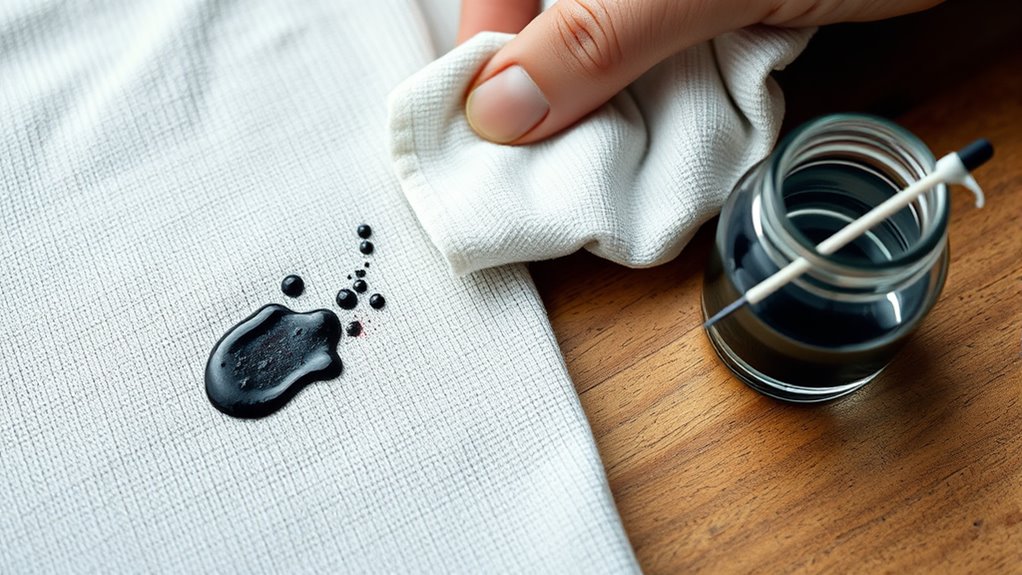
Ink stains penetrate surfaces mainly through capillary action, pulling the ink into tiny pores and fibers. Porous materials like leather and uncoated fabric allow ink to seep deep into their fiber structure, making removal more challenging.
The chemical composition of the ink also influences how it penetrates; water-based inks tend to spread differently than oil-based ones. On porous surfaces, ink can infiltrate through microscopic pores, spreading throughout the material’s natural fiber structure.
Leather’s natural fibers and pore structure significantly affect how deeply ink spreads and how difficult it is to remove. Conversely, non-porous surfaces like glass or metal prevent ink from penetrating, making cleaning much easier.
Understanding how ink interacts with different materials helps you choose the right approach for effective stain removal.
Tools and Materials Needed to Remove Ink Stains
To remove ink stains effectively, you’ll need specific tools and materials suited to the surface you’re working on. Always keep protective gloves and good ventilation in mind, especially when using strong chemicals like rubbing alcohol or acetone.
Gather surface-specific tools like soft cloths, cotton swabs, and items for pre-treatment. These will help you remove the stain safely and thoroughly without damaging the material.
Essential Cleaning Supplies
You’ll need a few key supplies to effectively remove ink stains. Rubbing alcohol is crucial because it dissolves ink quickly, making stain removal easier. Hand sanitizer or hairspray can also work as alternative solvents.
Keep some clean, soft cloths or cotton balls on hand to apply these liquids gently. This helps prevent surface damage. Mild detergents or specialized stain removers like Clorox 2™ are useful for post-treatment washing to guarantee all ink residue is gone.
For delicate surfaces, use microfiber cloths or soft brushes to avoid abrasion. Remember, working with strong solvents requires safety gear such as gloves and proper ventilation. Having these cleaning supplies ready will help you tackle the ink stain efficiently and safely.
Protective Equipment Needed
When removing ink stains, wearing the right protective equipment is key to keeping yourself safe from harmful chemicals. Start with disposable gloves to protect your skin from harsh solvents like rubbing alcohol or acetone.
Protective eyewear is also important, especially when working with strong solvents, to prevent splashes from reaching your eyes. Keep a clean, lint-free cloth or cotton swabs nearby to apply solvents precisely and avoid spreading the ink.
Use a timer or clock to keep track of the recommended contact time for products like vinegar solutions or Clorox 2™. Having a paper towel or absorbent cloth ready to blot excess ink or cleaning agents helps prevent further spreading or damage.
Relying on proper protective gear makes the cleaning process safer and more effective.
Surface-Specific Tools
Different surfaces need specific tools to remove ink stains effectively without causing damage. For delicate surfaces, use cotton swabs or small, pointed applicators like Q-tips for gentle, precise application.
Soft microfiber cloths are perfect for cleaning leather or coated materials. They prevent scratches and help spread cleaning agents evenly. Non-abrasive tools like plastic scrapers or sponges work well on porous surfaces, lifting ink without damage.
For tight or detailed spots, fine-tipped brushes can target ink stains precisely. Always pick the right tool based on the surface type and handle it gently to avoid further harm. Using the correct tools ensures effective ink removal while keeping the material safe.
How to Remove Ink From Fabric and Clothes
Removing ink stains from fabric needs quick action and the right steps to stop the stain from setting.
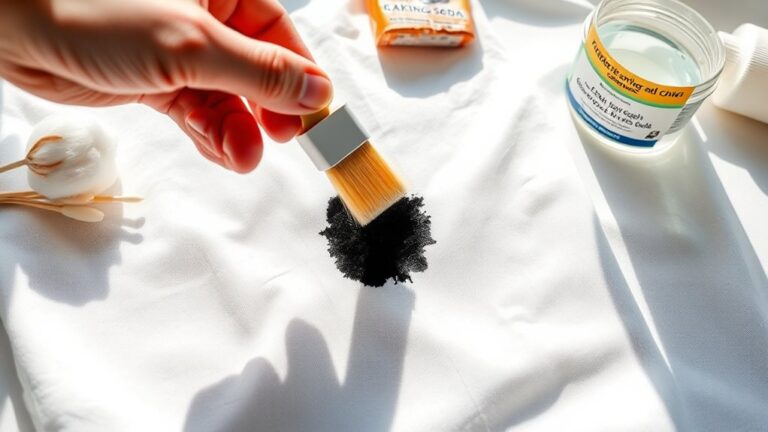
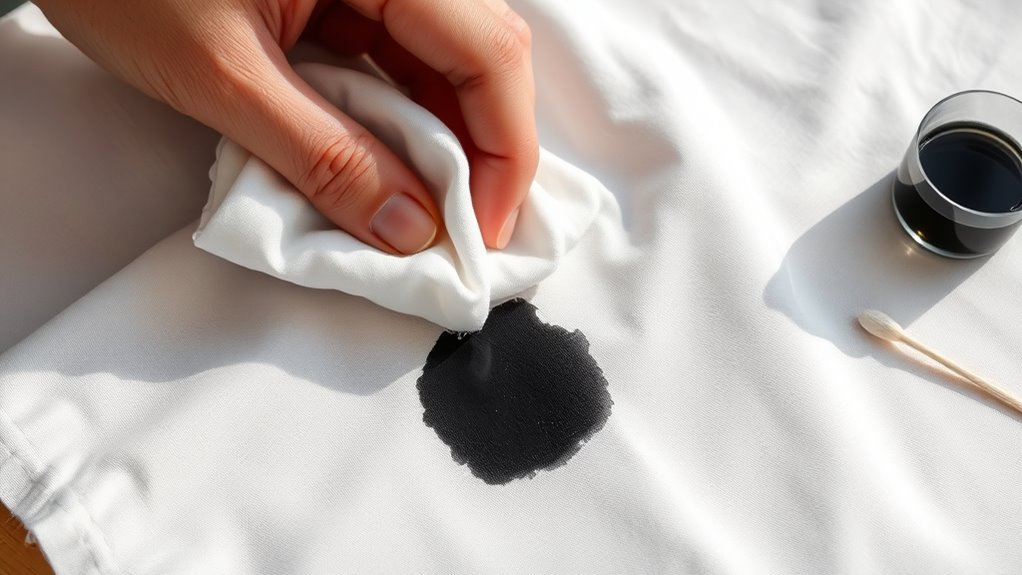
Start by soaking the stain with alcohol-based hand sanitizer or rubbing alcohol to loosen the ink. Then, gently blot with a clean cloth or paper towel to lift the ink without spreading it.
Next, apply a liquid, color-safe bleach like Clorox 2 directly on the stain and let it sit for about 10 minutes. Don’t let it dry out completely.
Wash the fabric in the hottest water suitable for the material, adding extra Clorox 2 and detergent if the stain is still visible.
Always check the stain before drying. Repeat the treatment if needed to make sure the ink doesn’t set with heat.
How to Safely Remove Ink From Leather and Delicate Surfaces
To safely remove ink from leather and delicate surfaces, start by testing a small, hidden area with a gentle solvent like rubbing alcohol or acetone. This helps ensure you won’t cause irreversible damage.
Gently dab or lightly rub the ink stain with a lint-free cloth or cotton swab soaked in your chosen solvent. Be careful not to apply too much pressure, which can scratch or damage the surface.
For unprotected or untreated leather, use minimal solvent and repeat light applications rather than aggressive scrubbing. This prevents ink from penetrating deeper or causing discoloration.
After you’ve removed the ink, clean the area with a damp cloth. Then, apply a leather conditioner to restore softness and keep the surface looking its best.
Always work in a well-ventilated space, wear gloves, and follow safety guidelines when handling solvents.
Troubleshooting Common Ink Stain Problems
When dealing with ink stains, it’s common to encounter issues that make removal harder. Dried ink stains are especially tricky because the ink fully penetrates fibers, so you’ll need more aggressive or repeated treatments.
Testing different cleaning agents on a small, hidden area helps prevent damage or discoloration, especially on delicate fabrics. If your first attempt to remove pen ink doesn’t work, try alternative methods like solvents or natural solutions.
Test cleaning agents on hidden spots first to prevent damage, especially on delicate fabrics. Try solvents or natural solutions if initial attempts fail.
Persistent stains often mean the initial approach wasn’t enough. Trying different types of ink — oil-based, water-based, or permanent — can help you find the most effective removal method. Be careful not to over-scrub or use harsh chemicals, as they can make the stain worse or damage the material.
Troubleshooting these common problems can lead to better results without causing unnecessary damage.
Tips for Successful Ink Stain Removal
Successful ink stain removal depends on having the right techniques and patience. First, always test your chosen stain removal method on a small, hidden area to prevent damage.
Act quickly on fresh ink stains, as dried ones are tougher and may need multiple attempts. Use gentle blotting techniques instead of rubbing, which can spread the ink or harm the fabric.
Apply the cleaner evenly over the stain, giving enough time for the solvent to penetrate and break down the ink. If the stain persists, repeat the process patiently without resorting to harsh methods.
For stubborn stains, you can consider using bleach cautiously, but always test first to avoid discoloration. With careful testing and gentle, consistent effort, you’ll improve your chances of successfully removing the stain.
Frequently Asked Questions
What Is the Easiest Way to Remove Ink Stains?
The easiest way to remove ink stains is to act quickly with alcohol-based hand sanitizer or rubbing alcohol. Apply a small amount directly onto the stain and gently blot, which helps dissolve the ink.
For colored fabrics, follow up with a color-safe stain remover. Always test first on a hidden area to make sure it won’t damage the fabric.
After treating the stain, rinse the area well and wash thoroughly to ensure the ink lifts completely.
Does Dawn Soap Remove Ink?
Dawn soap isn’t really made to fully get rid of ink stains, especially permanent or oil-based ones. It can help loosen some ink particles if you gently scrub with water first. Think of it as a pre-treatment step.
But don’t just rely on Dawn alone to completely remove the ink. For tougher stains, you’ll want to use stronger options like alcohol or specialized ink removers.
Use Dawn to prep the stain, then move on to more effective solutions for the best results.
Does Vinegar Dissolve Pen Ink?
Imagine vinegar as a gentle tide washing over ink, dissolving its stubborn hold. Yes, vinegar can break down water-soluble pen ink by reacting with its pigments, softening and lifting the stain.
You might see the ink fade as the acidity works its magic. However, this method works best on fresh, water-based inks and may not fully erase permanent or oil-based inks.
Patience and proper application are key.
Does Pen Ink Stain Permanently?
Pen ink stains can be permanent, especially if the ink soaks deeply into porous surfaces or fibers.
Permanent markers and oil-based inks are made to resist fading and water, so they’re harder to remove.
If you don’t act quickly or use strong solvents, the stain might set permanently.
Water-based inks are usually easier to clean, but some stains can still be tough to fully get rid of.
Conclusion
Think of ink stains as stubborn weeds in your garden. They might seem tough at first, but with the right tools and a little patience, you can clear them away.
By following these steps, you’ll turn your stained surface back into a blank canvas ready for new beginnings. Remember, every stain is just a challenge waiting for your attention.
With persistence and care, you’ll restore your items to their original beauty. Using these ink stain removal tips, you can make those stubborn marks disappear and keep your belongings looking fresh.