How to Get Ink Out of Clothes Effectively
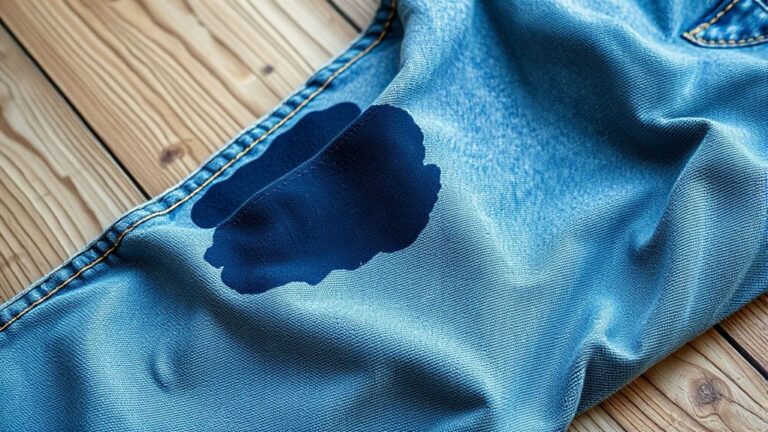
Dealing with ink stains on clothes is a common frustration, and you’re not alone. Many people struggle to find quick and effective ways to remove these stubborn marks. Luckily, there are simple methods that can save your favorite shirts and garments.
Act quickly when ink stains appear, as prompt action makes removal easier. Start by testing a small area with rubbing alcohol or hand sanitizer—these break down ink bonds effectively. Dab gently on the stain, then rinse with cold water.
For stubborn spots, natural remedies like vinegar or baking soda paste can help. Avoid harsh chemicals on delicate fabrics.
If you want to learn effective techniques for different ink types and tough stains, keep exploring the best solutions.
Key Takeaways
- Act quickly and apply rubbing alcohol or hand sanitizer directly to the stain for the best removal results.
- Test your cleaning solutions on hidden areas of the fabric first. This helps prevent any unexpected damage or discoloration.
- Use gentle dabbing motions when treating the stain. Be careful, especially with delicate fabrics, so you don’t cause any damage.
- Avoid hot water and heat until the ink stain is completely gone. Heat can set the stain, making it much harder to remove.
- For stubborn or oil-based inks, you might want to consider professional cleaning or look for specialized stain removers.
Why Acting Quickly Is Crucial for Ink Stain Removal
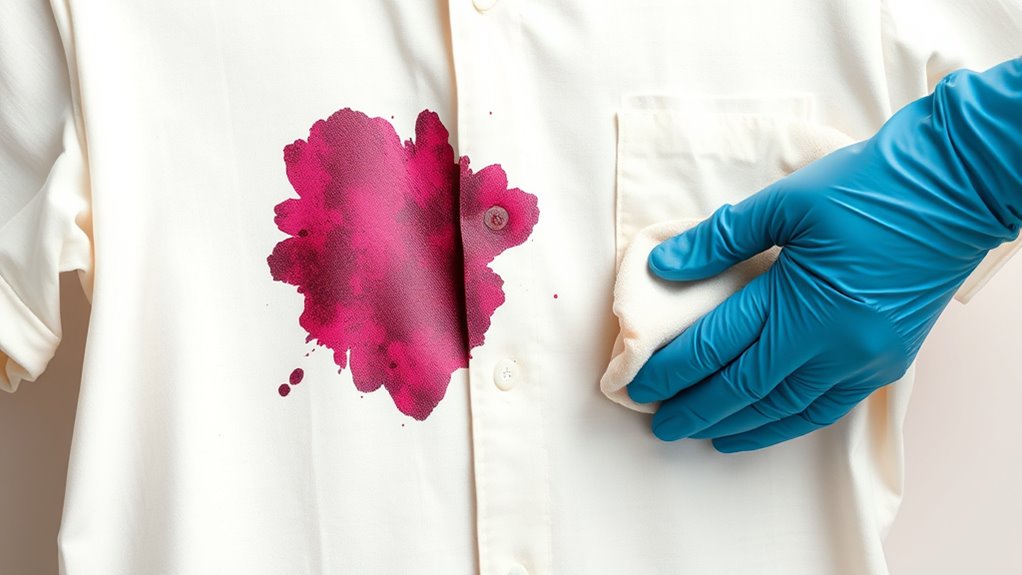
Acting quickly is essential when dealing with ink stains because the longer the ink stays on your clothes, the more it bonds with the fabric fibers. This makes the stain much harder to remove.
Quick action prevents ink from bonding with fabric, making stain removal much easier.
When you act fast, you can treat the ink before it dries and sets, increasing your chances of complete removal. Using solvents like alcohol immediately can break down the ink’s bonds and lift the stain more effectively.
Delaying treatment allows the ink to dry, making it resistant to cleaning solutions and more difficult to remove. Quick action also helps you avoid harsh treatments that could damage delicate fabrics.
The sooner you address the stain, the better your chances of keeping your clothes ink-free.
What Types of Ink Are Hardest to Remove?
Permanent inks, like those from markers, are the hardest to remove because they resist washing and fading.
Oil-based inks, such as ballpoint pen ink, sink deep into fabrics, making them more stubborn to clean.
Be careful with delicate fabrics since aggressive removal methods can cause damage.
Permanent Ink Challenges
Have you ever struggled to remove ink stains that just won’t budge? Permanent ink, like from markers or indelible pens, is made to resist stain removal. Its chemical makeup includes polymers that form a lasting bond with fabric, making physical removal tough.
Oil-based inks, such as certain ballpoint pen inks, go deeper into fibers, making them even harder to clean. Some inks also contain dyes or pigments that bond strongly with fabric fibers, which standard cleaners can’t easily break down.
These factors make permanent ink stains especially challenging to remove. Here’s a quick guide:
| Ink Type | Removal Difficulty |
|---|---|
| Permanent ink | Very difficult, needs special solvents |
| Oil-based ink | Deep penetration makes it tough |
| Dyes/Pigments | Bond strongly, resist normal cleaning |
Oil-Based Ink Difficulty
Oil-based inks, like those in ballpoint pens and permanent markers, are really tough to remove because their solvent-based formulas sink deep into fabric fibers. This makes stains from oil-based ink much harder to lift with basic cleaning.
To get rid of these stains, you’ll need stronger solvents like rubbing alcohol or acetone, which can break down the ink’s makeup. Keep in mind, if the ink dries or gets heat before you treat it, it’s more likely to set permanently.
You might need to apply these potent solvents multiple times. It’s also a good idea to test on a small, hidden area first so you don’t damage the fabric.
Delicate Fabric Risks
Removing ink from delicate fabrics can be tricky because some inks are more resistant to cleaning agents and can damage the fabric. Permanent ink and oil-based markers are particularly tough to remove from delicate materials like silk and wool since their chemical makeup resists solvents.
Water-based inks, such as fountain pen or washable marker ink, are easier to treat. Still, you need to be cautious because harsh chemicals like acetone or alcohol can cause discoloration or damage delicate textiles.
Rubbing or scrubbing aggressively with strong chemicals can permanently harm the fibers. For delicate fabrics, it’s best to use gentle methods and avoid harsh chemicals, especially on stubborn inks like permanent or oil-based types. This helps prevent irreversible damage.
Testing Cleaning Methods Safely on Your Fabric
Before treating your stain, test your cleaning method on a small, hidden area of your fabric to check for damage or discoloration.
Apply a small amount of solution and wait 10-15 minutes to see how your fabric reacts. This helps ensure it stays intact and colorfast.
Always use the right cleaning agents and avoid rubbing delicate fabrics. Rubbing can cause more damage, so be gentle.
Conduct Spot Test First
To guarantee the safety of your fabric, it’s vital to perform a spot test before using any ink removal method. This helps ensure the cleaning solution won’t cause discoloration or damage.
Here are steps to follow:
- Apply a small amount of the cleaning solution, like rubbing alcohol or vinegar, to a cotton swab and test an inconspicuous area of the fabric.
- Wait 5-10 minutes to observe any changes, such as dye bleeding, discoloration, or fabric damage.
- Keep a record of the results to decide if it’s safe to treat the entire ink stain.
Performing a spot test minimizes the risk of worsening the stain or ruining your clothes, making it an essential first step in ink stain removal.
Use Appropriate Cleaning Agents
When selecting cleaning agents for ink stain removal, always test them on a small, hidden area of your fabric first. This helps ensure the agent, like alcohol or vinegar, won’t cause discoloration or weaken the fibers.
Use a gentle dabbing motion to apply the solvent, avoiding spreading the stain or damaging delicate fabrics. After testing, wait 10-15 minutes to watch for any adverse reactions before moving on.
Choose cleaning agents that are compatible with your fabric type to prevent damage. Refer to the manufacturer’s care instructions for guidance.
| Cleaning Agent | Suitable Fabric Type |
|---|---|
| Rubbing Alcohol | Cotton, polyester, durable fabrics |
| Vinegar | Cotton, blends, sturdy textiles |
| Nail Polish Remover | Not recommended for delicate fabrics |
| Hand Sanitizer | Use with caution on colorfast fabrics |
| Commercial Stain Remover | Follow product instructions |
Avoid Rubbing Delicate Fabrics
Rubbing a stain on delicate fabrics like silk or lace can cause more harm than good, potentially fraying fibers or creating permanent damage. Instead, avoid vigorous rubbing and opt for gentle techniques.
To protect your delicate fabrics, always test a small, hidden area with your cleaning solution first to prevent discoloration. Use a damp cloth to gently dab or blot the stain—rubbing can push ink deeper or weaken fibers.
Allow the solution to sit for a few minutes, then tap lightly again. Avoid repeated rubbing, which can stress fragile fibers.
Using Rubbing Alcohol or Hand Sanitizer to Lift Ink Stains
Since both rubbing alcohol and hand sanitizer contain alcohol that can break down ink pigments, applying them directly onto the stain can help lift ink from fabric. You should pour a generous amount of rubbing alcohol or hand sanitizer onto the ink stain and gently dab with a clean cloth or cotton ball.
Allow the alcohol to sit for 10-15 minutes, and repeat the process if needed to increase the chances of complete removal. Before applying, test the alcohol on a hidden fabric area to make sure it won’t cause damage or discoloration.
Once the ink starts to lift, rinse the fabric with cold water and wash as usual to remove any remaining ink residue. This method can be quick and effective when used carefully.
How to Use Vinegar and Baking Soda for Ink Removal
To effectively remove ink stains with vinegar and baking soda, you need to mix the right solutions and apply them carefully.
Using equal parts vinegar and water creates a gentle solution to loosen the ink, while a baking soda paste helps lift the pigment directly from the fabric.
Let each treatment sit for at least 10-15 minutes before rinsing. Be prepared to repeat if the stain persists.
Mixing Properly for Effectiveness
Mixing the vinegar and baking soda properly is key to making an effective ink-removing paste. Start by combining equal parts of white vinegar and baking soda until it’s thick and spreadable.
Next, slowly add more baking soda or vinegar to get a smooth, lump-free paste. Mix well until everything is fully blended and there’s no separation.
Finally, tweak the mixture as needed so it stays consistent and easy to apply.
Applying and Removing Stains
Once you’ve prepared your paste, the next step is to apply it directly onto the ink stain. Use your finger or a clean cloth to gently dab the vinegar and baking soda mixture, making sure it seeps into the fabric.
This homemade stain remover works by breaking down ink pigments, so be patient during application. Let the paste sit for 15-30 minutes to give it time to work effectively.
After that, rinse the area thoroughly with cold water to wash away any leftover paste and loosened ink particles. If traces of ink are still there, repeat the process until the stain fades.
Using this method, you’re using simple ingredients to target ink stains, increasing your chances of complete removal with each try.
Removing Water-Based and Oil-Based Ink: Step-by-Step
Removing water-based and oil-based ink stains from clothing needs different approaches, but both can work well with the right steps. For water-based ink, gently blot the stain with a microfiber cloth soaked in cold water to lift the ink without spreading it.
Gently blot water-based ink stains with a cold, damp microfiber cloth to lift without spreading.
For oil-based ink, apply rubbing alcohol or hand sanitizer directly onto the stain and let it sit for 10-15 minutes to break down the oil components. Follow these steps:
- Blot water-based ink stains with cold water—avoid rubbing.
- Treat oil-based ink stains with a solvent like rubbing alcohol.
- Wash the garment thoroughly after treatment to remove any remaining ink and solvent.
Tips for Delicate Fabrics Like Silk and Wool
When dealing with ink stains on delicate fabrics like silk or wool, gentle handling is key to avoid damage or discoloration.
For effective stain removal, use mild solutions such as diluted white vinegar or specialized silk and wool stain removers. Never apply harsh chemicals like acetone or alcohol directly on these fabrics, as they can cause permanent damage.
Always perform a patch test on an inconspicuous area before treating the stain to ensure compatibility. Instead of rubbing or scrubbing, gently dab the ink stain with a soft cloth or cotton swab to lift it without stretching or tearing fibers.
If you’re unsure or the stain persists, it’s best to seek professional dry cleaning to safely remove ink from delicate fabrics like silk and wool.
How to Prevent Ink Stains From Setting During Washing
To prevent ink stains from setting during washing, it’s important to treat the stain thoroughly before putting the garment in the laundry. Acting quickly is key to avoiding permanent marks.
First, apply a solvent like rubbing alcohol or hand sanitizer directly onto the ink stain and let it sit for a few minutes. This helps break down the ink.
Next, rinse the area with cold water to loosen the ink and wash out any residual ink particles. Avoid using hot water, as heat can make the ink bond more tightly with the fabric.
Make sure the stain is fully treated and loosened before washing. Never dry the garment until you’re confident the stain is gone.
When Should You Use Commercial Ink Stain Removers?
If household remedies like alcohol or soap don’t do the trick, it’s time to consider commercial ink stain removers. Use them when ink stains are stubborn or won’t lift with home solutions, especially if the stain has set or is particularly persistent.
These specialized products are most effective when applied immediately after the stain occurs, increasing your chances of complete removal. Always follow the product’s instructions carefully, and test on a hidden fabric area first to prevent damage.
Commercial ink stain removers are designed specifically for ink, making them a safer choice for delicate fabrics or valuable garments. When household remedies fail or the stain proves tough to remove, turning to these commercial solutions can save your clothes and give you peace of mind.
Troubleshooting Persistent Ink Stains That Won’t Come Out
Persistent ink stains can be really frustrating, especially after trying multiple treatments without success. When a stain just won’t budge, it’s time to step up your game.
Start by reapplying rubbing alcohol to the stain and letting it sit for a few minutes. Then follow up with a strong stain remover. Repeating these steps can boost your chances of success.
Avoid hot water or heat, since they can set the ink deeper into the fabric. Use cold water instead, and steer clear of the dryer until the stain is gone.
For really stubborn or oil-based inks, professional cleaning or specialized products might be your best bet. Just make sure to test any treatment on a hidden area first to prevent damage or color bleeding.
Persistence is important, but know when it’s time to call in the pros.
Re-Treating Stubborn Ink Stains Effectively
When a stain refuses to come out after your initial efforts, re-treating it can make all the difference. For stubborn ink stains, apply more alcohol-based solutions like rubbing alcohol or hand sanitizer directly to the affected area.
Let it soak for 10-15 minutes, then gently blot or rinse to loosen remaining ink particles. Repeat this process if needed, but avoid letting the fabric dry out between treatments.
Soak for 10-15 minutes, then gently blot or rinse—repeat as needed without letting the fabric dry out.
Use a clean cloth or cotton swab to reapply the stain remover, avoiding harsh rubbing that could damage delicate fabrics. Always wash the clothing afterward to remove residual ink and cleaning agents.
Before drying, inspect the stain to prevent setting. Re-treating ink stains with patience can substantially improve your chances of complete removal.
How to Protect Your Clothes and Avoid Future Ink Damage
Protecting your clothes from ink damage starts with taking preventative steps before a stain occurs. To avoid future ink stains, always act quickly if a spill happens.
Use protective layers like a plastic cover or an old towel underneath your clothing during activities prone to ink stains. This extra layer can save you a lot of trouble later.
Test cleaning solutions on a hidden fabric area first. This way, you can prevent damage or color loss if the solution isn’t suitable.
Avoid using heat or dryers until you’re sure the ink stain is completely gone. Heat can set the stain and make it much harder to remove later.
Regularly check your garments and re-treat any leftover ink spots. This helps prevent stains from spreading or becoming more difficult to remove.
Following these simple steps can help you protect your clothes and keep ink stains at bay.
Frequently Asked Questions
How Can I Get Ink Out of Clothes Without Ruining Them?
To get ink out of clothes without ruining them, act quickly. Dab rubbing alcohol or hand sanitizer directly on the stain, gently blotting instead of rubbing.
Always test the solution on a hidden area first to make sure it doesn’t damage the fabric. Rinse the fabric from the back with cold water to prevent the ink from setting.
Repeat the process as needed, then wash the garment thoroughly. Avoid scrubbing vigorously to protect the fabric’s integrity.
Does Dawn Soap Remove Ink?
Dawn soap acts like a gentle warrior against grease, but when it comes to ink, it’s more of a cautious scout. It can help loosen some oil-based inks, especially when you mix it with water and gently blot.
But keep in mind, it’s not a magic fix—more like a helpful sidekick. For tougher ink stains, you’ll want stronger options like rubbing alcohol or hand sanitizer to really get rid of the mark.
Can You Get Ink Out of Clothes After They’ve Been Dried?
Yes, you can try removing dried ink from clothes, but it’s more challenging. First, test a small area with alcohol or a solvent-based stain remover; these may loosen the ink.
Gently blot or scrub the stain, then wash again. Keep in mind, results depend on fabric type and how long the stain has set. Persistence and patience are key.
But complete removal isn’t always guaranteed once the ink has dried.
What Removes Permanent Ink From Clothing?
When it comes to removing permanent ink from clothing, think of it as fighting fire with water. You should start by applying rubbing alcohol or a commercial stain remover directly to the stain. Gently dab, rather than rub, to avoid spreading the ink.
Let it sit for a bit, then wash the item thoroughly. You might need to repeat the process if the stain is stubborn because some inks are tougher to erase completely.
Conclusion
With a little quick action and the right tools, you can turn a stubborn ink stain into just a distant memory.
Think of your favorite shirt as a canvas waiting to be reclaimed, each cleaning step a brushstroke restoring its original beauty.
Don’t let ink stains paint a bleak picture. Armed with these tips, you’re the artist of your wardrobe’s comeback.
Ready to erase that mark? Get started and bring your clothing back to life with effective ink stain removal.