
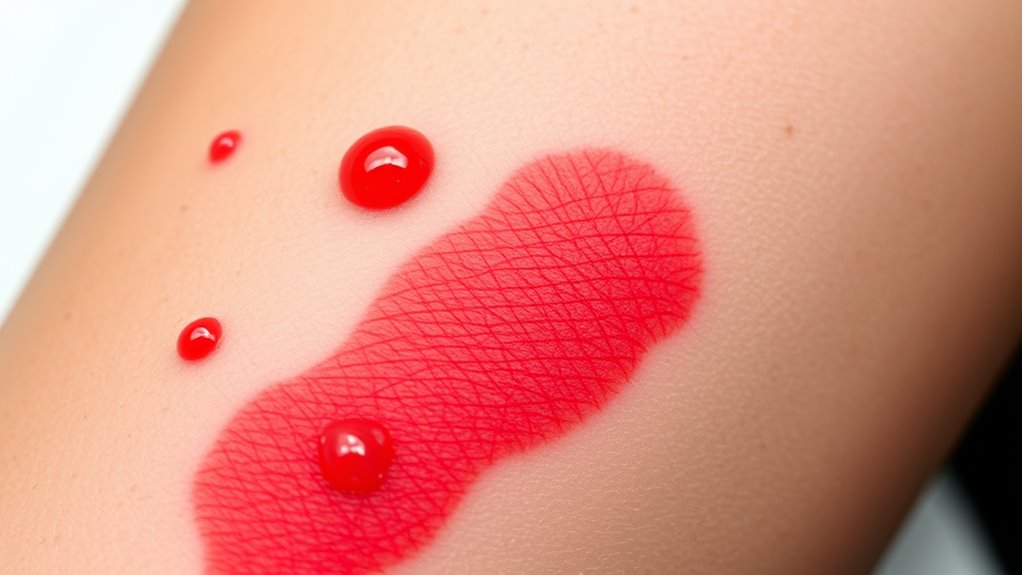
How Does Red Ink Hurt More During Tattoos?
Getting a tattoo can be exciting, but for many people, the pain can be a real concern. If you’re worried about discomfort, especially when it comes to red ink, you’re not alone. Many struggle with the extra soreness that red tattoo ink can cause.
Red ink tends to cause more pain and discomfort during tattoos because it requires multiple passes, which increases skin trauma and inflammation. It deposits less pigment per layer, meaning artists need to go over the area more often, prolonging irritation.
Plus, red ink often contains ingredients like heavy metals, cinnabar, or carmine that can trigger allergic reactions and prolong healing.
If you keep uncovering, you’ll find ways to minimize these issues and choose safer options.
Key Takeaways
– Red ink needs multiple layers to get the vibrant color, which means more skin trauma and inflammation during the tattoo process.
Because of this, your skin gets more irritated than with other colors.
The repeated passes with red ink can cause longer-lasting inflammation and discomfort.
Compared to black ink, red tends to hurt more because of the extra work involved.
– Ingredients like cinnabar and heavy metals in red ink can trigger allergic reactions and sensitivities.
These substances can make your skin react badly, leading to redness, swelling, and pain.
Red pigments often contain irritants that slow down healing and make the pain feel worse.
This means your skin stays raw and sensitive longer than usual.
– If you have sensitive skin, you might notice a stronger reaction to red ink.
It can cause increased pain, swelling, and a longer healing time.
Overall, red ink tends to hurt more because it provokes more irritation and takes longer to heal.
What Causes Red Ink to Be More Irritating During Tattoos?
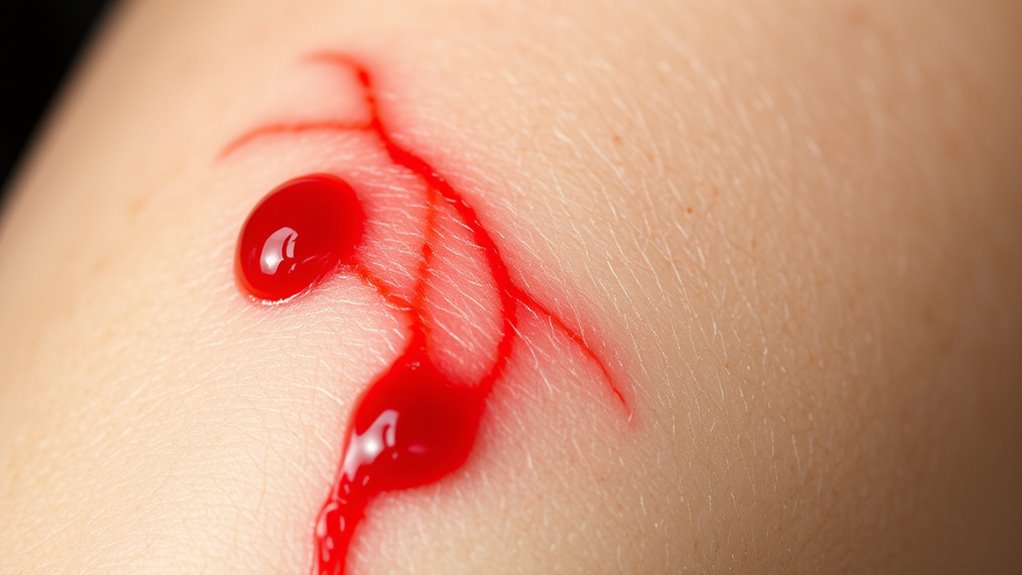
Red ink tends to be more irritating during tattoos because it often needs multiple layers to look vibrant. This extends the time your skin is under trauma, which increases inflammation.
The repeated passes with red ink cause more irritation, making your skin more inflamed and sensitive. Ingredients like cinnabar or certain pigments can also trigger allergic reactions, adding to the discomfort.
These substances may contain irritants or allergens that provoke inflammatory responses. As you get closer to finishing, the last application of red ink can worsen irritation because your skin is already inflamed from earlier passes.
The combination of layered application and reactive ingredients makes red ink more likely to cause pain and irritation during the tattooing process.
Which Ingredients in Red Ink Make It More Sensitive and Painful?
Certain ingredients in red tattoo ink can significantly increase skin sensitivity and pain during the process. The red pigment often contains cinnabar, a mercury-based compound that can cause allergic reactions and skin irritation.
Some red inks include azo pigments, which are known to cause allergic contact dermatitis and heighten discomfort. Carmine, derived from cochineal insects, can trigger immune responses, leading to more pain and inflammation.
Additives like preservatives and carriers in red ink can irritate sensitive skin, making the process more uncomfortable. Heavy metals such as mercury and cadmium found in certain red pigments make the skin more reactive, increasing pain during tattooing.
These ingredients make red ink more likely to cause allergic reactions and skin sensitivity, making the tattooing process more painful compared to other colors.
Why Do Artists Need More Passes When Using Red Ink?
Because achieving the vibrant, opaque look you want with red ink often requires multiple layers, artists find themselves making more passes over the same area. Red tattoo ink deposits less pigment per pass compared to black, so repeated layering is necessary to guarantee even coverage and vivid color.
Red ink needs multiple passes for vibrant, even coverage, increasing skin trauma and discomfort during the tattoo process.
This process prolongs skin trauma, increasing discomfort during and after the tattoo session. More passes also mean more skin irritation and inflammation, which can amplify pain sensations for you.
To prevent uneven coloring and get a consistent finish, artists need to go over the red ink multiple times. This repeated process not only extends the tattooing time but also increases the pain and irritation you might experience during your red tattoo.
Ultimately, more passes are essential for a striking, uniform red tattoo.
Are Metal and Dye Components in Red Ink Responsible for Allergic Reactions?
While red ink can produce striking visuals, its metal and dye components are often responsible for allergic reactions in sensitive individuals. The presence of metal-based pigments like mercury sulfide (cinnabar) and metals such as nickel or chromium can trigger immune responses, leading to skin irritation.
Additionally, some red inks contain azo dyes, which are linked to allergic contact dermatitis and skin sensitivities. These dye ingredients, especially organic and inorganic pigments, are more likely to provoke allergic reactions than other colors.
| Metal Components | Dye Components |
|---|---|
| Mercury sulfide (cinnabar) | Azo dyes |
| Nickel or chromium | Organic and inorganic pigments |
| Can cause immune responses | Trigger allergic contact reactions |
| Lead or cadmium | Provokes prolonged inflammation |
How Can You Minimize Discomfort When Tattooing With Red Ink?
To reduce discomfort when tattooing with red ink, choosing high-quality inks that contain fewer toxic ingredients is important. These are less likely to cause skin irritation and help make the process easier on your skin.
Since red, skin-tone, color tattoos tend to hurt more, minimizing trauma helps. Try to limit the amount of red ink applied at once and space out the layers to avoid prolonged pain.
Red and skin-tone tattoos can be more painful; minimize trauma by limiting ink layers and spacing out sessions.
Applying a numbing agent before starting can also lower nerve sensitivity, making the tattooing experience more comfortable. Proper skin hydration and avoiding sun exposure beforehand can decrease skin sensitivity and reduce pain.
Be sure to communicate with your tattoo artist about any skin sensitivities or past reactions so they can adjust their technique accordingly.
Are There Safer, Non-Toxic Red Ink Alternatives?
If you’re concerned about safety, you can choose red inks made from plant-based or organic pigments like cochineal or approved synthetic dyes.
These non-toxic options avoid heavy metals, lowering the risk of allergic reactions and toxicity.
Keep in mind, organic inks may fade faster but are generally gentler on your skin.
Organic Ink Options
Organic red tattoo inks are a safer alternative to traditional synthetic dyes because they use plant-based or mineral pigments that are less likely to contain harmful chemicals. These organic options help reduce the risk of toxicity, allergic reactions, and skin irritation, especially for sensitive skin.
Certified organic red inks often go through strict quality control and testing to make sure they contain minimal harmful chemicals and heavy metals. Some natural pigments, like carmine from cochineal insects, are considered organic but might cause allergies in some people.
Additionally, non-toxic lab-made red inks use inorganic pigments such as iron oxides or titanium dioxide, which are approved for cosmetic use. Choosing organic or non-toxic red inks is a good way to protect your skin and your long-term health during the tattoo process.
Non-Toxic Pigment Sources
Non-toxic red tattoo inks are increasingly made from safer, plant-based or mineral pigments that minimize health risks compared to traditional chemical dyes.
These non-toxic options often replace cinnabar or mercury-based compounds with organic pigments like carmine from cochineal insects or synthetic dyes designed for safety.
Many non-toxic red inks also feature azo-free and heavy metal-free formulations, reducing toxicity and skin irritation risks.
Manufacturers rigorously test these inks to meet strict safety standards set by organizations such as the European Union or the FDA, ensuring they’re safer for your skin.
Choosing non-toxic or organic labels markedly lowers the chance of adverse skin reactions associated with traditional red pigments.
These safer pigment sources help you enjoy tattoos while minimizing potential health concerns.
Safer Ink Formulations
Are there safer, non-toxic red ink alternatives available for tattooing? Yes, many safer ink formulations use plant-based or organic pigments that steer clear of heavy metals like mercury and cadmium. Some non-toxic red inks incorporate synthetic organic dyes, which are less likely to cause allergic reactions or skin irritation.
Regulatory agencies and certain countries have approved specific pigments for tattooing, including some red options considered safer. Many professional tattoo artists now offer red inks formulated with non-toxic, hypoallergenic ingredients to help reduce adverse skin reactions.
These safer ink formulations aim to minimize health risks by using more biocompatible materials, making your tattooing experience safer and less irritating. They often include plant-based and organic pigments, as well as synthetic organic dyes for reduced allergies.
Does Red Ink Lead to Longer Healing and Ongoing Pain?
Red ink tattoos often take longer to heal and can cause ongoing discomfort because they’re more likely to trigger allergic reactions and skin irritation. The presence of red ink, especially those containing heavy metals like mercury, can provoke immune responses that extend the healing process.
This increased skin irritation and inflammation slow down recovery, making red ink tattoos feel raw and painful for longer periods. Even after the initial healing phase, many people experience persistent discomfort in red ink areas due to allergic sensitivities.
The heightened immune response can cause ongoing inflammation, leading to chronic soreness or itchiness. If you have a red ink tattoo, be prepared for a potentially prolonged healing time and some lingering discomfort well beyond the typical recovery period.
Should Sensitive Skin People Avoid Red Ink Tattoos?
If you have sensitive skin, red ink tattoos might be riskier because they can cause allergic reactions and irritation. The pigments like cinnabar or carmine are common allergens that can lead to swelling, redness, or rawness.
To lower these risks, try allergy testing beforehand or opt for hypoallergenic inks. It’s a good idea to discuss these options with your tattoo artist before getting a red tattoo.
Increased Allergy Risks
People with sensitive skin should think twice before getting a red ink tattoo, as they’re more prone to allergic reactions from its common ingredients. Red ink often contains substances like cinnabar and heavy metals such as mercury, which increase allergy risks.
These ingredients can cause prolonged redness, swelling, itching, and rawness, making healing more uncomfortable. Sensitive skin reacts more strongly to red ink, leading to more inflammation and irritation.
If you have sensitive skin, you’re more likely to experience adverse reactions. It’s a good idea to avoid red ink or choose hypoallergenic options. Being aware of these allergy risks helps you make a safer decision about tattoo colors and reduces the chances of prolonged discomfort or complications.
Higher Healing Challenges
Individuals with sensitive skin often face greater challenges during the healing process after getting a tattoo, especially when red ink is involved. Red ink can contain ingredients like cinnabar or other pigments that trigger skin sensitivities and slow healing.
If you have sensitive skin, your body may react with prolonged inflammation, increased rawness, and irritation lasting several months. These reactions can hinder proper healing and raise the risk of complications.
Red ink’s propensity to cause allergic contact dermatitis makes recovery more difficult, leading to persistent discomfort and potential scarring. To minimize these risks and ensure a smoother healing process, it’s advisable for sensitive skin individuals to avoid red ink tattoos.
Choosing alternative colors can significantly reduce healing challenges and promote better skin recovery.
Key Tips for Red Ink Tattoos: Reduce Pain and Avoid Reactions
Red ink tattoos can be striking, but they often come with increased risk of irritation and discomfort. To reduce pain and avoid reactions, choose high-quality tattoo ink with minimal toxic metals.
Applying a numbing agent before your session can help lessen discomfort caused by layering with red ink. Limiting the amount of red ink or opting for smaller accents can also reduce skin trauma and pain.
An experienced tattoo artist who knows about red ink formulations is essential to prevent adverse reactions. Proper aftercare is just as important: protect your tattoo from the sun, clean it gently, and watch for signs of skin irritation.
Following these steps will help you enjoy your tattoo while minimizing pain and potential reactions.
Frequently Asked Questions
Why Does Red Tattoo Ink Hurt so Much?
Red tattoo ink hurts so much because it often requires multiple layers. This prolongs skin trauma and makes you feel more discomfort.
The ingredients, like cinnabar or certain pigments, can cause sensitivities and allergic reactions. This leads to burning or stinging sensations.
Additionally, the ink’s tendency to cause inflammation and irritation keeps the skin inflamed longer. This increases your pain perception.
Toxic metals in some reds may also trigger inflammatory responses, making the process even more painful.
What Is the 1/3 Rule Tattoo?
Think of the 1/3 rule as a safety net for your skin. It means your tattoo artist should complete no more than one-third of your session at a time.
This approach helps prevent overworking your skin, especially when using sensitive colors like red. By sticking to this rule, you reduce inflammation, minimize pain, and promote better healing.
What Is the Most Painful Tattoo Ink Color?
The most painful tattoo ink color is red. You’ll notice more discomfort because red ink often needs multiple layers, which can irritate your skin more.
Its ingredients, like cinnabar or other pigments, can trigger allergic reactions, making the pain worse. Since red is usually applied later when your skin is inflamed, it amplifies the pain and prolongs healing.
Can People With Autoimmune Diseases Get Tattoos?
Can you imagine risking your health for a tattoo? If you have an autoimmune disease, getting inked isn’t straightforward.
You might face delayed healing, skin reactions, or flare-ups. Your immune system could overreact to the ink, making symptoms worse.
Always talk to your healthcare provider first. They’ll help you weigh the risks and decide if a tattoo is safe for you, so you don’t compromise your health for body art.
Conclusion
If red ink turns your tattoo experience into a fiery dragon’s breath, it’s time to tread carefully. Its ingredients can be more irritating and cause more discomfort than other colors.
By understanding its hidden irritants and choosing safer alternatives, you can tame the flames and keep your skin calm. Think of red ink as a mischievous sprite—charming but tricky.
With the right precautions, you’ll navigate the ink’s wilderness smoothly. This way, your tattoo journey becomes a masterpiece, not a fiery ordeal. Red ink can hurt more, but with awareness, you can avoid the worst of it.