How Do Security Tags Have Ink Risks?
If you’ve ever dealt with security tags on clothing or retail items, you know how frustrating it can be when they cause more problems than they solve. Many people struggle with the risk of ink leaks and potential damage, which can turn a simple shopping experience into a messy situation.
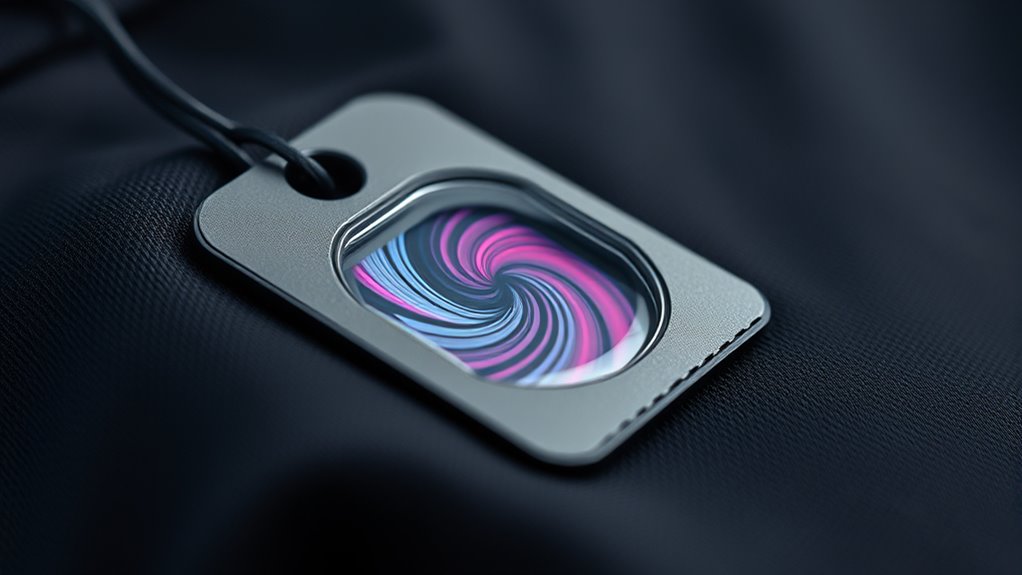
Security tags contain tiny ink capsules that rupture if tampered with or forcibly removed, causing ink to leak and damage merchandise or surfaces.
If these capsules break unexpectedly, they can stain clothing, products, or surfaces and pose health risks like skin irritation or toxicity.
Handling them improperly increases the chances of leaks and safety hazards.
To understand how to safely manage or prevent these risks, there’s more useful information to investigate.
Key Takeaways
- Ink leakage happens if the vial inside the security tag breaks during tampering or if it’s removed improperly.
- When the fragile ink vial breaks, it can stain merchandise and create potential health hazards.
- Handling the tags roughly or applying too much force increases the chance of accidental ink spills.
- Thieves might use tools like magnets or cutters to force the tag off and cause ink leaks.
- When staff remove tags improperly, it can lead to ink exposure, staining, and safety concerns.
What Are Ink Risks in Retail Security Tags?

Although security tags with ink are effective for theft prevention, they come with inherent risks. Ink leakage can happen if the tags are damaged or tampered with, which can damage merchandise and upset customers.
Improper removal of security tags often causes ink spills, staining clothing or other items. This can lead to complaints and extra cleaning costs. The ink inside these tags is designed to rupture when tampered with, but accidental damage or mishandling can cause unintentional leaks.
This leakage can create safety hazards, such as staining skin or clothing, and may require special cleaning procedures. While the ink is formulated to minimize health risks, it still can cause skin or eye irritation if spilled or mishandled improperly.
How Do Ink Vials Work When Tampered With?
When someone tries to tamper with a security tag, the ink vial inside reacts instantly. These vials are sealed in small glass or plastic capsules that rupture when force is applied.
Tampering triggers the ink vial, instantly releasing a permanent, visible stain as a clear security warning.
The rupture causes ink to leak quickly, spilling onto the merchandise or nearby surfaces. The ink is highly pigmented and designed to leave permanent stains, making it hard for thieves to sell or reuse the item.
This rupture mechanism acts as both a visual warning and a damage indicator. It discourages theft and tampering by making it obvious when interference has occurred.
Once broken, the ink leak is a clear sign that someone tampered with the item. It alerts store staff and helps maintain the security of the merchandise.
Why Do Retailers Use Ink in Security Tags?
Retailers use ink in security tags because it effectively deters theft by damaging merchandise if tampered with. This makes it clear that trying to steal the item won’t work.
It combines visual warnings with a simple, cost-effective way to prevent loss. That way, stores can protect their inventory without making shopping difficult.
Ultimately, using ink in security tags helps keep your favorite stores safe while still allowing honest shoppers to browse freely.
Theft Deterrence Effectiveness
Have you ever wondered why ink is so common in security tags? Ink tags are a simple yet effective way to deter theft by making shoplifters think twice before trying to tamper with them.
The visible ink leakage signals that attempting to steal the item could cause damage to the merchandise, discouraging theft altogether. This passive security measure helps prevent loss without bothering legitimate shoppers.
Since tampering with ink tags often damages the product, many shoplifters will give up to avoid ruining valuable items. Ink security tags are affordable tools that boost overall loss prevention and work well alongside other security measures.
Their passive design and visual warning make them a trusted choice for retailers. They help protect merchandise while keeping the shopping experience smooth and hassle-free.
Merchandise Damage Prevention
Ever wonder why ink is such a key part of security tags? It’s because the ink helps prevent merchandise damage, which is really important for retailers.
When someone tries to tamper with or remove a security tag, the ink leaks and damages the clothing or product intentionally. This damage makes the item less valuable or resaleable.
Security tags filled with ink act as a visual warning, showing that security measures are in place. If a thief tries to steal something, the ink will ruin the product and reduce the incentive to steal.
In the end, using ink in security tags helps retailers protect their inventory by damaging stolen items and making theft less profitable. It’s an effective way to prevent theft and safeguard merchandise value.
Cost-Effective Security Measure
Why do many stores choose ink-filled security tags as their go-to security measure? Ink tags are a cost-effective way to deter theft and protect merchandise.
They’re inexpensive to produce and easy to implement, making them perfect for handling large inventories. When a thief tampered with an ink tag, it damages the product, lowering its resale value and discouraging theft.
These security measures require minimal upkeep and can be used alongside other systems to boost loss prevention without costing too much.
For high-value or easily stolen items, ink tags offer a simple yet powerful way to protect merchandise. Their affordability and effectiveness make them a popular choice for retailers looking for budget-friendly security.
What Causes Ink Breakage and Leakage in Security Tags?
Ink breakage and leakage in security tags mainly happen when the internal glass vial gets shattered, usually because of tampering or forcing removal. When someone tries to take off or interfere with the tag, applying too much force can break the fragile glass vial.
Once the vial is broken, the ink can leak out through tiny cracks or holes, which can damage the merchandise. The way the ink cartridge is designed matters a lot—if it’s too fragile, it can break accidentally from impacts or rough handling.
Environmental factors like pressure or sudden impacts can also cause the vial to rupture unexpectedly. Here’s a quick overview of what causes these issues:
| Cause | Effect |
|---|---|
| Tampering or forcing removal | Shattered glass vial |
| Mishandling or impact | Unintentional ink leakage |
| Fragile cartridge design | Higher chance of breaking |
| Environmental stress | Unexpected rupture and leaks |
How Can Thieves Bypass Ink Security Tags?
Thieves often use strong magnets or common tools like wire cutters and pliers to disable or remove ink security tags.
They may also cover spill holes with tape or glue to prevent ink from leaking during removal.
Understanding these home-brew methods helps you recognize how vulnerabilities are exploited.
Strong Magnets and Tools
Strong magnets and simple tools pose a big threat to the effectiveness of ink security tags. Thieves can use strong neodymium magnets to weaken or disable magnetic security tags, letting them bypass the ink leak feature.
These magnets are often bought online and can disrupt the magnetic field that keeps the tag attached. This allows silent deactivation, making it easier for thieves to steal items without triggering alarms.
Basic tools like Dremel rotary cutters or needle-nose pliers can also break or remove ink tags completely. This makes the ink leak feature useless and leaves the item unprotected.
Even makeshift devices like rubber bands can manipulate the magnetic parts of tags. Thieves use these tricks to avoid setting off security alarms and make theft easier.
Advanced burglars exploit magnetic field oscillation and high-strength magnets to deactivate or detach tags quietly. This helps them steal items without alerting store security.
Home Bypass Methods
Many burglars have discovered that home-based methods can effectively bypass security tags without professional tools. They often use common household items to remove a security tag or stop theft.
Strong magnets, like neodymium magnets, can weaken or deactivate ink tags, allowing for removal without ink leaking. Skilled thieves also use tools such as needle-nose pliers or Dremel rotary tools to carefully cut or rupture the ink chamber inside the tag.
Covering ink spill holes with duct tape prevents ink from leaking onto merchandise during tampering. Some exploit vulnerabilities by applying brute force or makeshift devices to rupture the ink vial prematurely.
The table below highlights common home bypass methods:
| Method | Tools to Remove | Purpose |
|---|---|---|
| Using powerful magnets | Neodymium magnets | Disable ink tags |
| Cutting with tools | Pliers, rotary tools | Remove security tags |
| Sealing ink spill holes | Duct tape | Prevent ink leakage |
Common Mistakes When Removing Ink Tags Safely
Removing ink tags safely requires careful attention because common mistakes can lead to ink spills or damage to merchandise. First, using improper tools like pliers or screwdrivers not designed for ink tags can rupture the ink vial prematurely, causing a mess.
Second, applying too much force during removal risks breaking the vial inside, which can spill ink onto clothing or items. Third, ignoring the manufacturer’s instructions increases the chance of ink leakage and product damage.
To prevent issues, always follow the proper removal steps outlined by the manufacturer. Prepare yourself with the right tools, avoid rushing the process, and handle the tag gently. By avoiding these common mistakes, you can keep your merchandise clean and intact without damage.
Are There Safety Concerns From Ink Leakage?
While safely removing ink tags reduces messes and damage, it’s important to consider potential safety concerns from ink leakage.
Security tags with broken ink capsules can leak ink, which might cause skin irritation or allergic reactions, especially for sensitive individuals.
Broken ink capsules can leak, causing skin irritation or allergic reactions, especially in sensitive individuals.
If ink spills onto clothing or skin, it can be hard to clean and may stain or damage surfaces.
In rare cases, ink leaks could be toxic or harmful if ingested or if it contacts your eyes.
Handling or removing security tags improperly increases the risk of accidental ink exposure.
To stay safe, always follow proper procedures when dealing with security tags, and be cautious of ink capsules that could break during removal.
How Can Retailers Minimize Ink-Related Risks?
Retailers can significantly cut down ink-related risks by using tamper-evident security tags that only leak ink when forcibly removed with special tools. These tags make sure ink leaks happen mainly during intentional removal, reducing the chance of accidental damage.
To protect your merchandise even more, try these tips:
- Cover or seal small ink spill holes with tape to prevent accidental leaks during tampering.
- Opt for advanced security tags with controlled ink release features to minimize unintended leaks.
- Regularly check and maintain your security tags, replacing any that show damage or wear.
Frequently Asked Questions
Is There Actually Ink in Security Tags?
Yes, many security tags do contain ink. You’ll notice small glass vials inside them that hold the ink and burst if someone tries to tamper with or remove the tag forcefully.
When broken, the ink spills onto the merchandise, making it damaged or difficult to sell. The ink is usually non-toxic, but it can cause stains and messes.
Why Is There Ink in a Security Tag?
You might wonder why ink is in security tags. The ink acts as a strong deterrent because when someone tries to steal or tamper with the item, the tag breaks and leaks ink. This ruins the product and makes it less appealing.
This visual damage discourages theft since stolen goods become unusable or undesirable. The ink also shows shoplifters that tampering will cause visible, irreversible damage, which helps keep stores more secure.
Does Foil Really Block Security Tags?
You can’t judge a book by its cover, and foil doesn’t really block security tags. While it might temporarily prevent alarm activation, it doesn’t stop the ink from leaking if someone tampers with the tag.
Tampering triggers the ink spill, regardless of foil shielding. So, foil isn’t a reliable way to prevent ink risks. It’s more of a distraction than a solution, and thieves can still cause damage.
How to Get off an Ink-Filled Security Tag?
To remove an ink-filled security tag, avoid using force or DIY methods that might cause ink to spill. It’s best to ask store staff for professional removal tools since they know how to safely handle the ink vial without damaging your item.
If you’re in a rush, you can temporarily cover the tag’s holes with tape. This helps prevent ink from splattering during removal. But, always seek expert help to avoid making a mess or causing damage.
Conclusion
While ink in security tags is a clever theft deterrent, it’s not without risks. You need to be cautious—both as a retailer and a thief—because ink leaks can cause messes or even injuries. Think of it as a ticking time bomb waiting to spill its secrets.
By understanding the risks and handling tags carefully, you can prevent mishaps and keep your store safe. After all, knowledge about ink risks is the key to turning danger into protection.