What Makes Edible Octopus Ink Edible?
Many people love adding vibrant colors to their dishes but worry about the safety of artificial food dyes. If you’re looking for a natural and healthy alternative, edible octopus ink might be just what you need.
Edible octopus ink is safe because it’s naturally produced by the animal, containing non-toxic melanin, proteins, minerals, and antioxidants. It’s carefully extracted, cleaned, and processed to remove contaminants, bacteria, and heavy metals, ensuring it meets strict safety standards.
Its natural composition reduces the need for artificial additives, making it a healthy food coloring option. To understand how it remains safe and beneficial, you can examine more about its production, safety regulations, and culinary uses.
Key Takeaways
- It comes from octopus ink sacs, which naturally contain safe, non-toxic melanin and other bioactive compounds.
- The ink is carefully processed, sterilized, and checked for quality to remove any harmful contaminants and pathogens.
- It’s produced following strict safety standards, including tests for heavy metals, bacteria, and residues.
- Since it’s a natural food coloring, it doesn’t contain artificial additives or toxins.
- When properly sourced and processed, its natural pigments and nutrients are safe to eat.
What Is Edible Octopus Ink and How Is It Made?
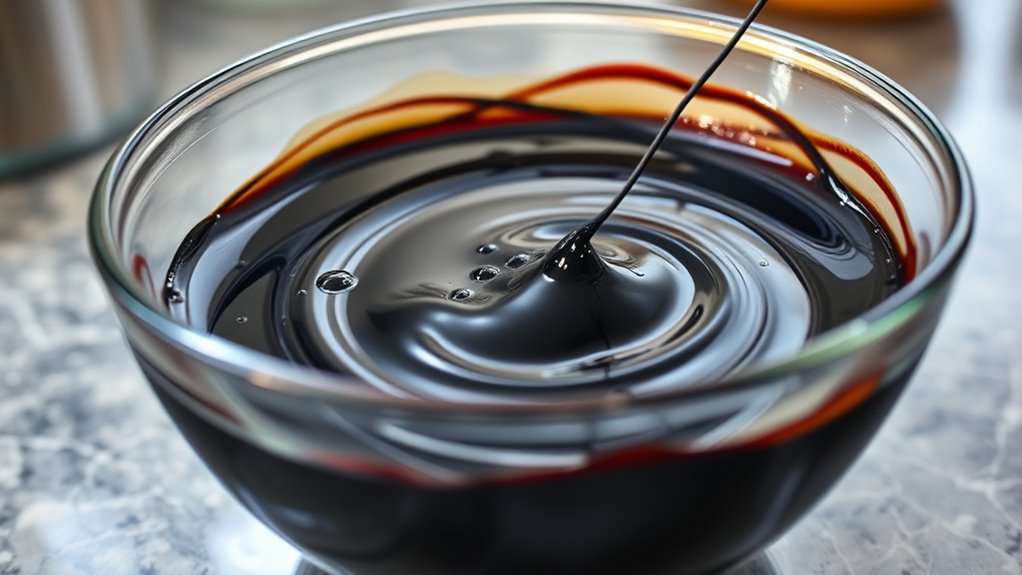
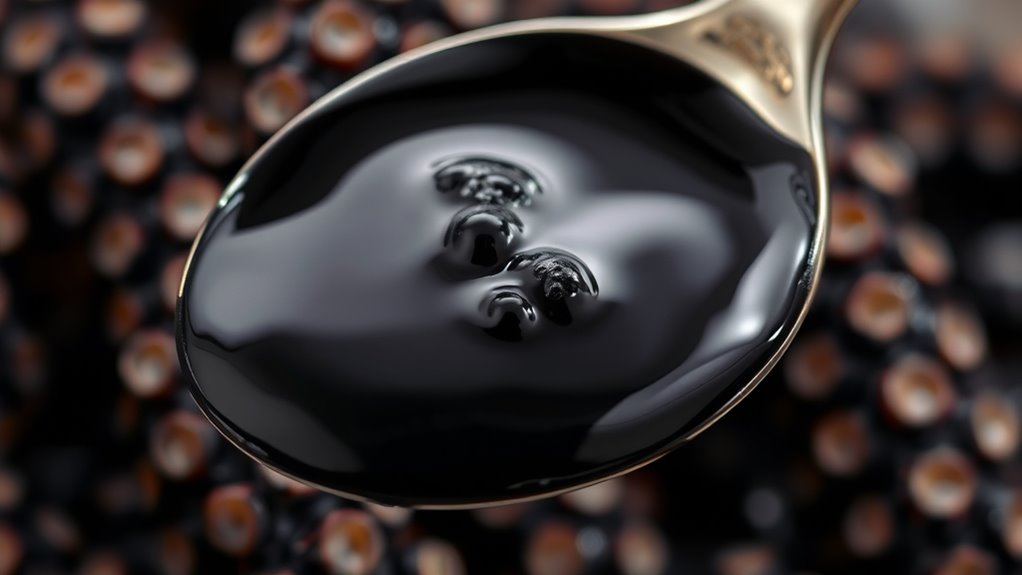
Edible octopus ink is a natural pigment stored in the ink sacs of octopuses. It serves purposes like defense and communication.
To produce it, seafood processors carefully extract the ink sac from the octopus and puncture it to release the ink. This ink is mainly made up of melanin, enzymes, proteins, and trace minerals, which give it its dark color and flavor.
Seafood processors carefully extract and puncture the octopus ink sac, releasing a dark, flavorful, and natural pigment.
Once collected, the ink goes through cleaning, drying, and sometimes milling or filtering. This process creates a stable, edible form that’s perfect for cooking.
Because of its natural makeup, octopus ink is a versatile ingredient. It adds both flavor and a striking color to various dishes.
The extraction process ensures the ink remains safe and edible, making it ideal for culinary use.
Is Octopus Ink Safe to Eat? Key Safety Considerations
Octopus ink is generally safe to eat because it’s a natural, edible secretion that’s processed to meet safety standards.
However, if you have shellfish allergies, you should avoid it to prevent allergic reactions.
Always choose products from reputable sources to guarantee they’re free from harmful contaminants.
Edibility and Food Safety
Because octopus ink is harvested and processed according to strict food safety standards, it’s generally safe to eat. It’s naturally produced by octopuses and has been used in dishes for centuries. Proper processing includes sterilization, drying, and rigorous quality control testing to ensure it’s free from harmful contaminants.
To break it down, here’s how the process works:
| Step | Purpose | Result |
|---|---|---|
| Harvesting | Careful extraction | Prevents bacterial growth |
| Processing | Sterilization and drying | Eliminates pathogens |
| Testing | Quality control checks | Ensures safety |
| Packaging | Sealed for freshness | Maintains hygiene |
| Consumption | Safe to consume | Edible with confidence |
While it’s safe for most people, those with shellfish allergies should be cautious.
Potential Allergen Risks
Is octopus ink truly safe for everyone to enjoy? While it’s generally low in allergens and processed under strict food safety standards, some people should be cautious.
People with shellfish allergies might have reactions due to cross-reactivity or trace residues, even though octopus ink isn’t a common allergen. Proper harvesting and hygienic handling help reduce contamination risks like bacteria or spoilage.
Regulatory agencies test octopus ink for contaminants such as heavy metals and bacteria before it reaches consumers, which helps ensure safety. Still, allergic reactions, though rare, can happen, especially in sensitive individuals.
If you know you have shellfish allergies or food sensitivities, talk to a healthcare professional before trying octopus ink to avoid any adverse effects.
What Natural Components Make Octopus Ink Edible and Beneficial?
You might find that octopus ink contains natural components like melanin and pigments, which make it safe and appealing for cooking.
It also offers bioactive compounds such as antioxidants, amino acids, and trace minerals that can provide health benefits.
These natural elements ensure the ink is both edible and potentially good for you, without any artificial additives.
Melanin and Pigments
The key natural component that makes octopus ink edible is melanin, a pigment responsible for its deep black color and safety for human consumption. Melanin is a biological pigment naturally produced by the octopus, similar to human skin pigmentation, and it’s non-toxic.
Alongside melanin, other pigments like catecholamines and polysaccharides also contribute to the ink’s vibrant hue. These pigments are naturally occurring and safe to eat.
The chemical stability of melanin ensures it stays safe and effective as a food additive, providing color without toxicity. Its natural origin and biochemical makeup make octopus ink not only edible but potentially beneficial, as its pigments are stable, non-harmful, and suitable for cooking.
Nutritional and Medicinal Compounds
Octopus ink is packed with natural compounds that make it not only edible but also potentially good for your health. It contains melanin, enzymes, and amino acids that are all safe to consume.
The ink also has bioactive compounds like antioxidants and neurotransmitters such as dopamine and L-DOPA, which might offer health benefits. Its mineral content, including trace metals, stays within safe dietary levels, so it’s considered safe to eat.
These natural components, like polysaccharides and catecholamines, come from the octopus’s ink sacs and are non-toxic. Recognizing these compounds highlights the medicinal potential of octopus ink.
- Melanin provides antioxidant properties and helps protect cells.
- Bioactive compounds like dopamine may support mental health.
- Trace metals and amino acids contribute to overall nutrition.
How Do Octopuses Produce and Control Their Ink Defense?
Octopuses produce ink using special ink sacs near their digestive systems, which store a dark, melanin-rich fluid. This ink is part of their defense system, helping them escape predators.
When threatened, the octopus contracts muscles around the ink sac and funnel, releasing the ink. It’s expelled through the siphon, creating a cloud that confuses predators and blocks their view.
The octopus can control how much ink it releases, adjusting things like viscosity and concentration depending on the danger. Mucus is also mixed in, making the smokescreen stick around longer and work better.
How Is Octopus Ink Processed to Ensure Food Safety?
To guarantee octopus ink is safe for consumption, processors carefully extract the ink sacs from live or freshly caught animals and wash them thoroughly to remove any tissue, mucus, or impurities. This initial step, known as ink extraction, is vital for maintaining food safety.
The ink then undergoes processing methods like heat treatment, such as pasteurization or sterilization, to eliminate bacteria and pathogens. During this phase, impurities removal is essential to confirm purity.
The processed ink is dried or filtered, producing a stable, safe product suitable for culinary use.
Key aspects include precise extraction to prevent contamination, robust sterilization to ensure safety, and effective impurities removal for purity and quality.
Why Is Octopus Ink Considered a Natural Food Coloring?
Because octopus ink undergoes careful extraction and processing to guarantee safety, it’s also valued for its natural properties as a food coloring. This ink is derived directly from the seafood itself, containing melanin and organic compounds that give it a rich, dark hue.
When used in culinary dishes, especially in Mediterranean and Japanese cuisines, it adds vibrant color without relying on synthetic dyes. The ink is harvested from the octopus’s ink sacs during processing, ensuring safety and quality.
Its natural composition includes antioxidants and bioactive compounds, making it safe for consumption in typical culinary amounts. Regulatory agencies recognize octopus ink as an edible seafood derivative, affirming its status as a safe, natural food coloring option.
Are There Any Allergens or Toxins in Octopus Ink?
While octopus ink is generally safe to eat, it’s good to be aware of potential allergens and toxins. The ink naturally produced by the mollusk doesn’t contain any known toxins at typical culinary levels, so it’s safe when sourced properly.
However, if you have a shellfish allergy, you should exercise caution because there’s a chance of cross-reactivity. Commercial processing and quality control usually ensure the ink is free from harmful contaminants, bacteria, and toxins.
What Are the Benefits of Using Edible Octopus Ink in Cooking?
Edible octopus ink offers a unique combination of color, flavor, and health benefits that make it a valuable ingredient in culinary creations. Its rich black hue adds visual appeal to dishes, while its savory, umami taste amplifies flavors.
Octopus ink contains antioxidants and amino acids, which may contribute to health benefits. Since it’s processed and purified, it meets food safety standards, making it safe for consumption.
The natural composition of edible ink, derived from the octopus’s ink sacs, contains no toxins or harmful substances. Regulatory agencies recognize octopus ink as a safe, edible ingredient.
It’s a trusted choice for chefs looking to elevate their dishes. Incorporating edible octopus ink adds both aesthetic appeal and nutritional advantages to your culinary repertoire.
How Do Regulations Guarantee the Safety of Octopus Ink?
Regulations guarantee the safety of octopus ink by setting strict standards for its sourcing, processing, and testing. This means you can trust that the ink comes from healthy, farmed, or wild octopuses that meet high safety standards.
Food safety authorities require thorough cleaning, processing, and testing to make sure the product is free from harmful bacteria, toxins, and contaminants. Certified octopus ink must follow hygiene protocols like HACCP and ISO standards, which help keep safety levels high.
Ingredients are also inspected for allergens, heavy metals, and chemical residues before the product is approved for sale. To keep consumers informed, regulatory agencies enforce labeling rules that disclose the origin and processing methods.
This comprehensive approach ensures the safety and quality of edible octopus ink, giving you confidence in what you’re consuming.
Frequently Asked Questions
Is Eating Octopus Ink Bad for You?
Eating octopus ink isn’t bad for you when it’s properly processed and sourced from reputable suppliers.
It’s made of natural, non-toxic compounds like melanin and enzymes, and food safety standards ensure it’s free from harmful bacteria or toxins.
But if you have shellfish allergies, you should be cautious because it comes from mollusks.
When eaten responsibly, octopus ink can add flavor without any health risks.
Is Octopus Ink Poisonous to Humans?
No, octopus ink isn’t poisonous to humans. Think of it as a natural dye, like a safe, vibrant paint made by the octopus itself, used in cooking for centuries.
It contains non-toxic compounds like melanin, so it’s safe to eat. While allergic reactions are rare, if you have shellfish allergies, it’s best to exercise caution.
Why Do People Eat Octopus Ink?
You eat octopus ink because it adds a rich, savory umami flavor and a striking black color to your dishes like pasta, risotto, and sauces. It contains natural components like melanin, enzymes, and minerals that enhance taste and presentation.
Culturally, it’s valued in Mediterranean and Japanese cuisines, where it’s used both for its unique flavor and visual appeal. This makes your dishes more interesting and authentic.
Is There Any Benefit to Eating Squid Ink?
They say “you are what you eat,” and eating squid ink can offer benefits. It’s packed with antioxidants, proteins, and minerals that support your health.
Its antimicrobial properties may help boost your immune system. As a natural food ingredient, it’s safe to consume in small amounts.
Adding squid ink to your diet can give dishes extra flavor and nutrients. It’s a tasty way to enjoy some potential health perks.
Conclusion
Think of edible octopus ink as a hidden treasure, carefully guarded by nature’s own pirates. When properly harvested and processed, it becomes a safe, vibrant gift that adds depth and mystery to your dishes.
By respecting its origins and safety standards, you unveil a flavorful secret, like discovering a shimmering pearl in an ocean of culinary possibilities.
This natural wonder is what makes edible octopus ink truly special. Embrace it and let your cooking sail into uncharted, delicious waters.