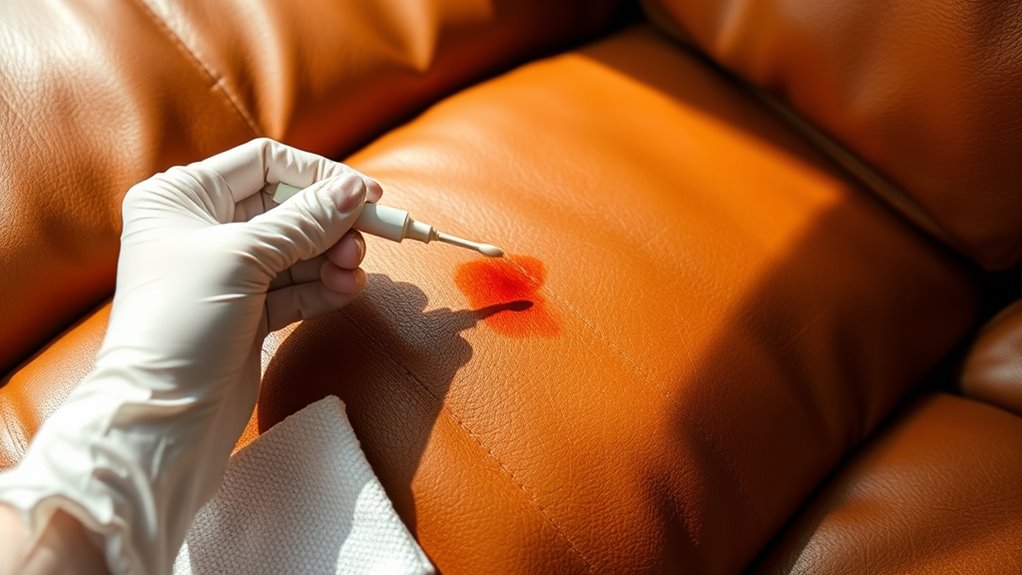
How to Remove Ink Stains From Leather Couch
Dealing with ink stains on your leather couch can be frustrating, and you’re not alone in struggling with this common issue. Many people find it challenging to remove ink without damaging their furniture, but don’t worry—you can tackle it effectively.
With a few simple steps, your leather couch can look as good as new.
To remove ink stains from your leather couch, act quickly by blotting the spill with a soft, dry cloth to absorb as much ink as possible.
Identify your leather type first, whether it’s aniline or pigmented, to choose the right cleaning approach.
For fresh stains, gently dab with a mixture of mild soap and water or use hairspray.
Follow up with leather conditioner to keep your couch soft and protected.
If stains persist, exploring professional cleaning tips can help when you finish exploring this guide.
Key Takeaways
- Act quickly by blotting the ink with a dry, soft cloth to prevent it from setting deeper into the leather.
- Before applying any cleaning solution, do a spot test with mild soap and water on an inconspicuous area. This helps ensure the solution won’t damage your leather.
- Use gentle methods like dampened cloths or specialized ink removers. Avoid harsh chemicals or scrubbing, as these can harm the leather.
- After cleaning, apply a leather conditioner to restore moisture and keep the leather soft and supple.
- Regularly conditioning and protecting your leather can help prevent future ink stains and extend the life of your furniture.
Why Ink Stains Are Difficult to Remove From Leather
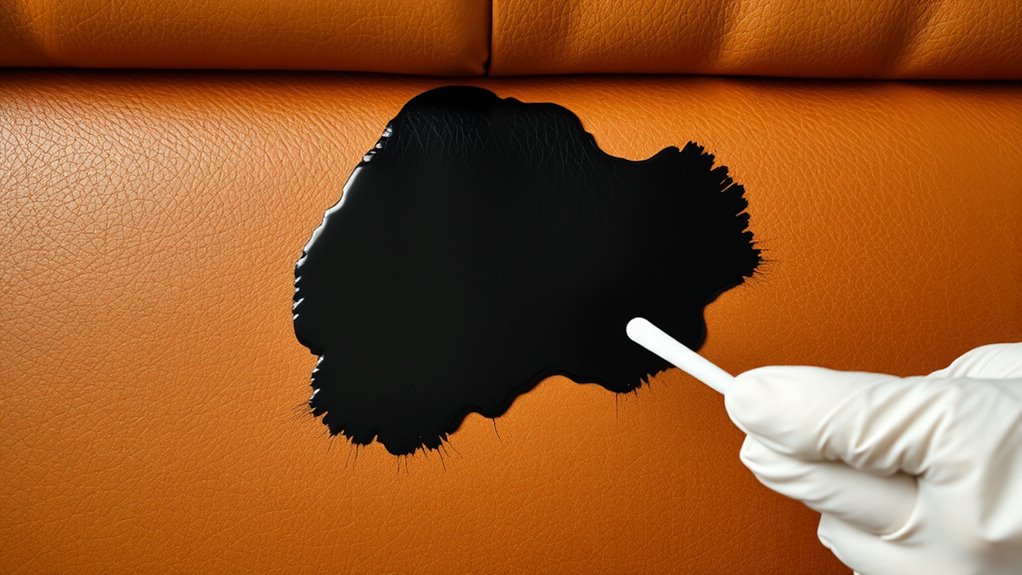
Ink stains are tough to remove from leather because the dye seeps deep into the porous surface. It makes it hard to lift out completely. When ink touches leather, it penetrates beyond the surface and gets into the fibers.
This deep infiltration makes the stain stubborn and resistant to superficial cleaning. The leather’s natural oils and finish can trap ink particles, which further anchors the stain.
Plus, the chemical makeup of ink allows it to bond with leather fibers, making removal even more complicated. Older ink stains are harder because they tend to set into the material over time.
The type of leather also plays a role. Some types are more prone to absorbing stains and holding onto them. All these factors together make ink stains particularly difficult to get rid of from leather surfaces.
How to Identify Your Leather Type Before Cleaning
To identify your leather type, start by examining the surface finish. Pigmented leather has a uniform, opaque coating, while aniline leather feels softer and more porous.
Check for labels or manufacturer details on your furniture, which often specify the leather type. This can give you quick and reliable information.
Finally, perform a gentle test with a mild cleaner in an inconspicuous area to see how the leather reacts before cleaning the stain.
Leather Finish and Surface
Ever wondered how to identify your leather’s finish before trying to clean it? Knowing this helps you choose the right cleaning methods and avoid damage.
Check the surface texture: pigmented leather has a smooth, coated finish with consistent color, indicating a protective layer. Aniline leather feels more natural and porous, absorbing dyes easily.
To be sure, test a small, hidden area with your cleaning products. Some finishes can be damaged or stripped easily, so it’s better to check first.
Understanding whether your leather is coated or porous helps you pick the right cleaning agents. This way, you can remove ink stains effectively without risking further damage.
Knowing your leather surface type ensures you don’t accidentally ruin your furniture during stain removal.
Leather Absorbency Level
How can you tell what kind of leather you’re dealing with before trying to remove a stain? Check its absorbency level with a simple test. Place a few drops of water on a small, hidden spot. If the water soaks in quickly, your leather has high absorbency, typical of aniline leather. Stain removal might be more challenging in this case.
If the water beads or just sits on the surface, it’s likely coated or pigmented leather. These types resist absorption and make stain removal easier. To identify your leather, look for these signs: a uniform surface usually indicates pigmented, coated leather.
A soft, natural feel suggests aniline leather with high absorbency. Also, check for surface finish or protective coating, which helps determine the best approach for stain removal.
How to Act Fast When Ink Spills on Leather
When ink spills on your leather couch, quick action can make all the difference. Acting fast helps prevent the stain from setting deep into the leather.
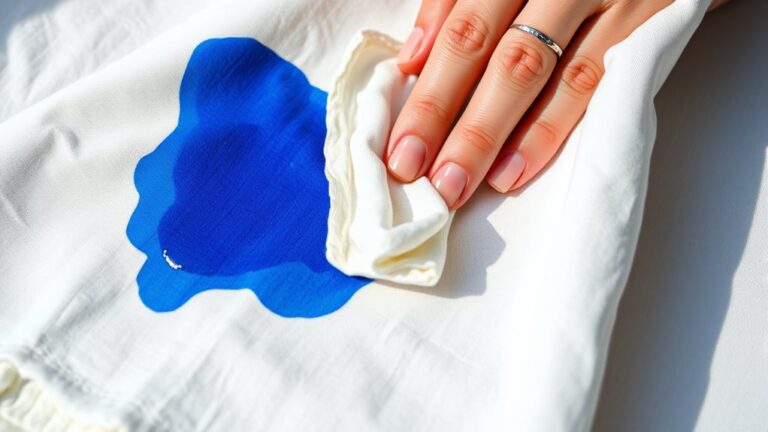
Immediately blot the ink spill with a dry, soft cloth to absorb as much as possible. Avoid rubbing or scrubbing, as this can spread the ink and damage the surface.
Use gentle dabbing techniques to lift the ink without pushing it further into the fibers. Timing is critical—try to respond within the first few minutes for the best results.
Remember, swift action can save your leather from permanent damage and make cleaning much easier.
| Time Sensitivity | Action to Take | Result |
|---|---|---|
| Immediate | Blot with dry cloth | Prevents ink from soaking in |
| Within minutes | Gentle dabbing | Lifts ink without spreading |
| After minutes | Seek professional cleaning if needed | Protects leather integrity |
How to Test Cleaning Solutions Safely on Leather
Before applying any cleaning solution to your leather couch, it’s important to test it in a discreet spot first. This helps ensure the cleaner won’t cause damage or discoloration.
Use a clean cloth or cotton swab to gently apply a small amount of the solution to an inconspicuous area. Think of a hidden corner of your sofa that’s not exposed to sunlight or frequent use.
Wait 10-15 minutes to see if there’s any change in color, texture, or finish. Recording the results helps you decide if it’s safe to proceed with cleaning.
Always steer clear of harsh chemicals and abrasive tools. Stick to gentle testing to keep your leather looking its best.
How to Remove Fresh Ink Stains Using Gentle Methods
Act quickly when you notice a fresh ink stain on your leather couch to prevent it from setting deeper into the material.
Act swiftly to address ink stains on your leather couch and prevent permanent damage.
To remove ink stains using gentle methods, start by blotting the stain with a dry, soft cloth to absorb excess ink and stop it from spreading.
Perform a spot test with a small amount of mild soap and water on an inconspicuous area to verify the leather responds well.
Gently dab the stain with a cloth dampened with a mixture of warm water and a few drops of mild dish soap, working from the outside toward the center.
Avoid rubbing or scrubbing, as this can push the ink further into the leather fibers.
Finish by applying a leather conditioner to keep the leather soft and moisturized.
How to Use Rubbing Alcohol or Vinegar to Remove Ink From Leather
To remove ink with rubbing alcohol or vinegar, you’ll want to dilute the vinegar with water in a 1:1 ratio. Carefully apply the alcohol with a soft cloth.
It’s really important to test this in an inconspicuous spot first to avoid any damage. Then, gently lift the stain without oversaturating the leather.
After you’re done, conditioning the leather helps restore moisture and keeps it looking its best.
Dilution and Application Method
Diluting rubbing alcohol or vinegar with water makes sure the solution is gentle enough to avoid damaging your leather couch, while still lifting the ink stain effectively. To do this, mix equal parts water and rubbing alcohol or vinegar.
Use a soft cloth or cotton swab soaked in this diluted solution. Gently dab around the ink stain, avoiding rubbing too hard. Light tapping helps lift the ink without harming the leather.
Be careful not to oversaturate the area, as too much liquid can damage the surface. Afterward, wipe the spot with a clean, dry cloth to remove any leftover solution.
This method helps lift the ink without causing harm. Keeping the area dry and clean will help protect your leather and keep it looking good.
Effectiveness and Safety Measures
Using rubbing alcohol or vinegar can be effective for removing ink stains from leather, but it’s important to use these solutions carefully to avoid damage. Always do a spot test in an inconspicuous area before applying directly to the stain.
Rubbing alcohol can break down ink dyes well, but use it sparingly to prevent excessive drying or cracking. When using vinegar, dilute it with water in a 1:1 ratio to make sure the cleaning process is gentle and minimizes discoloration.
After treating the stain, wipe the area immediately with a clean, damp cloth to remove any residue. Then, applying a leather conditioner helps restore moisture and keeps the leather soft and durable.
Post-Cleaning Conditioning
After you’ve successfully removed the ink stain, it’s important to restore the leather’s moisture and keep it supple. Gently wipe the area with a clean, damp cloth to remove any residue from rubbing alcohol or vinegar.
Next, apply a leather conditioner to replenish moisture and prevent drying or cracking. Use a soft cloth to work the conditioner into the leather in circular motions, making sure to cover the entire area evenly.
Let the conditioner absorb for at least 10-15 minutes. Then, buff off any excess with a dry, clean cloth. Regular conditioning after cleaning helps maintain the leather’s natural softness and protects against future stains.
To visualize:
- Soft cloth gently working in circular motions
- Leather looking nourished and even-toned
- Leather fully moisturized and protected from drying
How to Tackle Persistent Ink Stains With Hairspray or Specialized Products
When dealing with stubborn ink stains on your leather couch, applying hairspray or specialized ink removal products can be effective options. Hairspray works by dissolving fresh ink stains on leather, breaking down the ink’s chemical bonds. Spray it close to the stain, let it sit for 3-5 minutes, then gently blot with a clean cloth. Avoid rubbing to prevent spreading the ink.
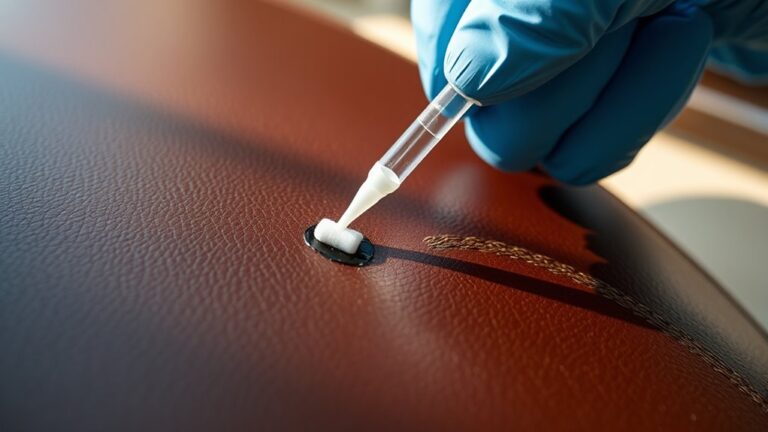
For more reliable results, use specialized products formulated for leather, such as leather-specific erasers or gels. These are often gentler and more effective. Always test hairspray or these products on an inconspicuous area first to prevent discoloration or damage.
After treatment, follow up with a leather conditioner to restore moisture and keep your leather couch soft and protected.
Common Mistakes That Can Damage Leather When Removing Ink
Many people make the mistake of rubbing or scrubbing ink stains too aggressively, which can spread the ink and damage the leather’s surface.
Using harsh chemicals like acetone or strong solvents can strip the finish and cause permanent discoloration.
Ignoring your leather’s specific type or failing to test cleaning agents first can lead to unexpected damage or color changes.
Rubbing Stains Aggressively
Rubbing an ink stain aggressively might seem like a quick fix, but it can actually do more harm than good. When you rub too hard, you risk scratching, peeling, or losing the leather’s finish.
Excessive pressure can push ink deeper into the material, making it harder to remove. Abrasive scrubbing can strip away the leather’s protective coating, leaving it vulnerable to future damage.
Plus, aggressive rubbing can cause the leather to stretch or warp over time, degrading its appearance. To visualize this, consider:
- Scratches and peeling on the surface
- Ink pushed into the leather fibers
- Discoloration or uneven fading
Instead, gentle, controlled motions are key to safely tackling ink stains without damaging your leather couch.
Using Harsh Chemicals
Using harsh chemicals like acetone or strong solvents might seem effective for ink removal, but they can cause serious damage to your leather couch. These substances can strip away the leather’s finish and cause irreversible harm.
Applying excessive rubbing or aggressive scrubbing with harsh chemicals makes things worse. It can embed ink deeper into the leather, making stains even harder to remove. Household cleaners like Goo Gone or Krud Kutter are too aggressive and can cause discoloration or surface damage.
Products such as hairspray or nail polish remover contain chemicals that weaken the leather’s protective layer. Over time, this can lead to cracks and dryness. Always perform a spot test before using any chemical agents to avoid unexpected damage.
| Chemical | Potential Damage |
|---|---|
| Acetone | Damage leather, discoloration |
| Goo Gone | Surface deterioration |
| Nail polish remover | Cracks, dryness |
| Strong solvents | Irreversible damage |
| Household cleaners | Discoloration |
Ignoring Leather Type
Ignoring the specific type of leather you’re cleaning can lead to serious damage. Different leather types, like aniline and pigmented, react differently to cleaning methods. Using the wrong approach can damage the finish or make stains worse.
For example, applying harsh chemicals on sensitive leather such as suede or aniline can strip the finish or discolor the surface. Using abrasive tools risks damaging delicate textures and causing irreversible harm.
Not identifying the leather finish may lead to using overly aggressive solvents, which can cause cracking, dryness, or loss of softness. Choosing the wrong cleaning method can ruin your leather permanently.
Always know your leather type before stain removal to keep its look and integrity intact. Proper care ensures your leather stays beautiful and durable for years to come.
How to Condition Leather After Cleaning to Keep It Soft and Flexible
Once you’ve cleaned your leather couch, applying a high-quality leather conditioner is key to restoring moisture and keeping the material soft and flexible. A good conditioner helps prevent drying and cracking by replenishing lost hydration.
Use a soft cloth to evenly spread the leather conditioner across the entire surface, making sure all areas are treated thoroughly. Let the conditioner soak in for about 10-15 minutes so it can fully absorb.
After the conditioner has soaked in, buff off any excess to create a smooth, even finish. Regular conditioning every 3 to 6 months is important to keep your leather soft, supple, and flexible.
Be sure to choose a conditioner that’s suitable for your specific type of leather to avoid any damage or discoloration.
When to Seek Professional Leather Cleaning Help
If you notice that the ink stain on your leather couch is old, stubborn, or has penetrated deeply, it’s best to seek professional cleaning help. DIY methods can sometimes make stains worse or damage the leather, so it’s wise to consult experts.
Professional cleaners have specialized equipment and leather-safe solutions that reduce the risk of damage during stain removal. Consider reaching out if the stain refuses to lift after multiple attempts or if the leather shows signs of damage or discoloration.
You should also seek help if you’re unsure about the leather type or finish. Professional cleaning ensures proper care, helps remove stubborn stains effectively, and prevents further damage.
Addressing these issues early with experts helps preserve your furniture’s appearance and prolongs its lifespan.
Tips to Prevent Future Ink Stains on Your Leather Furniture
To keep your leather furniture free of ink stains, taking proactive steps can make a big difference. Start by regularly applying a leather protector or sealant, which creates a barrier to prevent ink stains and other spills from penetrating the surface.
Keep pens, markers, and other ink-containing objects away from your leather furniture to reduce accidental spills. Educate everyone in your household, especially children, about handling ink products carefully around your furniture.
If an ink spill occurs, immediately blot it with a dry cloth to minimize absorption. Moreover, periodically clean and condition your leather couch to maintain its protective finish, preventing ink from seeping in deeply.
These stain prevention strategies can help keep your leather furniture looking its best for years to come.
Final Tips for Maintaining Leather’s Look and Durability
Maintaining your leather couch’s appearance and durability requires consistent care and attention. Regularly applying a high-quality leather conditioner keeps the leather soft, supple, and resistant to stains. Keep up with this routine to ensure your couch stays looking its best.
Protect it from direct sunlight and heat sources, which can cause cracking and finish loss. Using protective treatments like leather sealants creates a barrier against ink stains and spills, helping to keep your furniture looking fresh.
If a spill occurs, clean it immediately with a soft, dry cloth to prevent the stain from setting. Schedule professional deep cleaning at least once a year to refresh the leather and extend its lifespan.
To make things easier, keep leather conditioned with quality products and apply protective treatments regularly. Following these simple steps guarantees your leather couch remains beautiful and durable for years to come.
Frequently Asked Questions
How to Remove Old Ink Stains From a Leather Sofa?
To remove old ink stains from your leather sofa, start by testing a gentle cleaner like diluted vinegar or a leather-specific ink remover on a hidden spot.
Gently dab the stain with a soft cloth, avoiding rubbing. If the stain persists, consider using a solvent-based product carefully or seek professional cleaning.
Always follow up with a leather conditioner to keep your sofa moisturized and protected.
Does Dawn Dish Soap Remove Ink?
Dawn dish soap isn’t specifically designed to remove ink, so it’s not likely to do a great job. It might lift some surface stains if you gently dab with a soft cloth, but ink that’s soaked in will probably need stronger cleaning agents.
Always test a small, hidden area first to avoid any damage. For the best results, consider using a leather cleaner or an ink remover made specifically for leather surfaces.
How Can I Remove Ballpoint Ink From Leather?
To remove ballpoint ink from leather, start by blotting the stain with a dry, soft cloth to prevent it from spreading.
Dampen a cotton swab with rubbing alcohol or an alcohol-based cleaner, then gently dab the ink, avoiding over-saturation.
Test the solution on a hidden area first to make sure it doesn’t damage the leather.
Once the ink lifts, clean the spot with mild soap and water, then dry thoroughly.
Finally, apply a leather conditioner to keep your leather moisturized and looking good.
Will a Magic Eraser Remove Ink From Leather?
A Magic Eraser might seem like a quick fix, but it’s like using a sledgehammer on delicate glass—effective but risky. It can remove ink temporarily, but it also strips the leather’s finish and causes damage.
Instead, try specialized leather cleaners or gentle methods first. If you must use a Magic Eraser, do so sparingly and test on a hidden area to avoid permanent harm.
Conclusion
Now that you know the secrets to banishing ink stains, your leather couch will shine brighter than the sun! With these tips, you’ll turn a messy mishap into a mere memory faster than you can say “ink disaster.”
Bid farewell to stubborn stains and hello to a pristine, envy-worthy leather masterpiece. Your furniture will thank you, your friends will marvel, and you’ll feel like the superhero of home maintenance—capable of conquering any stain in a flash.
Using the right cleaning methods for ink stains on leather is key. With a little patience and the right supplies, you’ll have your couch looking brand new in no time.